
Bio-Plastics
– Plant-Based
— Algae Compound
Database
Material Connexion
MC 7339-01
Manufacturer
Algix, LLC
Mississippi, USA
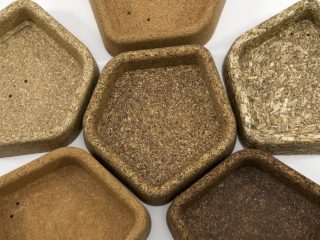
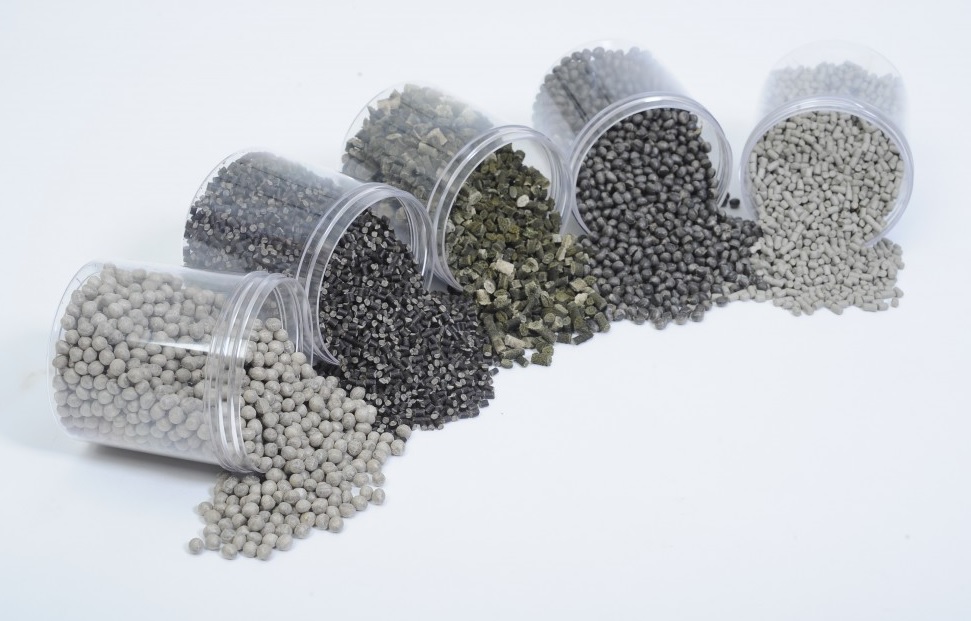
Resin compound composed of aquatic algae biomass. In comparison to conventional resins, the use of renewably grown algae biomass dramatically reduces the environmental impact of plastics by reducing the amount of fossil-fuel content and by imparting the plastic with biodegradability. The algae are collected from mostly catfish farms or environmental remediation services that have an overabundance of the plant. Once it is harvested, the algae is dried, then made into a biomass with very little water. The algae are then micronized into a powder to incorporate into plastic. The algae/polymer mixture is produced through a twin-screw extrusion process that allows the manufacturer to blend 50% algae powder with 50% plastic material (polyethylene, PE; polypropylene, PP; ethylene vinyl acetate, EVA; polyactic acid, PLA and polyhydroxyalkanoate, PHA). It may be processed through any number processes including injection molding, sheet extrusion, blown film, cast film, roto-molding, etc. The material is available in pellet form and sold by the pound. The natural color of the algae is shades of brown, green or black. If color is desired, they will be “earthly” pastel tones, lacking in color intensity unless it is a multilayer application. Custom composite formulations are offered to meet most application needs. The material meets or passes the following testing standards: ASTM D6400 – Biodegradation (pass), ASTM D4329 – UV Exposure of plastics (pass), ASTM D256 – Izod Impact Strength Test (meet), ASTM D638 – Tensile Testing (meet). Applications include disposable packaging containers for dry and liquid goods, consumer goods, agricultural & horticultural films and products and other novel material applications.
Algix – Harnessing the Potential of Algae BLOOMS
The Hunt for Algae
01:27