

〝As it is strongly associated with sky and water, Blue is perceived as a constant in our lives.〞



CMTEL Blog /
Trends in Blue:




Hue
/ Overview
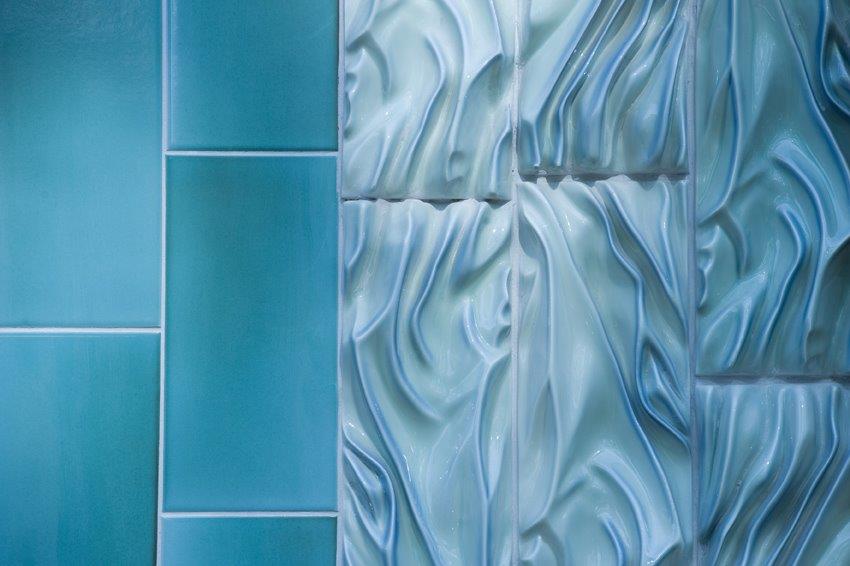
As it is strongly associated with sky and water, Blue is perceived as a constant in our lives.
The ocean never disappeared and the sky has never fallen. Because of this association, blue is seen as reliable, trustworthy, dependable and committed; it inspires confidence, making it ideal for web sites, packaging, products or corporate identities where those messages are important. Notice how many banks and financial institutions use blue backgrounds in ads as well as decor.
It is also restful. In the presence of a blue environment, we feel calm. Humans are soothed and replenish when they view blue and there is some evidence that when blue enters our line of vision, the brain sends out chemical signals that work as a tranquilizer. For this reason, many hospitals now use blue on the surgeons, nurses, and walls of the operating room. Blue is an excellent choice for areas demanding mental concentration or for products and environments that invite concentration or relaxing “meditative” moods.
Eiseman, Leatrice – Pantone Guide to Communicating with Color; Blue (pp 38-40).

Blue Color Schemes

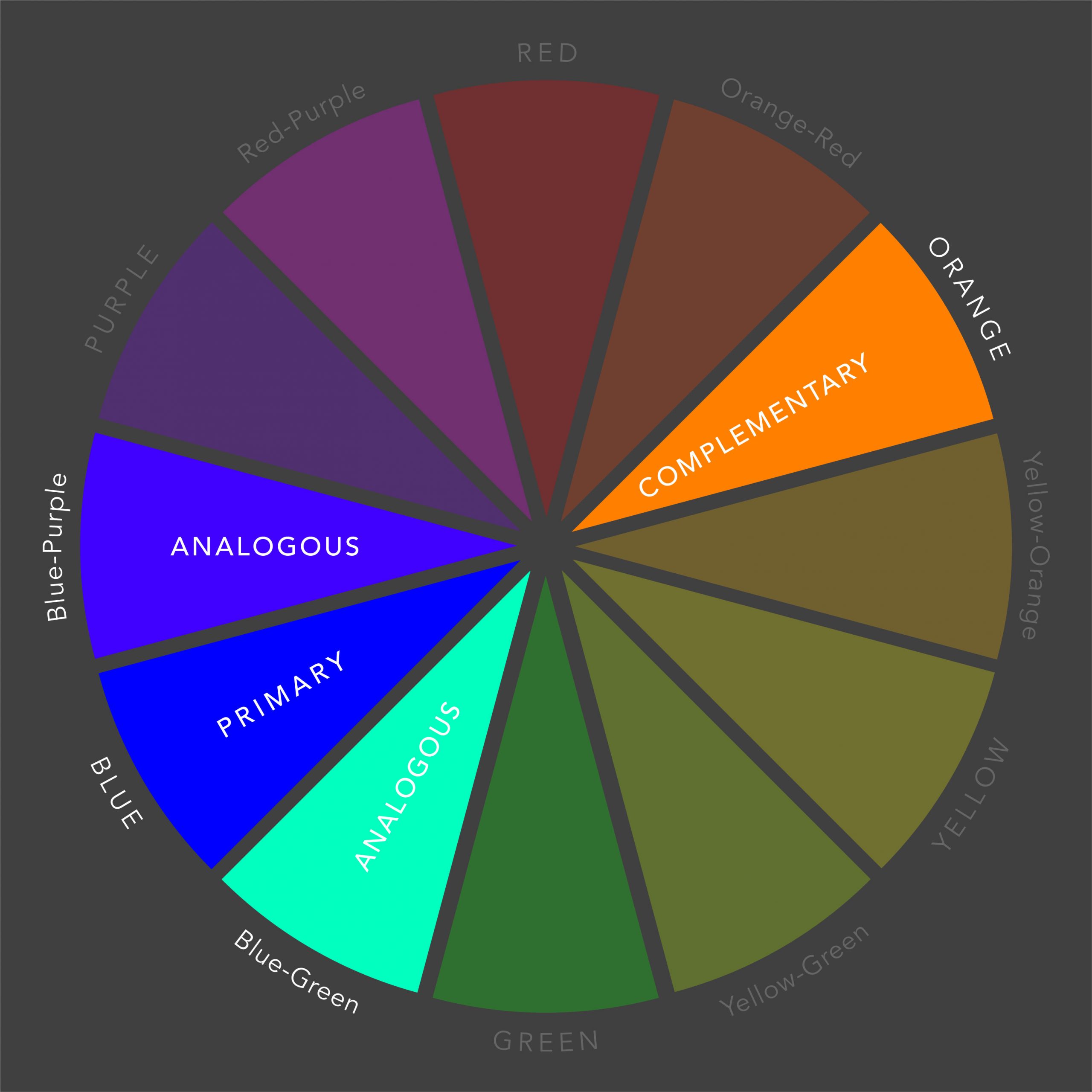
Monochromatic
Use Blue in a variety of values.

Analogous
Use Blue’s neighboring color families.

Complementary
Use Blue’s opposing color family.
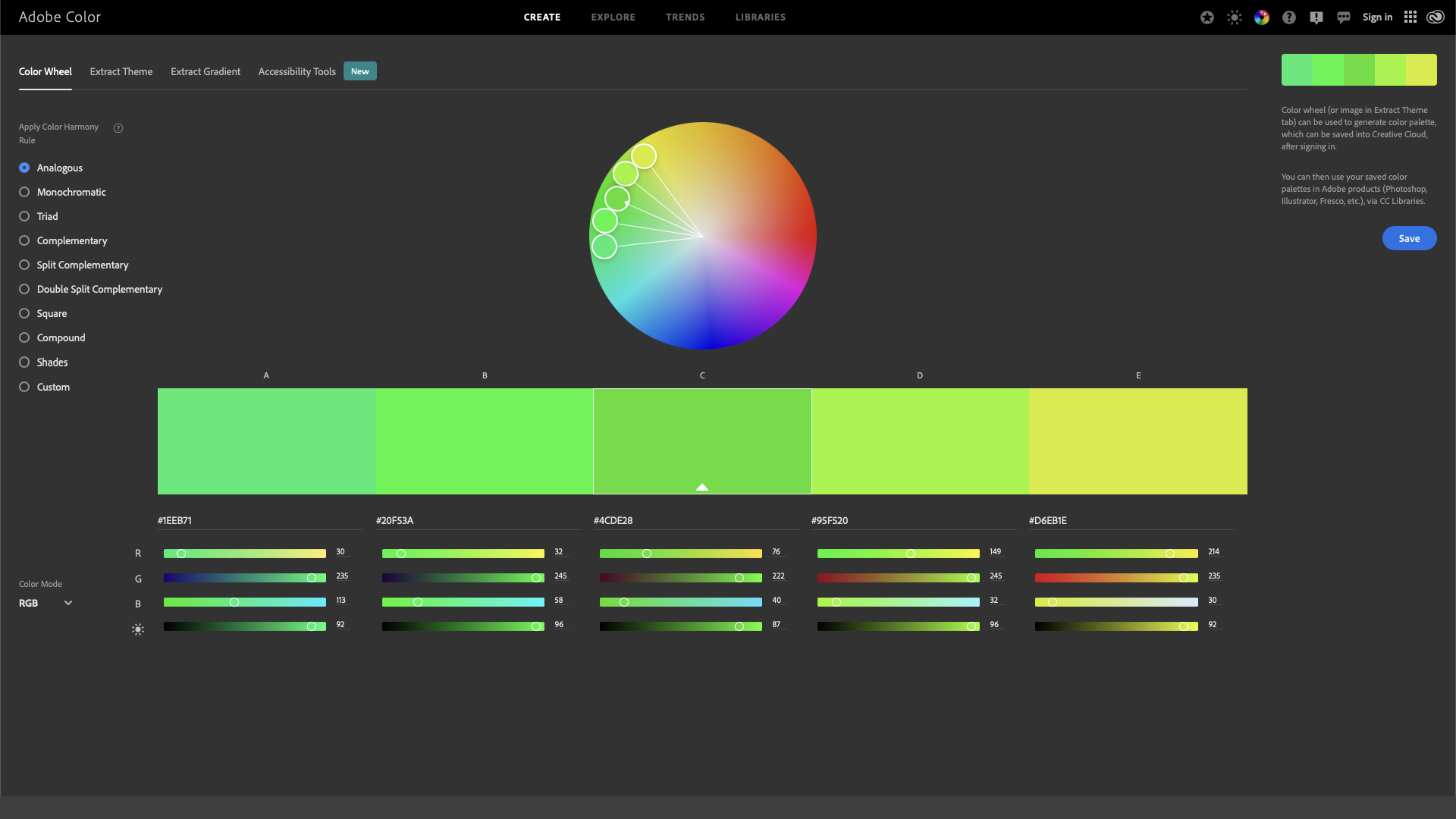
Adobe’s Color Wheel (or image in Extract Theme tab) can be used to generate color palette, which can be saved into Creative Cloud, after signing in. You can then use your saved color palettes in Adobe products (Photoshop, Illustrator, Fresco, etc.), via CC Libraries.
Further References >
Pastoureau, Michel – Blue: The history of a color.
St. Clair, Kassia – The Secret lives of color; Blue (pp 178-205).
Varichon, Anne – Colors: What they mean and how to make them; Blue (pp 156-187).
Pantone – Color Finder
Finishes
/ By Material Family
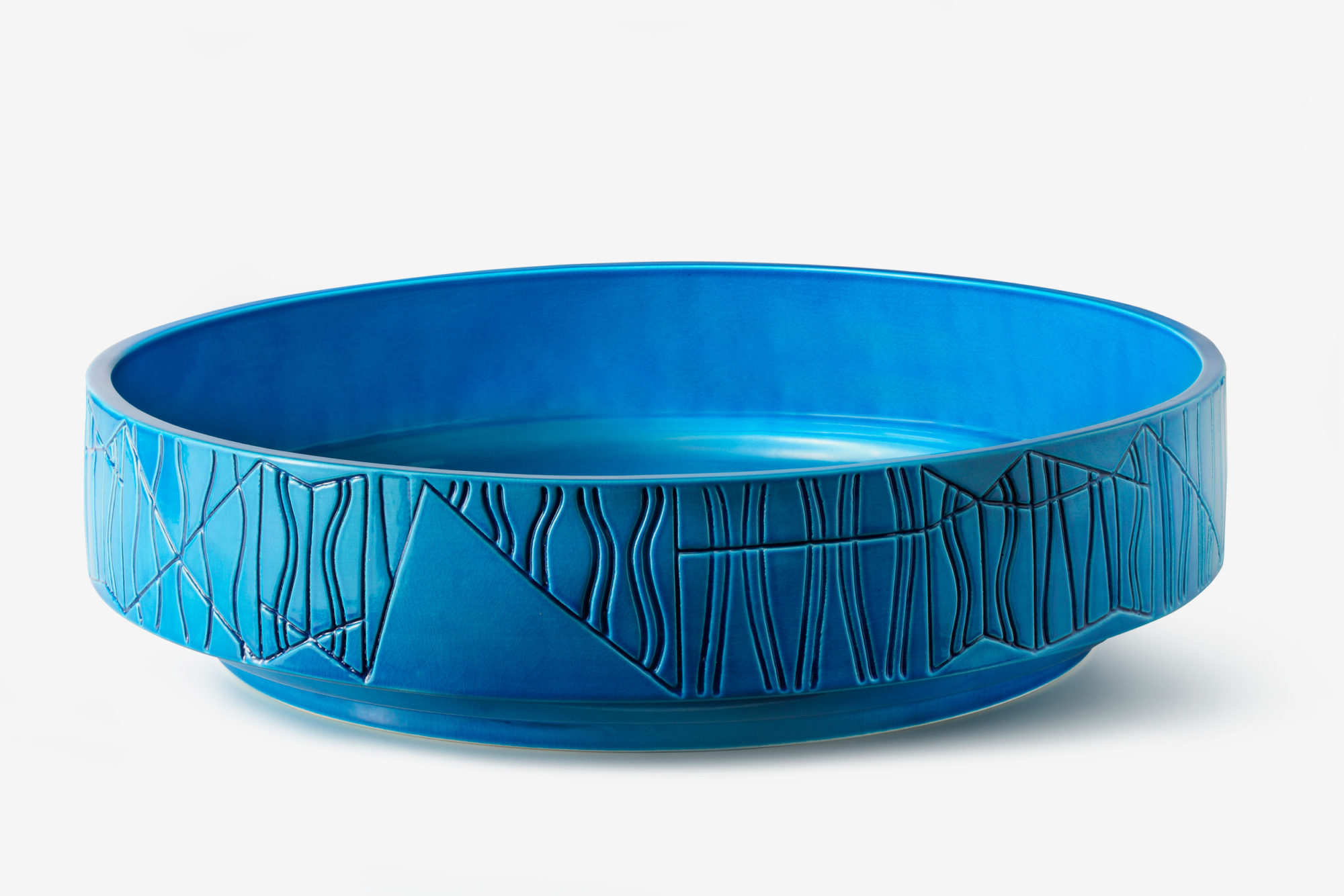
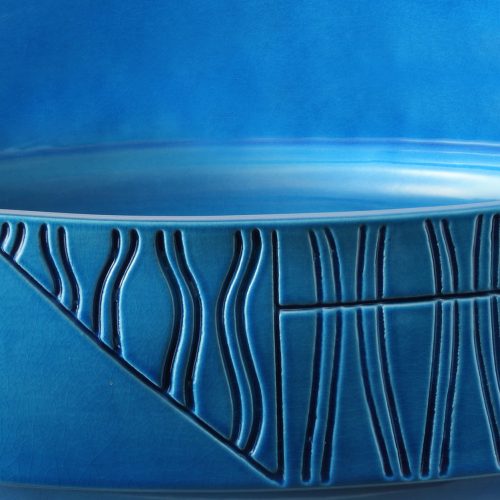
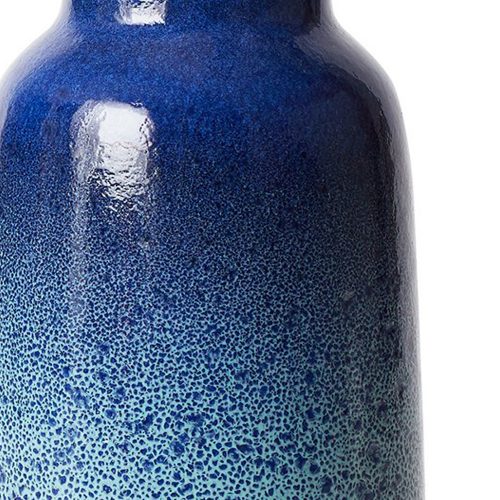
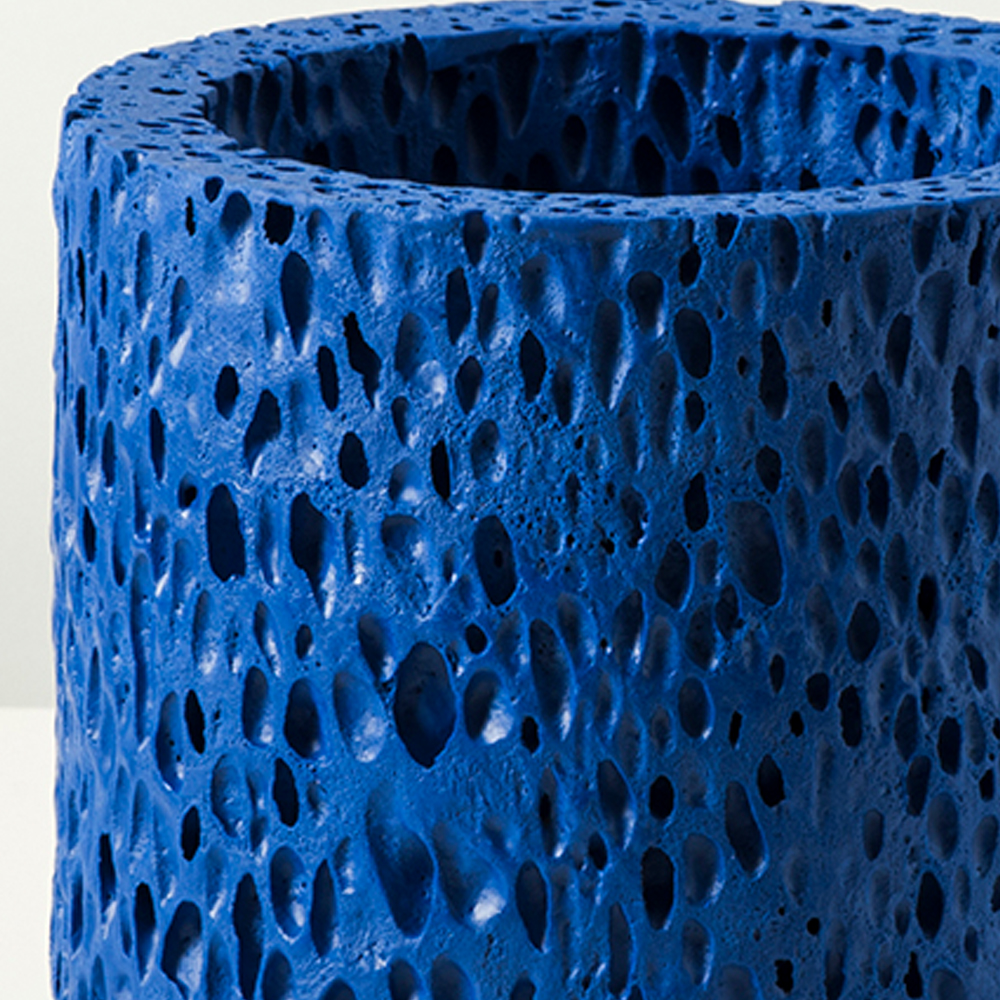
Ceramic
Metal carbonates/oxides are added to a glaze or clay and produce color when fired.
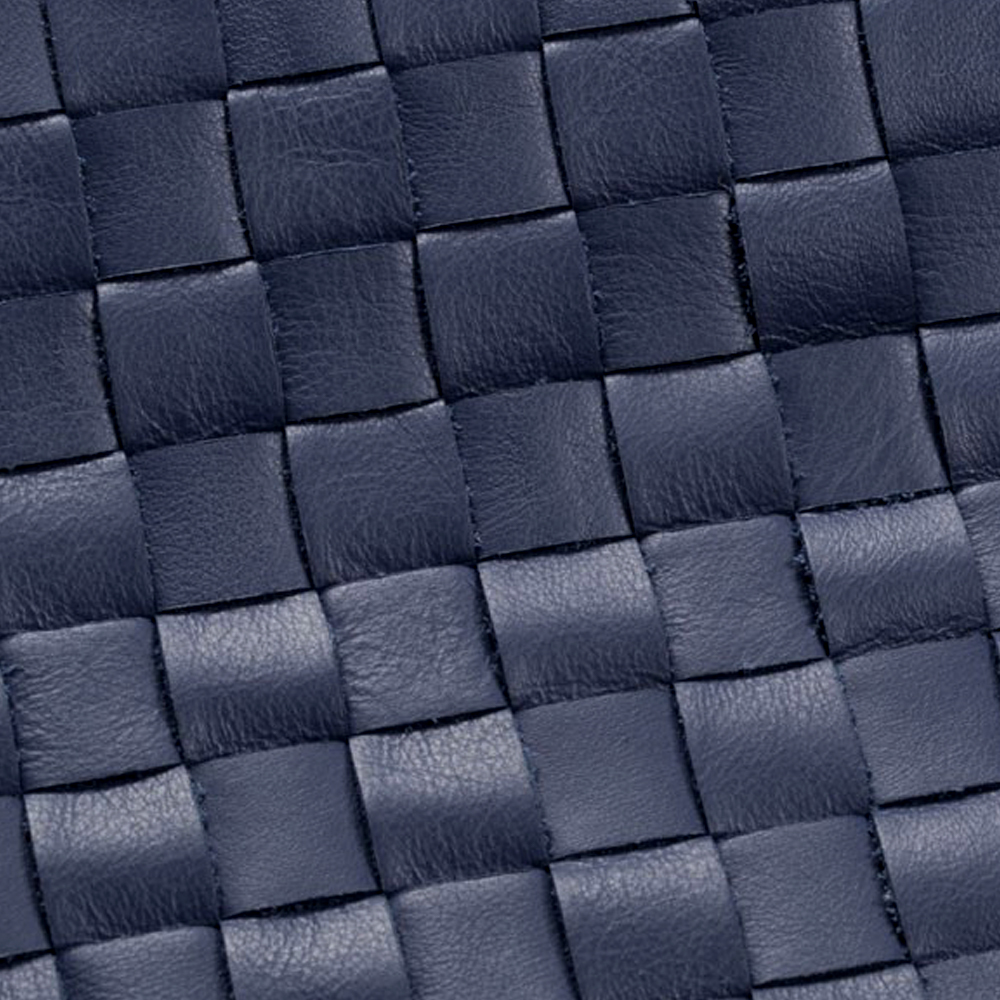
Fabric
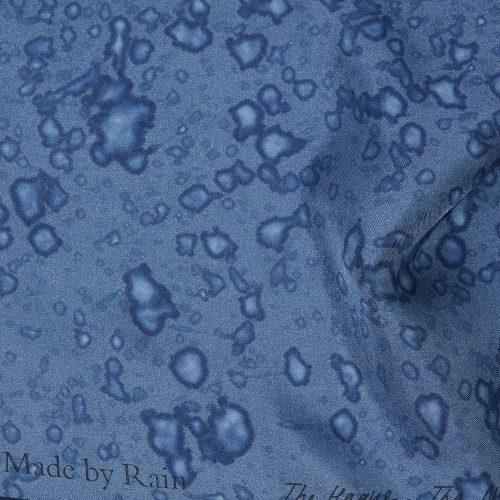
Dyes are soluble colored compounds suspended in a medium. Dyeing colors textile fibers or the surface of a textile.

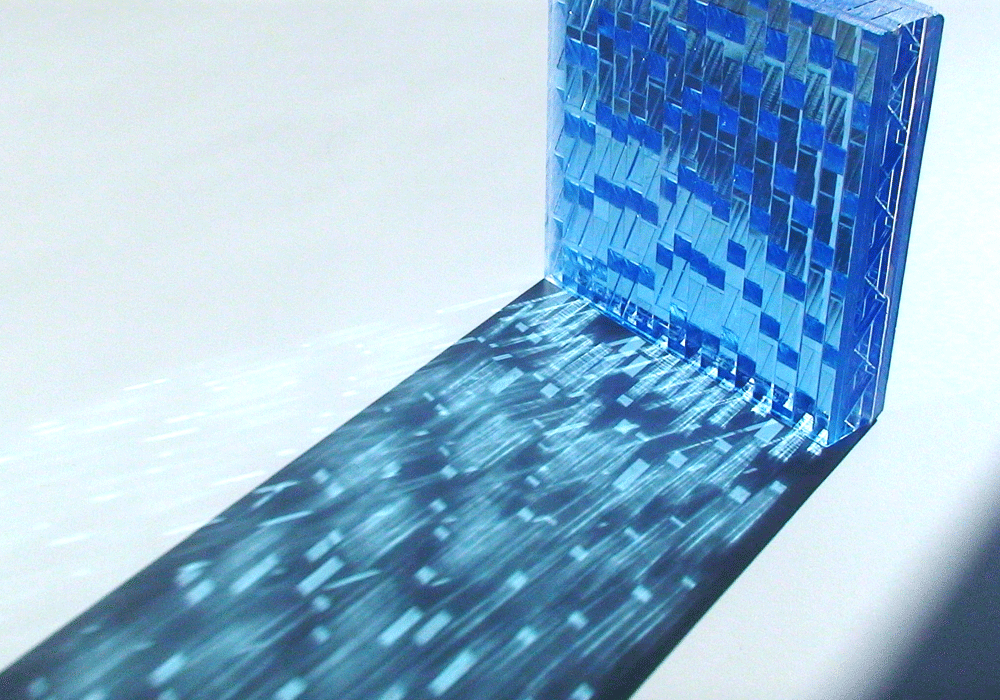
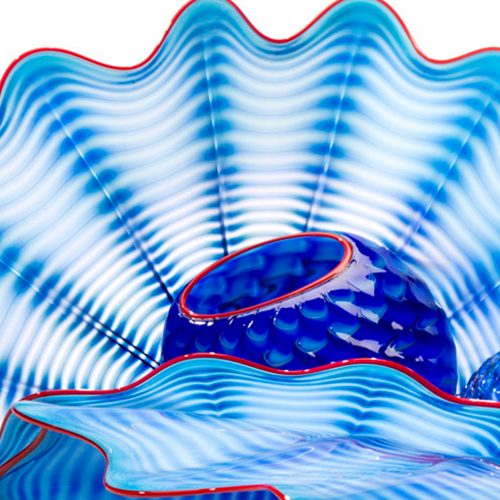
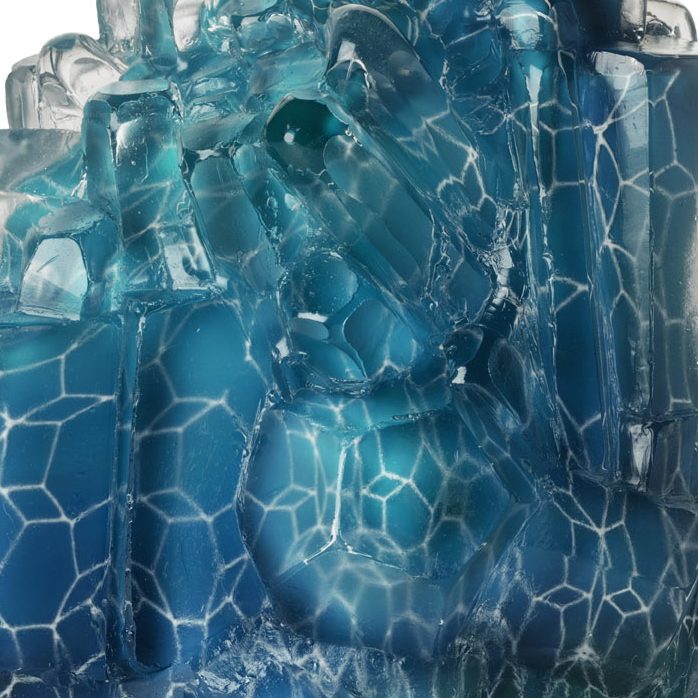
Glass
Glass can be colored with metal/oxide additives, fired enamels, and specialty coatings.

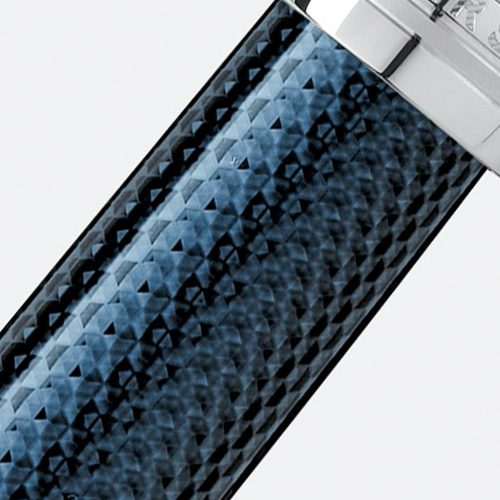
Metal
In addition to their natural hue, metals can be colored through coating processes.


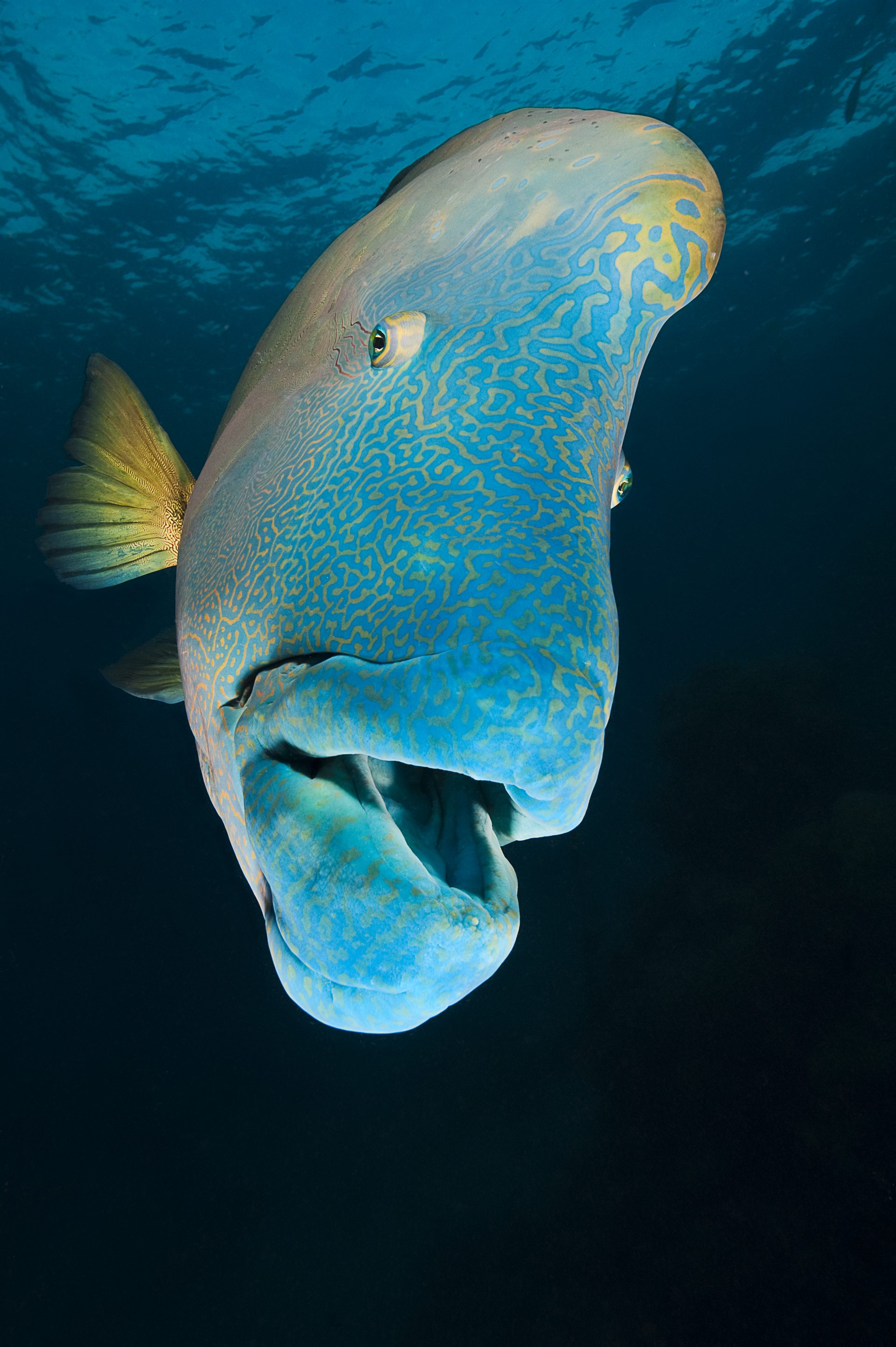
Natural
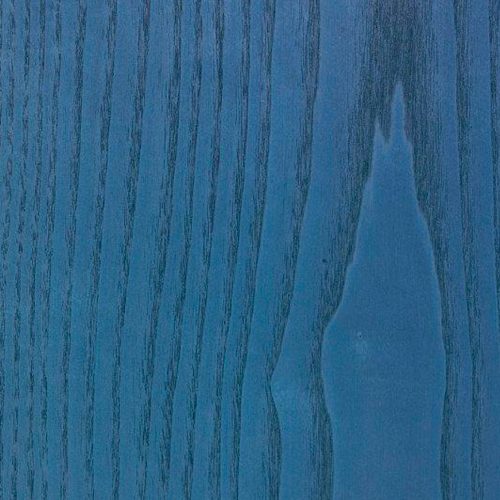
The extensive range of natural materials can be colored with coatings, dyes, and pigments.


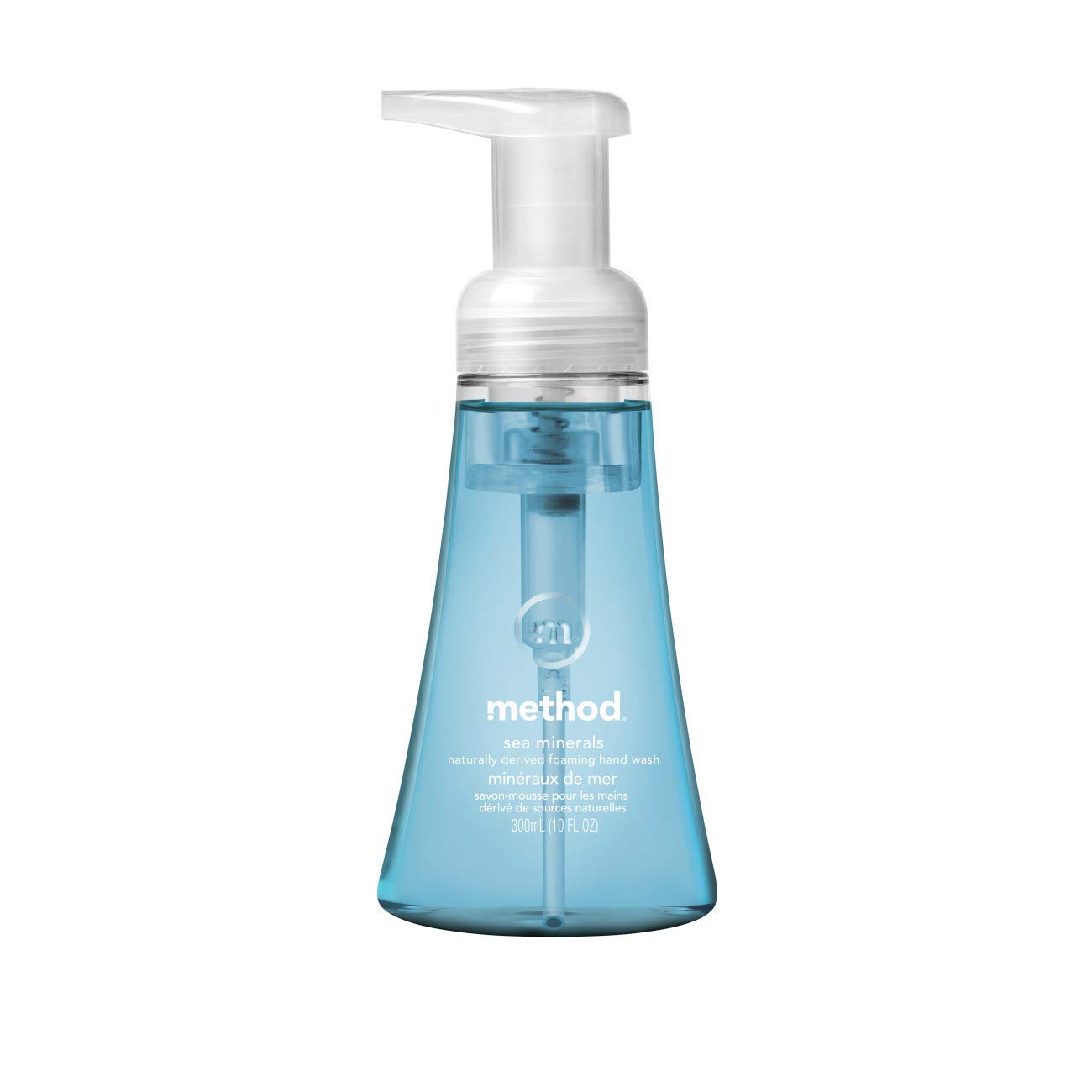
Polymer
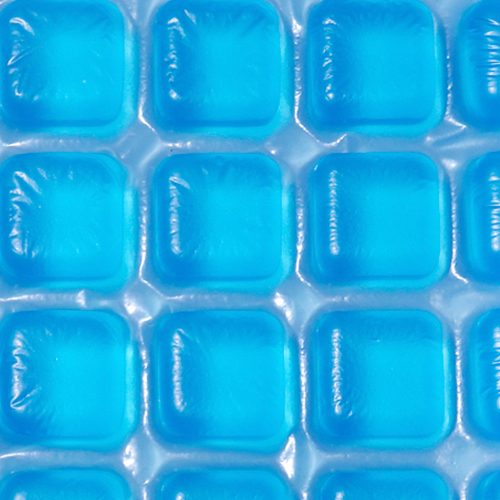
Chemical compounds in the form of dyes or pigments are additives used to color plastics.


Methods
/ Overview
One might think that the rocks, plants, and animals with whom we share the earth could supply us with many coloring agents, but in fact few are suitable. The chlorophyl that gives vegetation its rich green yields, when extracted from the plant, is an unstable tinting agent that fades and disappears in a matter of hours. None of the vibrant colors of the peacock’s striking plumage can be transferred to any other material. Fortunately, nature abounds with a generous supply of other organic and inorganic substances, whose colors are transferrable to a variety of supports. Most natural earths get their color from the mineral iron, which is found abundantly in the earth’s crust in a wide variety of tones: red and yellow ochers, green earths, and hydrated iron oxides of greater or lesser purity.
Pigments are pure colors in powder form, which must be suspended in a medium in which they are insoluble (such as oil) in order to make paint. The size of individual powder particles varies from 0.01 to 1 micron. When greatly magnified in an optical or electronic microscope, individual particles of pigment may be seen suspended across the medium they color.
Cloth (or fabric) is colored with another family of materials: dyes. Dyeing is the coloring of textile fibers or the surface of a textile. Dyes are soluble colored compounds suspended in a medium.
For a long time, applied-research chemists sought to isolate and characterize the principles of dyeing. As they began to succeed, the vast possibilities offered by chemical synthesis overwhelmed the colorant market. Large-scale agricultural production of dye plants gave way to the manufacture of synthetic pigments and dyes.
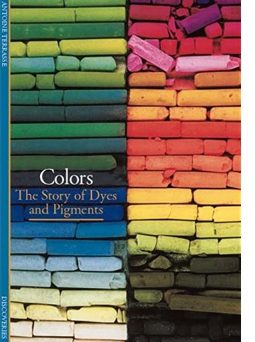
Delamare & Guineau – Colors: The story of dyes and pigments (pp 14-19, 98).
/ Pigments
Egyptian Blue
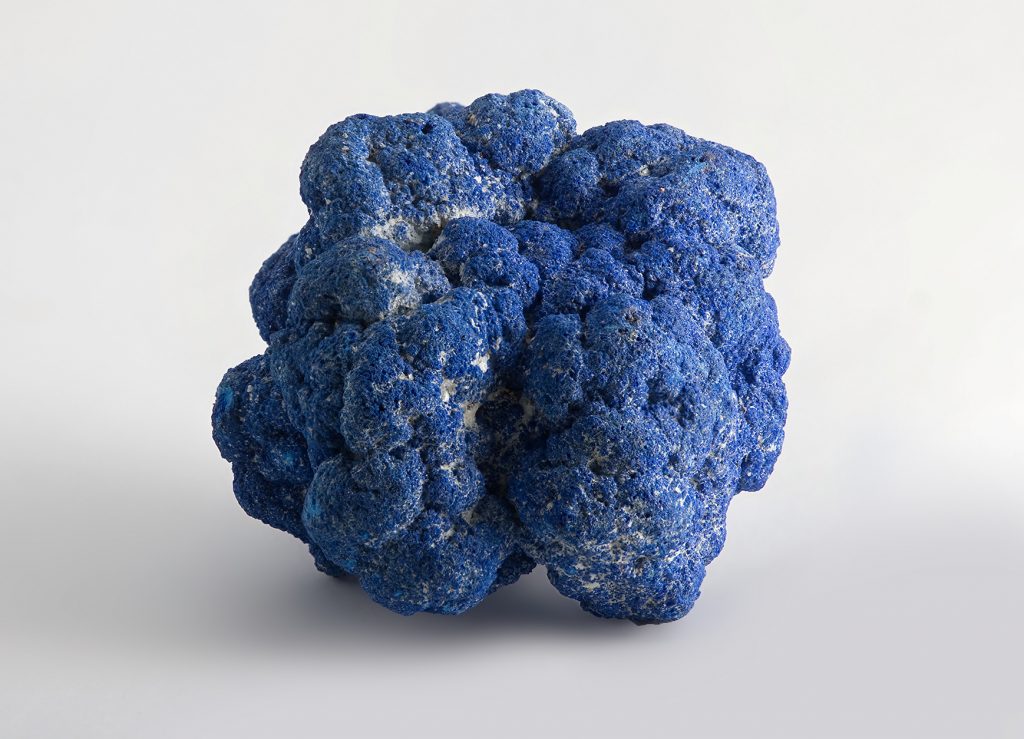
Egyptian Blue, also known as calcium copper silicate, or cuprorivaite, is a pigment that was used in ancient Egypt for thousands of years. Wikipedia
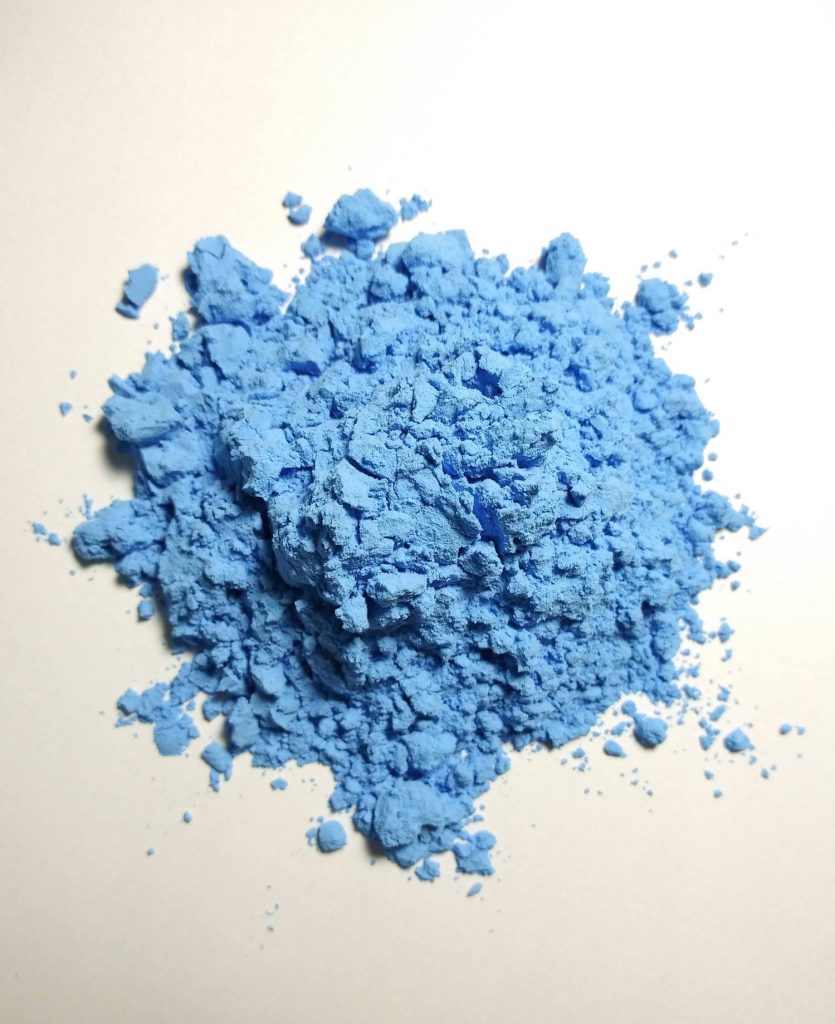
Synthesizing a Pigment
Egyptian Blue
Newfields
01:36
Lapis Lazuli
Lapis Lazuli is a deep-blue metamorphic rock used as a semi-precious stone that has been prized since antiquity for its intense color. Wikipedia
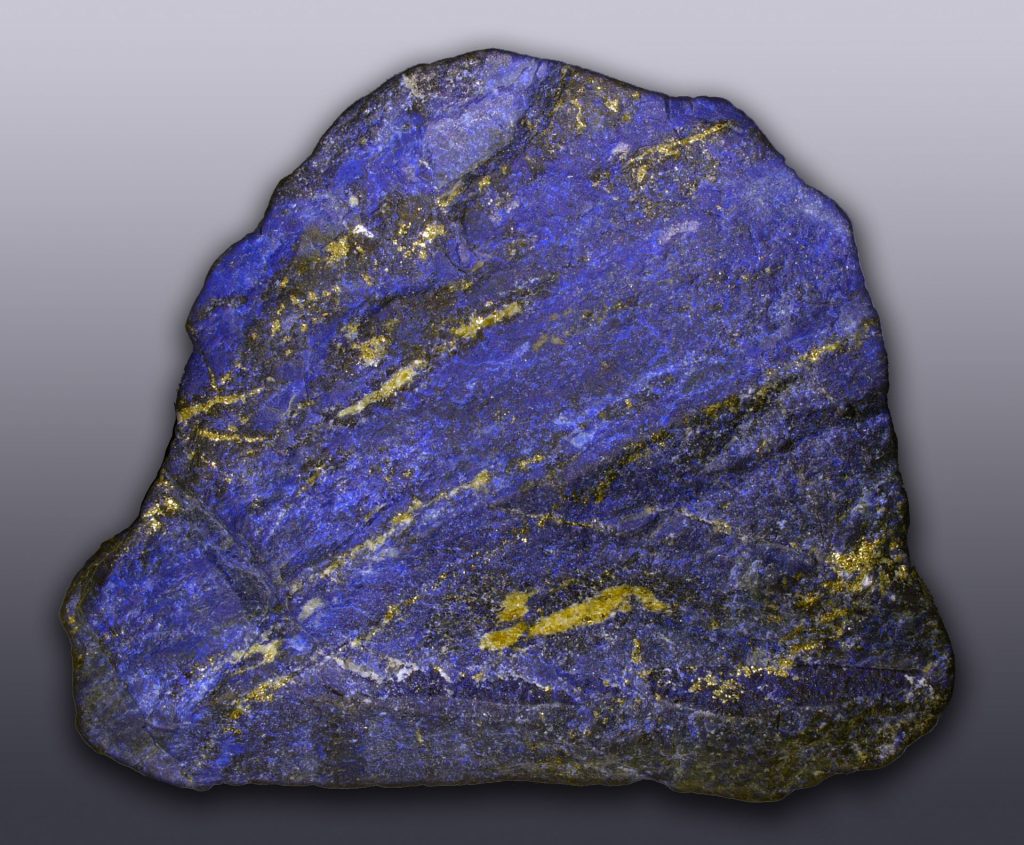
Lazuli
From rock to powder
Master Pigments
12:31