

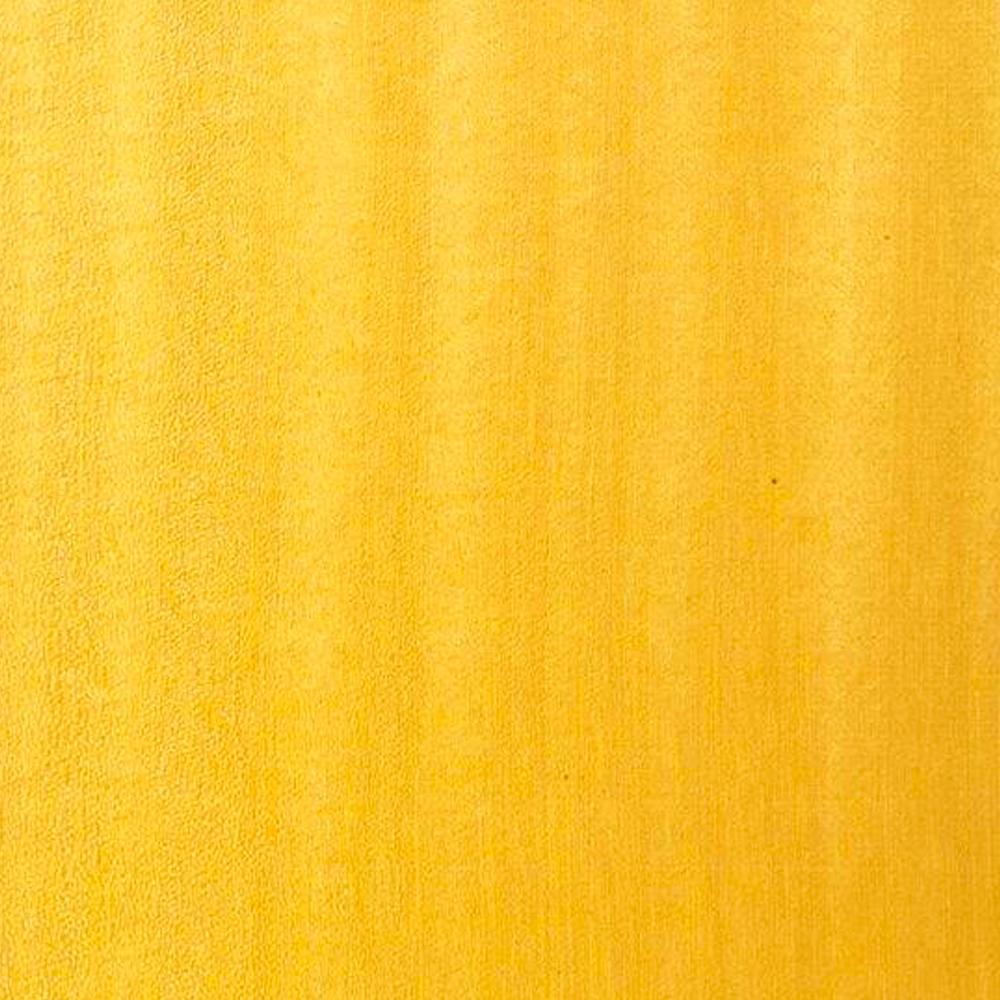
〝In every society, Yellow is equated with the splendor and heat of the sun.〞






CMTEL Blog /
Trends in Yellow:


Hue
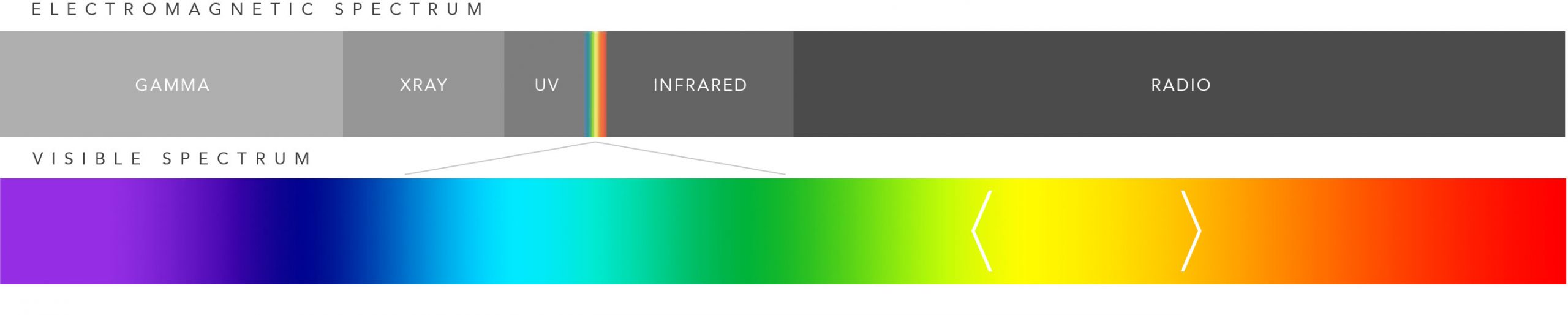
/ Overview
In every society, Yellow is equated with the splendor and heat of the sun.
Yellow emulates sunshine, light and warmth. It is a color identified with imagination and enlightenment, glowing with the intensity of life sunlight itself. In the lightest variations, consumers see yellow as cheerful, mellow and soft to the touch. Bright daffodil yellows are equally cheerful, although more energetic and eye-catching than the paler yellows, an excellent color to use at point of purchase or in displays because the eye “sees” highly reflective yellow before it notices any other color. Unlike other hues that deepen with saturation, yellow becomes brighter when it is highly saturated.
Shades of yellow can be described as delicious such as tasty shades of banana cream or custard are best used, for example, in food service areas, food products, dining areas, or linens for the tabletop. Lemon yellow is also a happy color associated with sweet somewhat citrusy tastes, but it is less sophisticated than the cream yellows.
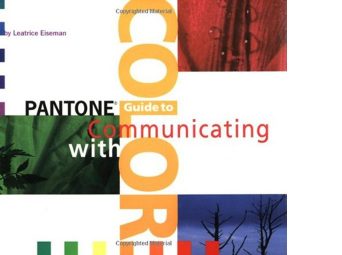
Eiseman, Leatrice – Pantone Guide to Communicating with Color; Yellow (pp 30-32).
Yellow Color Schemes

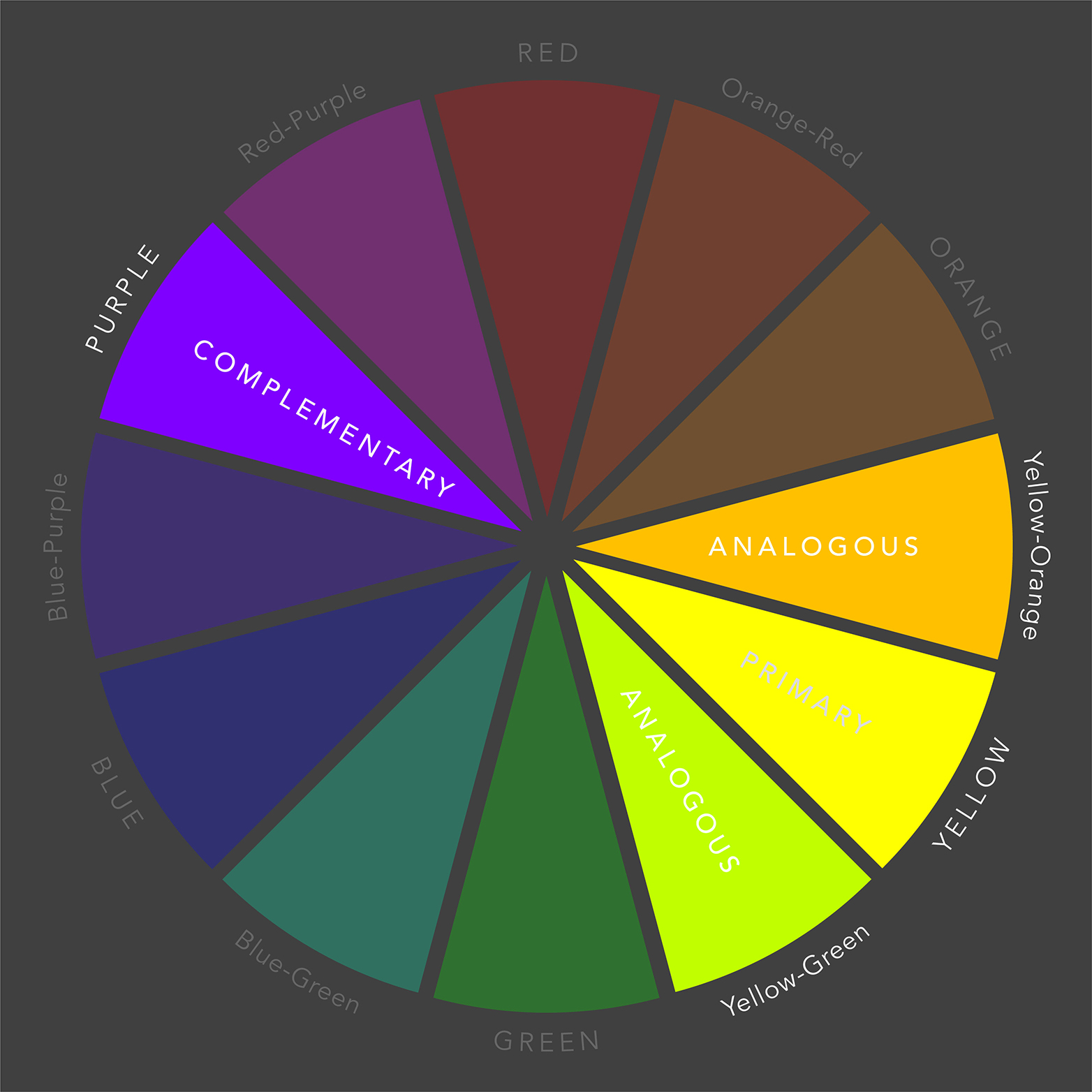
Monochromatic
Use Yellow in a variety of values.

Analogous
Use Yellow’s neighboring color families.

Complementary
Use Yellow’s opposing color family.

Adobe’s Color Wheel (or image in Extract Theme tab) can be used to generate color palette, which can be saved into Creative Cloud, after signing in. You can then use your saved color palettes in Adobe products (Photoshop, Illustrator, Fresco, etc.), via CC Libraries.
Further References >
Pastoureau, Michel – Yellow: The history of a color.
St. Clair, Kassia – The Secret lives of color; Yellow (pp 62-89).
Varichon, Anne – Colors: What they mean and how to make them; Yellow (pp 50-81).
Pantone – Color Finder
Finishes
/ By Material Family
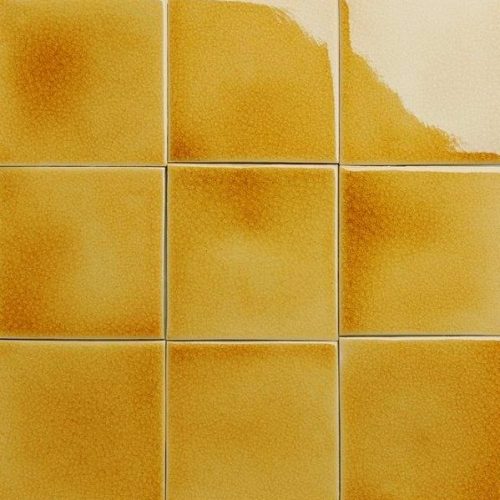
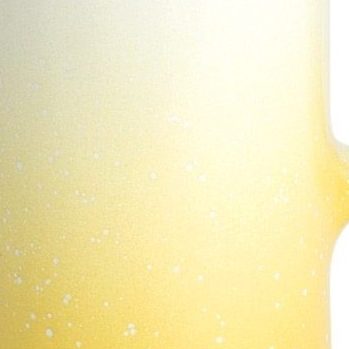
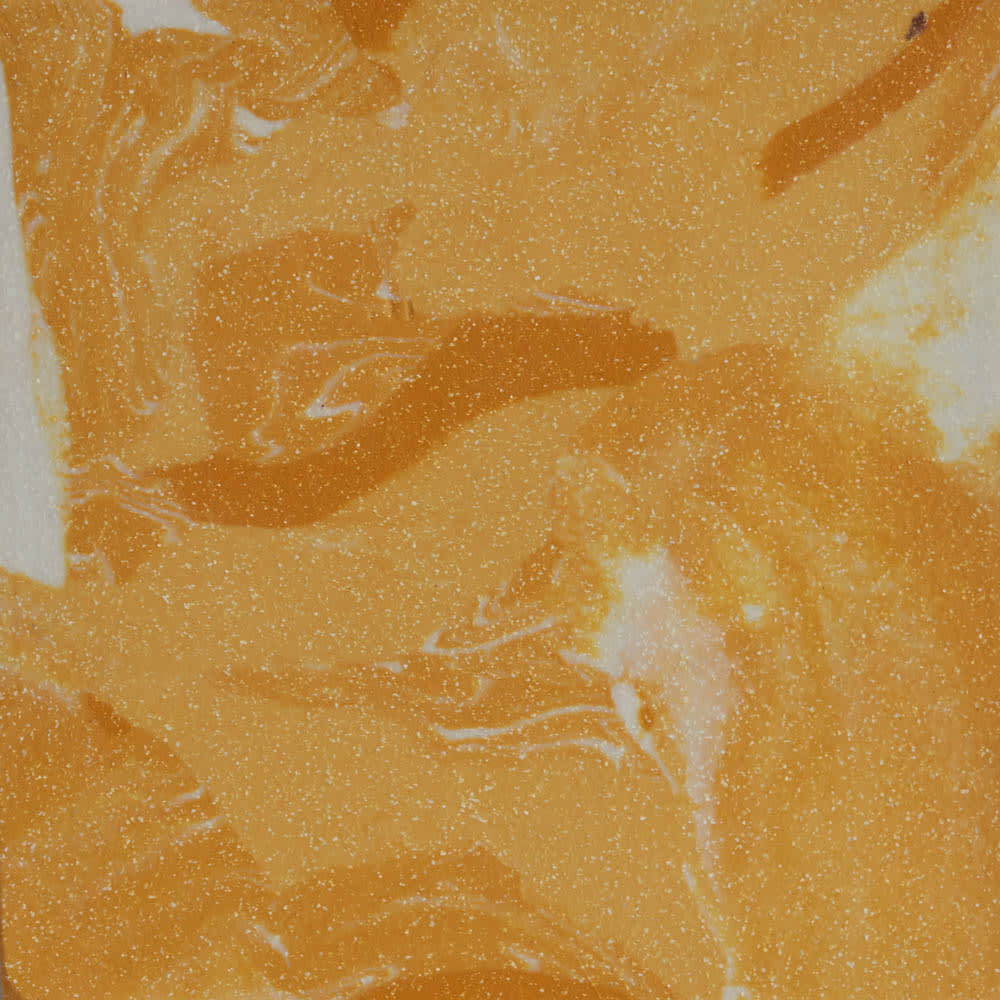
Ceramic
Metal carbonates/oxides are added to a glaze or clay and produce color when fired.
Fabric
Dyes are soluble colored compounds suspended in a medium. Dyeing colors textile fibers or the surface of a textile.



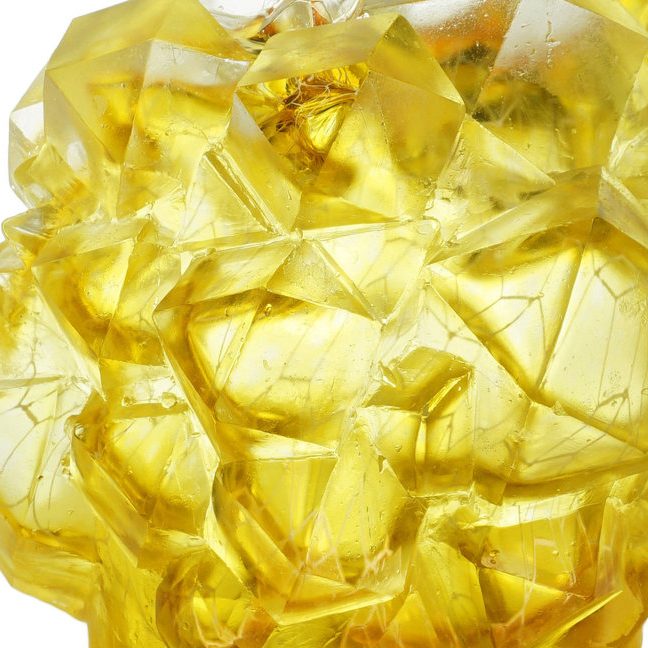
Glass
Glass can be colored with metal/oxide additives, fired enamels, and specialty coatings.


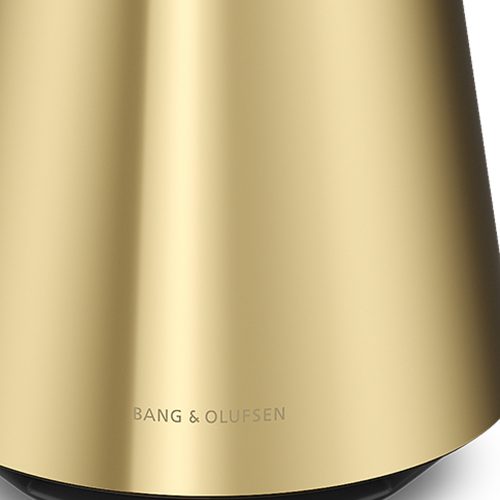
Metal
In addition to their natural hue, metals can be colored through coating processes.


Natural
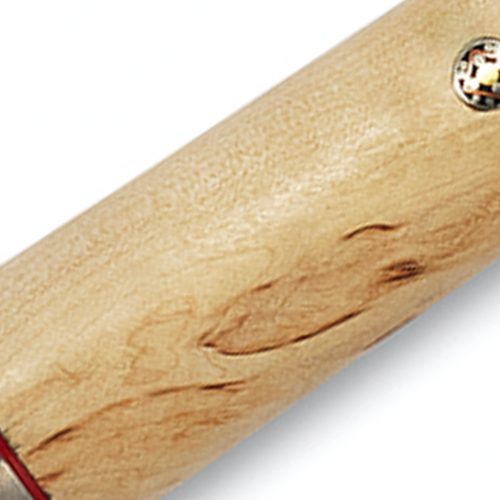
The extensive range of natural materials can be colored with coatings, dyes, and pigments.

Polymer
Chemical compounds in the form of dyes or pigments are additives used to color plastics.



Methods
/ Overview
One might think that the rocks, plants, and animals with whom we share the earth could supply us with many coloring agents, but in fact few are suitable. The chlorophyl that gives vegetation its rich green yields, when extracted from the plant, is an unstable tinting agent that fades and disappears in a matter of hours. None of the vibrant colors of the peacock’s striking plumage can be transferred to any other material. Fortunately, nature abounds with a generous supply of other organic and inorganic substances, whose colors are transferrable to a variety of supports. Most natural earths get their color from the mineral iron, which is found abundantly in the earth’s crust in a wide variety of tones: red and yellow ochers, green earths, and hydrated iron oxides of greater or lesser purity.
Pigments are pure colors in powder form, which must be suspended in a medium in which they are insoluble (such as oil) in order to make paint. The size of individual powder particles varies from 0.01 to 1 micron. When greatly magnified in an optical or electronic microscope, individual particles of pigment may be seen suspended across the medium they color.
Cloth (or fabric) is colored with another family of materials: dyes. Dyeing is the coloring of textile fibers or the surface of a textile. Dyes are soluble colored compounds suspended in a medium.
For a long time, applied-research chemists sought to isolate and characterize the principles of dyeing. As they began to succeed, the vast possibilities offered by chemical synthesis overwhelmed the colorant market. Large-scale agricultural production of dye plants gave way to the manufacture of synthetic pigments and dyes.
Delamare & Guineau – Colors: The story of dyes and pigments (pp 14-19, 98).
/ Pigments
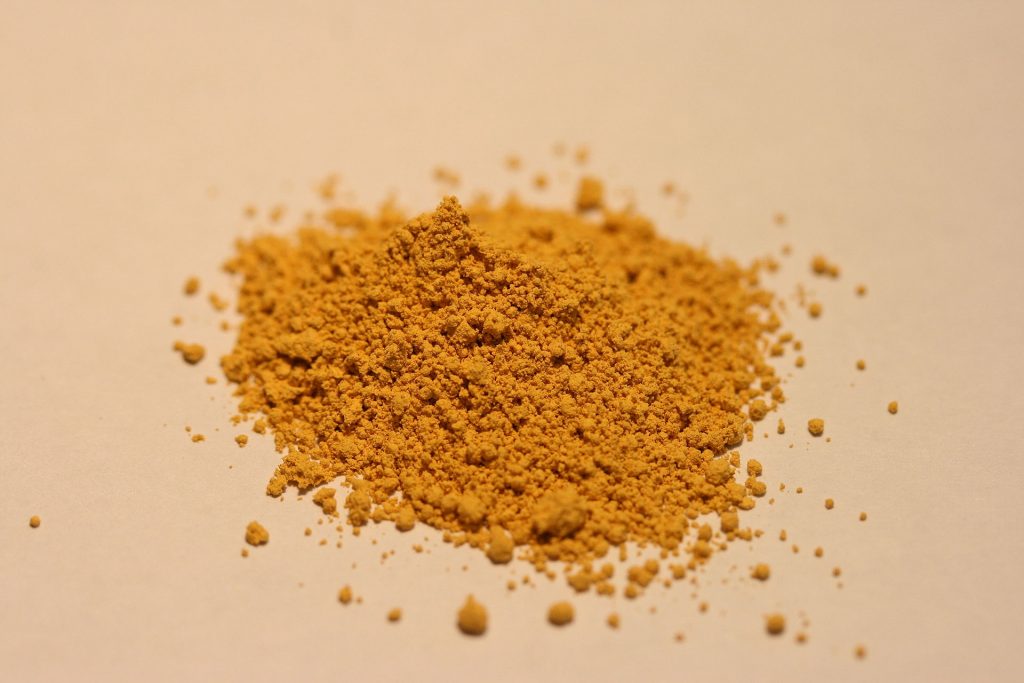
Yellow Ochre
is a natural clay earth pigment which is a mixture of ferric oxide and varying amounts of clay and sand. It ranges in colour from yellow to deep orange or brown. Wikipedia
Ochre Pigments
Part 1 – Preparation of Earth Colours
The Alchemical Arts
21:15