

/ Channels
Explore external links to concrete-based materials and design trends.

Core77’s Materials section serves a devoted global audience of industrial designers ranging from students through seasoned professionals.
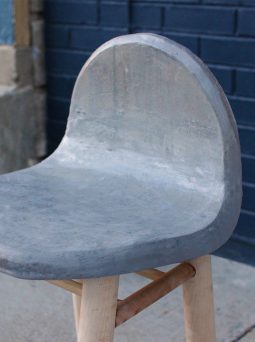

New York based Material Connexion’s libraries and database provide global materials inspiration.
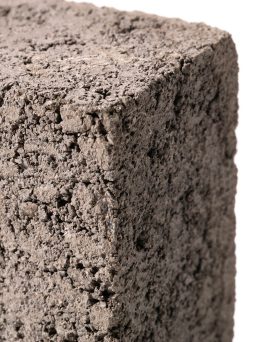
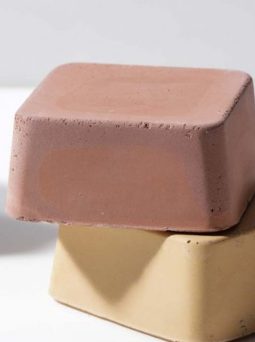
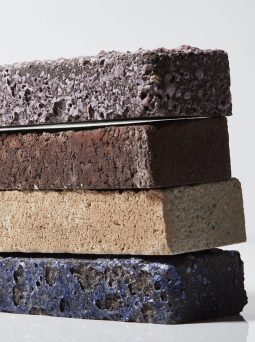

Netherlands based MaterialDistrict’s database, articles and events provide materials inspiration with European emphasis.
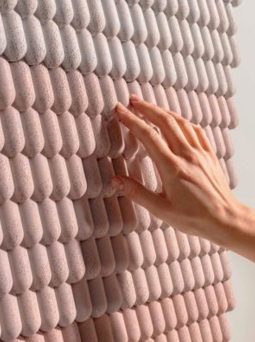
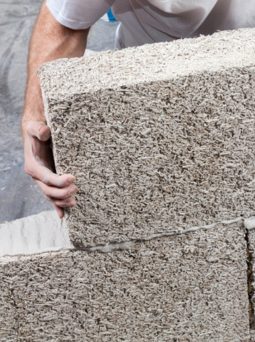
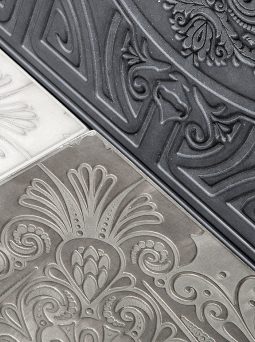

UK based Stylus offers reports, webinars, workshops and events for businesses to forecast cross-industry trends and consumer shifts.
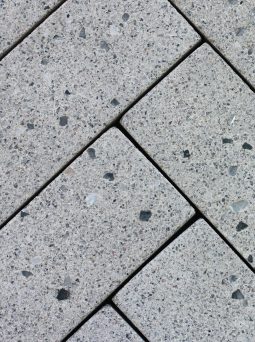



Transmaterial is curated by Minnesota based Blaine Brownell, architect and former Fulbright scholar with a focus on emergent materials and applications.
Material
/ Overview
Concrete is a product of the impulse to replicate the beauty and permanence of stone with the pliancy of a viscous liquid during the casting stage. It is considered the first artificial, as well as hybrid, material and has played a pivotal role in the history of building construction given its widespread use. Concrete exhibits the characteristic of simplexity – it is a material simple enough to be mass-produced and widely adopted yet complex in its composition and difficult to perfect. Concrete now is so broadly used—at an annual rate of five billion cubic yards—that it ranks only second only to water as the most consumed substance in the world…
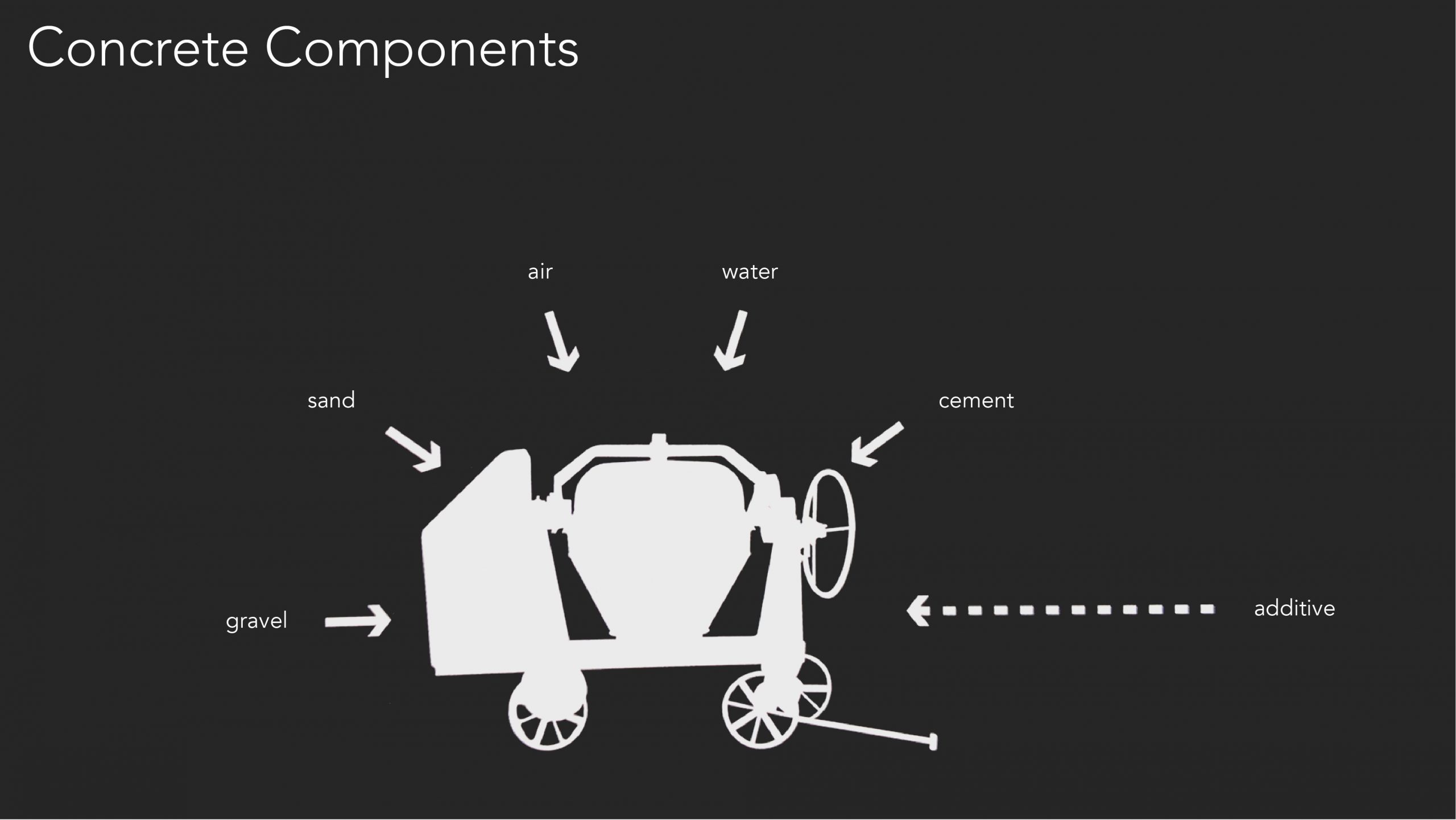
The composition of concrete is typically six parts water, four parts course aggregate (gravel), two parts fine aggregate (sand) and one part portland cement.
Brownell, Blaine – Material Strategies; Concrete (p42)

CMTEL’s materials library is organized by a numerical system to identify specific classes within a material family:
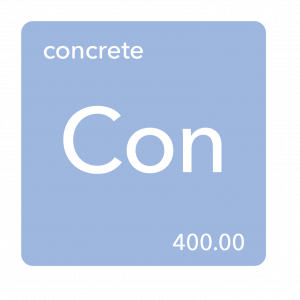
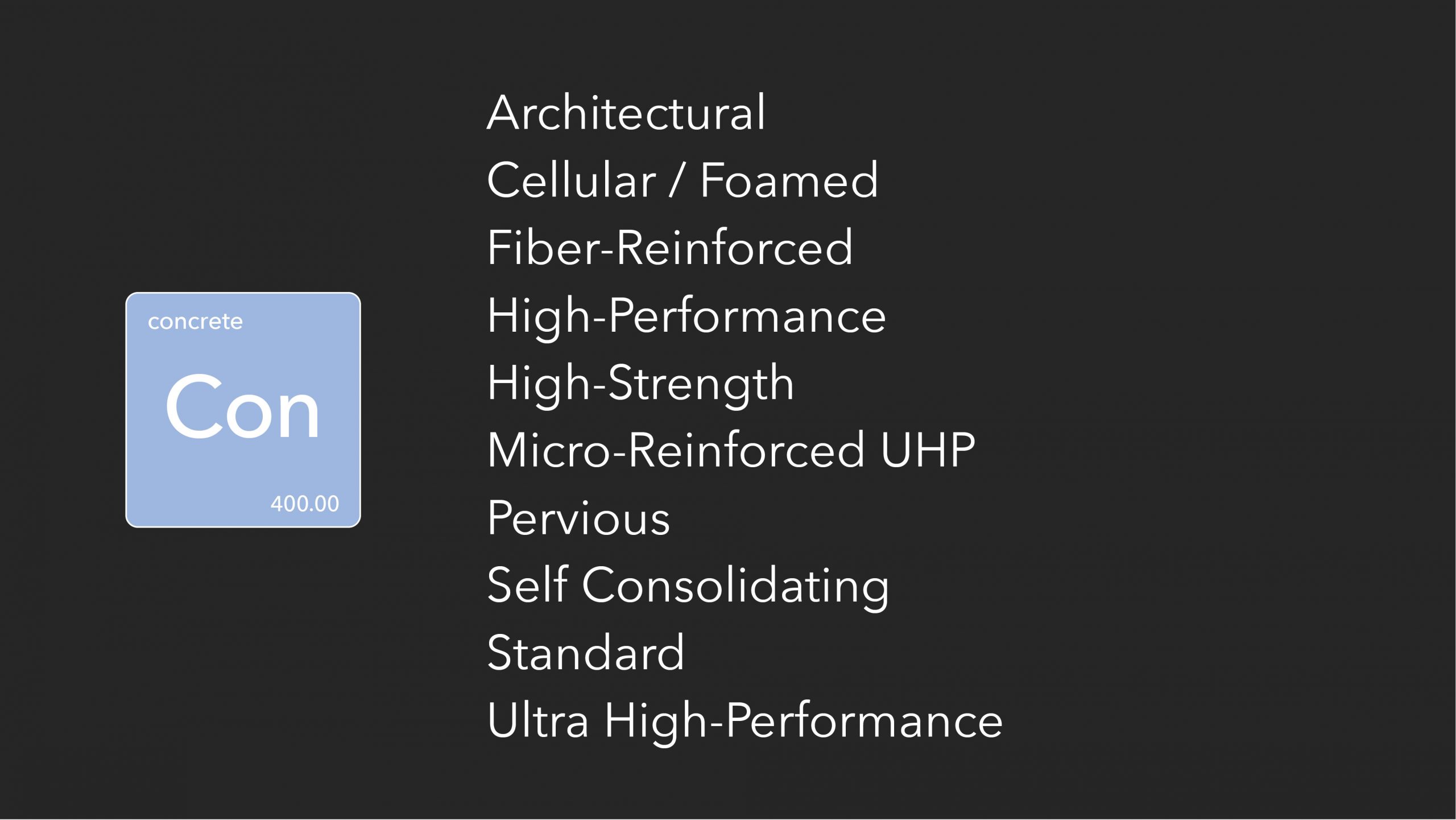
Concrete is designated 400.00. To see the full taxonomy of polymer scroll to the “Taxonomy” section below. For a complete materials taxonomy visit the CMTEL Taxonomy page.
The recipe is relatively simple, even if the ratios to be respected are precise: between 7 and 15% cement, 60 to 70% aggregate, water, admixtures or additives (less than 2%) and air (1 to 6% of the volume).
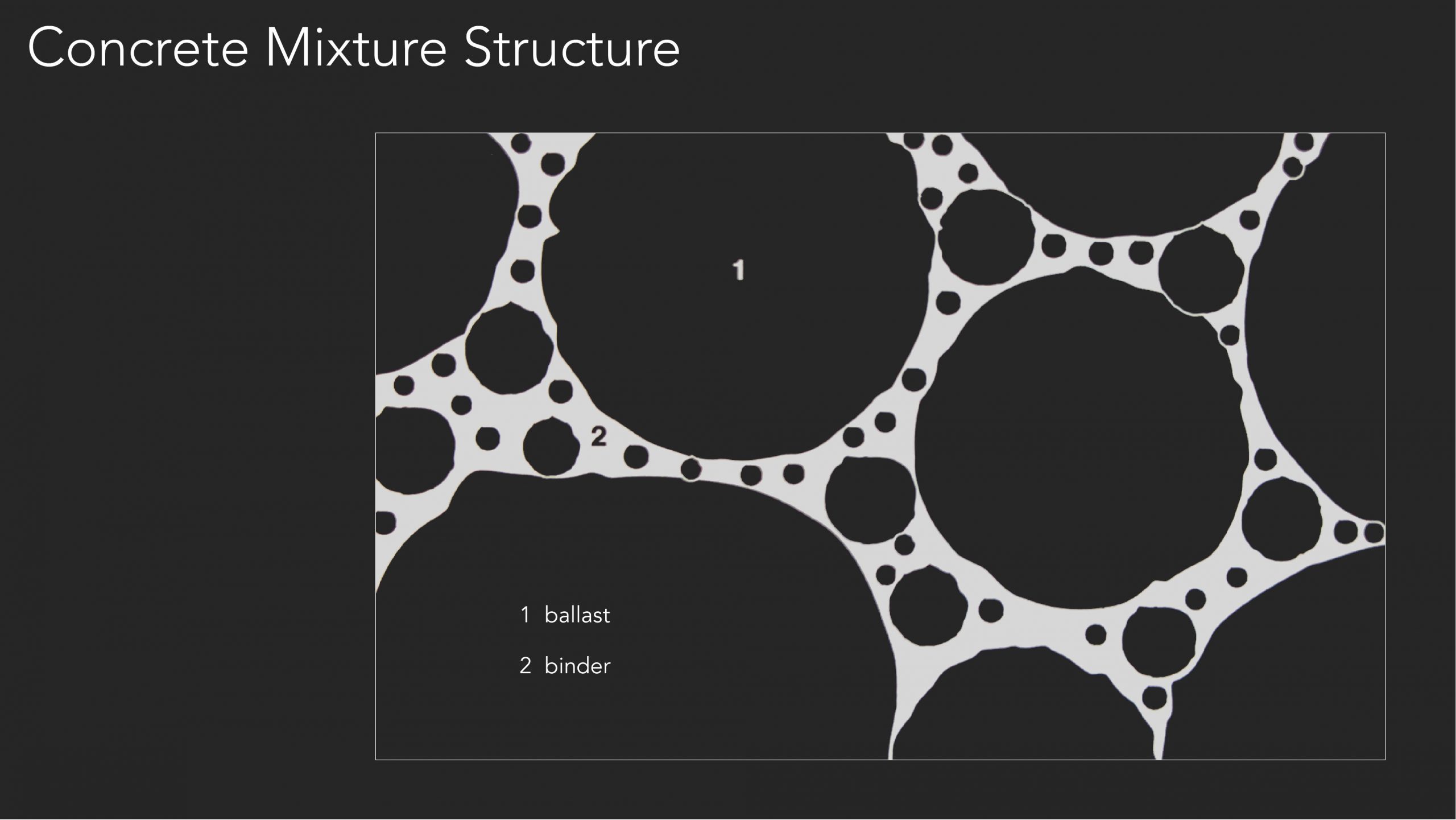
The word ‘concrete’ describes a composite material used for construction or product made from grains (sand, grit) held together by a binder (water-based, bitumen-based) and sometimes mixed with admixtures.
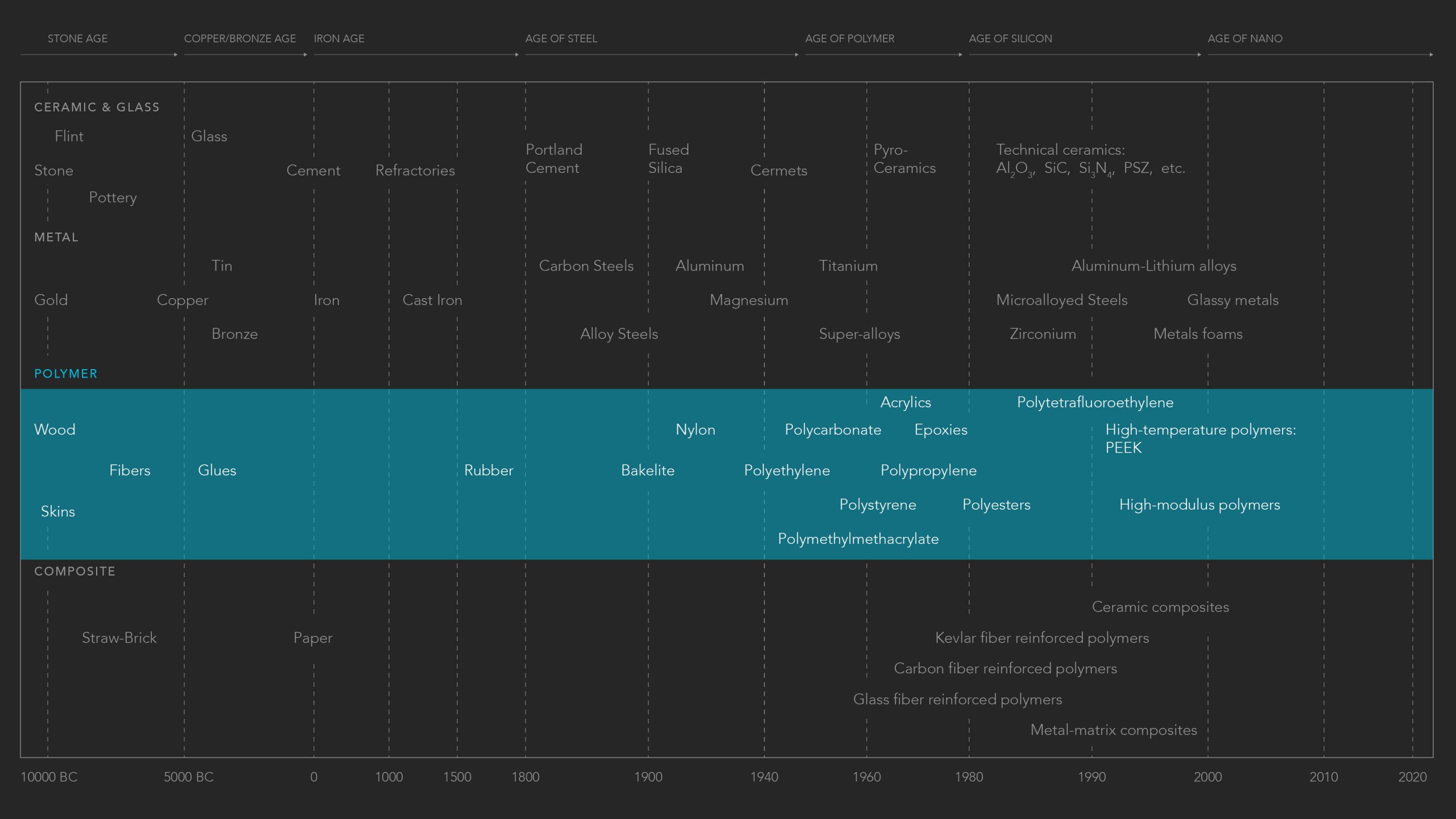
Starting with the use of lime-based mortar as early as 12,000 BC, through Egyptian pyramids and Roman rotundas, concrete has evolved to incorporate metal and fiber reinforcement and become the major material for buildings and infrastructure.
click on image to enlarge >
/ Taxonomy
Architectural
These types vary in color and surface finish emptying dyes, stains as well as forming, molding, and stamping processes.
Cellular / Foamed
Aerated concrete produced by the addition of an air-entraining agent to the concrete (or a lightweight aggregate such as expanded clay aggregate or cork granules and vermiculite) is sometimes called cellular concrete, lightweight aerated concrete, variable density concrete, Foam Concrete and lightweight or ultra-lightweight concrete.
Fiber-Reinforced
Fiber-reinforced concrete (FRC) is concrete containing fibrous material which increases its structural integrity. It contains short discrete fibers that are uniformly distributed and randomly oriented. Fibers include steel fibers, glass fibers, synthetic fibers and natural fibers – each of which lend varying properties to the concrete.
High-Performance
These types exhibit higher performance in areas including compaction without segregation, density, durability, early age strength, ease of placement, heat of hydration, permeability, toughness, volume stability.
High-Strength
High-strength concrete has a compressive strength greater than 40 MPa (6000 psi). Often silica fume is added to prevent the formation of free calcium hydroxide crystals in the cement matrix, which might reduce the strength at the cement-aggregate bond.
Micro-Reinforced UHP
Micro-reinforced ultra-high-performance concrete is the next generation of UHPC. In addition to high compressive strength, durability and abrasion resistance of UHPC, micro-reinforced UHPC is characterized by extreme ductility, energy absorption and resistance to chemicals, water and temperature.
Pervious
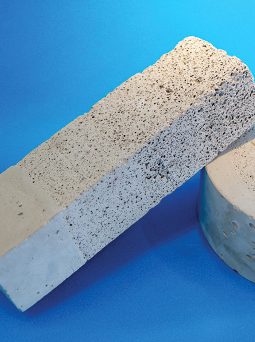
Pervious concrete is a mix of specially graded coarse aggregate, cement, water, and little-to-no fine aggregates. This concrete is also known as “no-fines” or porous concrete.
Self-Consolidating
Known as self-consolidating concrete (SCC) in the United States, the material is characterized by extreme fluidity, does not require mechanical compaction, no bleeding or aggregate segregation and is easily placeable.
Standard
Standard or regular concrete can be made by combining Portland cement, dry sand, dry stone, and water.
Ultra High Performance (UHP)
Ultra high-performance concrete incorporate silica fume, superplasticizers, ground quartz and mineral fibers to create material with high strength and ductility, as well as superior resistance to impact, corrosion and abrasion.
Further References >
Brownell, Blaine – Material Strategies; Concrete (pp 41-59).
Kula & Ternaux – Materiology: the creative industry’s guide to materials and technologies; Concrete (pp 98-104).
Thompson, Rob – The materials sourcebook for design professionals; Cement (pp 496-501).
Methods
/ Overview
Concrete is made of aggregates of different sizes and a cement binder that is activated by water. Cement consists of limestone, silicon, calcium, and often aluminum and iron, and is offered in multiple types. The composition of concrete is typically six parts water, four parts course aggregate (gravel), two parts fine aggregate (sand), and one part portland cement.
It is made by grinding a combination of limestone and clay, and sintering it to 1400 to 1450C in order to create elite and belite which are minerals that form calcium silicate hydrate and calcium hydroxide and provide concrete its strength.
Concrete is created by an exothermic reaction that results from cement hydration-which hardens and increases the strength of the concrete-and generally requires twenty-eight days to reach optimal compressive strength.
Brownell, Blaine – Material Strategies; Concrete (pp40 – 41)
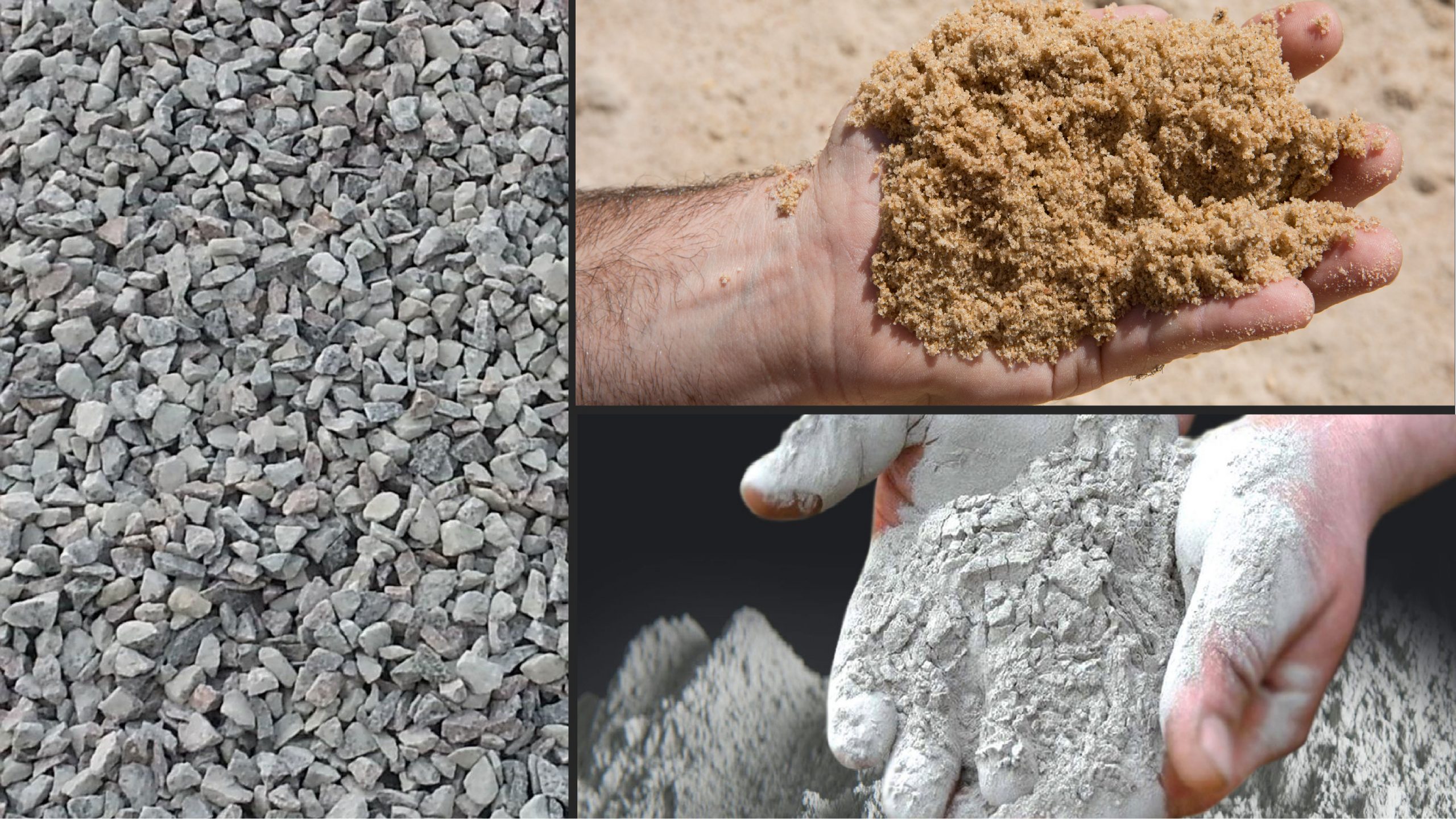
In addition to air and water, creating concrete requires aggregate (left), sand (top right), and cement (bottom right).
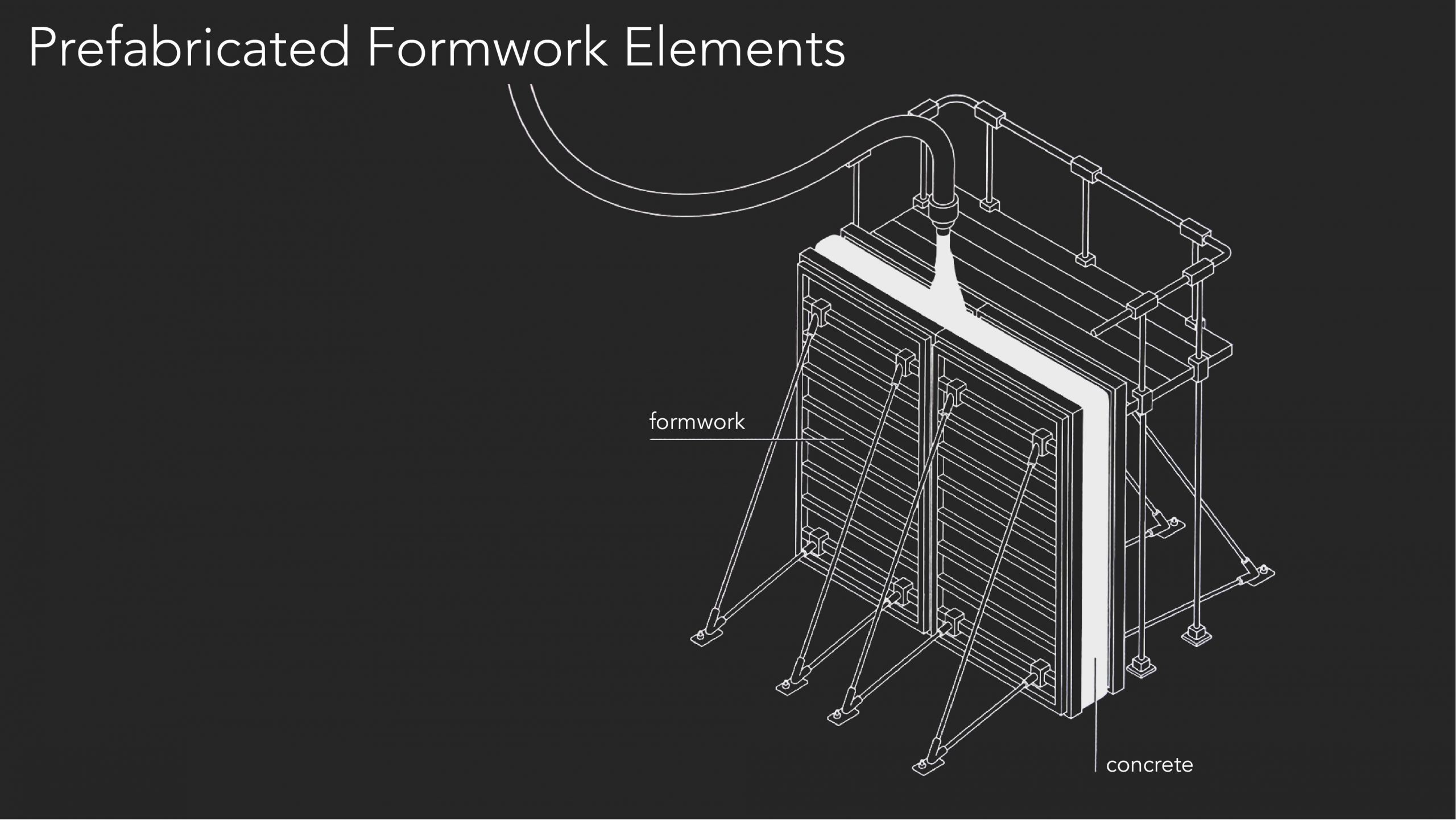
Concretes are generally poured using gravity into formwork or molds. This can be done in advance (as with prefabricated pieces, furniture parts) or on site. Formwork is an essential part of concreting and carried out by specialty carpenters.
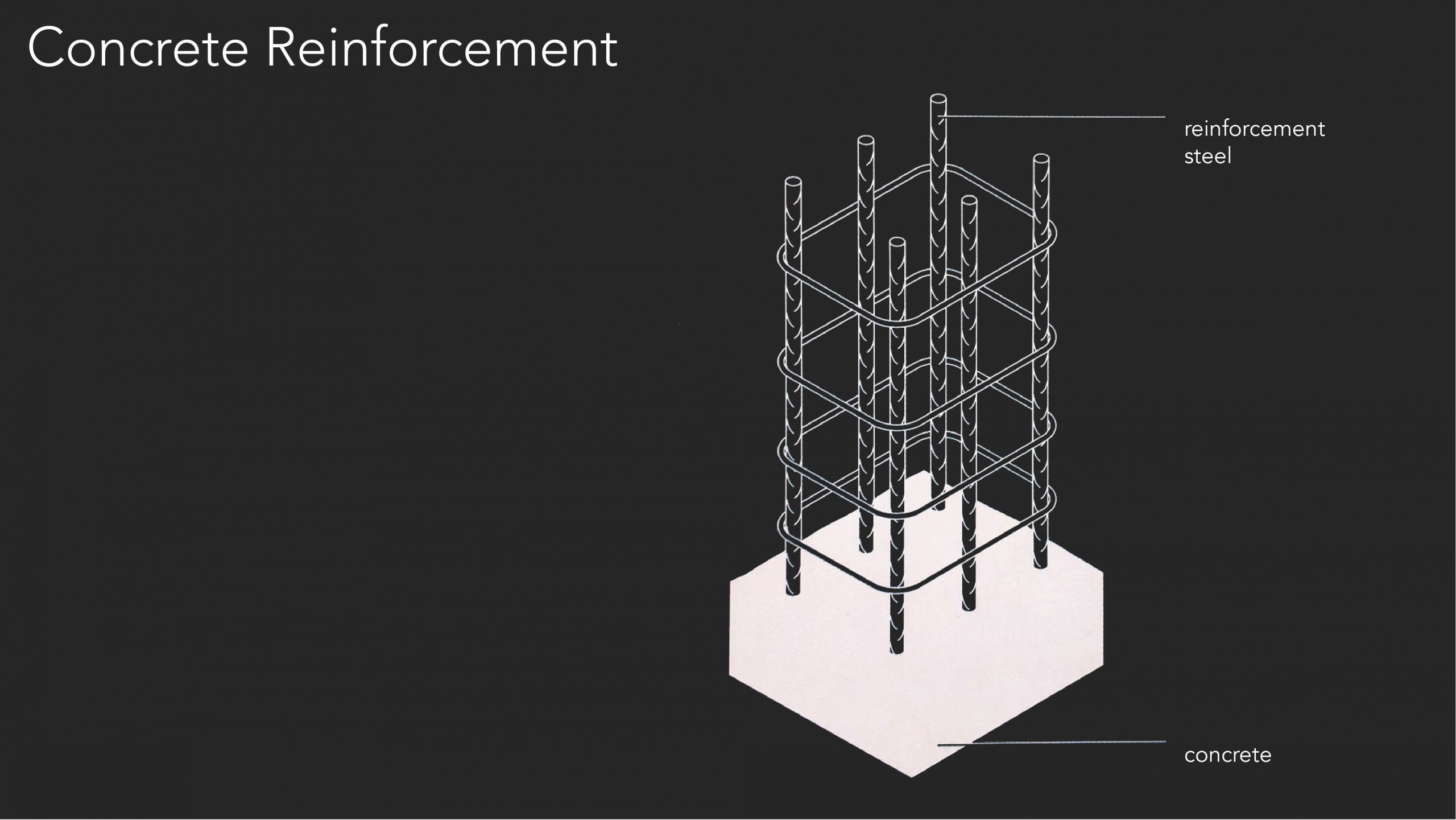
Concrete’s tensile strength is limited and can quickly provoke cracking and breaks if it is not reinforced or have fibers mixed in. A common reinforcement is the pouring of concrete around an array of steel bars.
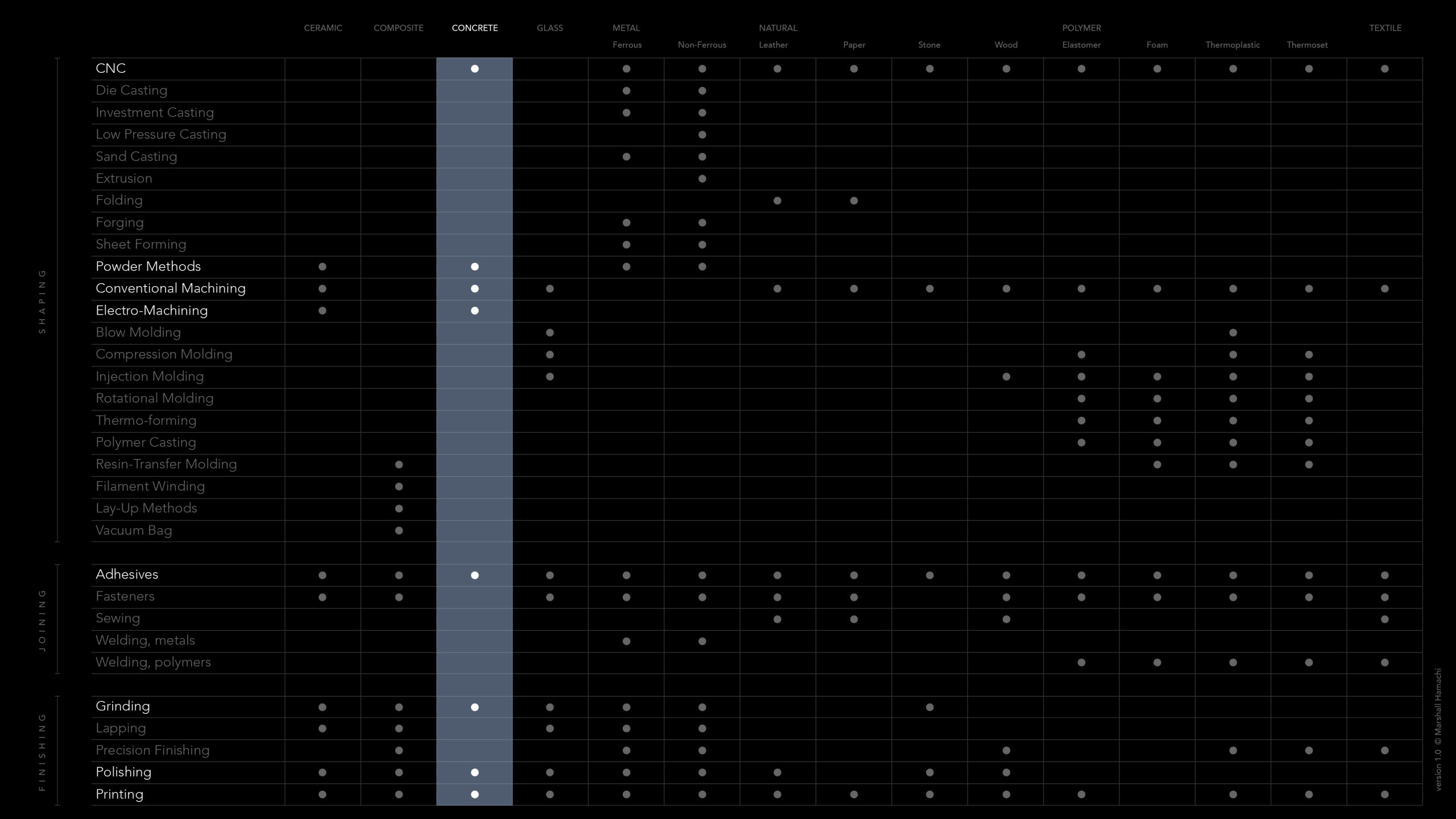
Shaping, Joining and Finishing process methods for concrete.
click on image to enlarge >
/ Manufacturing
Shaping
Molded
Pre-Formed
Sprayed
Stamped
Joining
t
Finishing
Additive
– Dyed
– Polished
– Stained
Subtractive
– t
Printing
– t
Shaping >
How cement is made
Cement plant production
Lafarge Exshaw Cement
05:50
Title
Process
Mftr
00:00
Title
Process
Mftr
00:00
Title
Process
Mftr
00:00
Title
Process
Mftr
00:00
Title
Process
Mftr
00:00
Further References >
Brownell, Blaine – Material Strategies; Concrete (pp 41-59).
Kula & Ternaux – Materiology: the creative industry’s guide to materials and technologies; Concrete (pp 98-104).
Thompson, Rob – The materials sourcebook for design professionals; Cement (pp 496-501).
Kula & Ternaux – Materiology: the creative industry’s guide to materials and technologies; Concrete (pp 98-104).
Thompson, Rob – The materials sourcebook for design professionals; Cement (pp 496-501).
/ Products
Title
Process
Mftr
00:00
Title
Process
Mftr
00:00
Title
Process
Mftr
00:00