
/ Blog

Explore CMTEL’s trends blog featuring searchable and filterable posts.

/ Channels
Explore external links to polymer-based materials and design trends.

Core77’s Materials section serves a devoted global audience of industrial designers ranging from students through seasoned professionals.

New York based Material Connexion’s libraries and database provide global materials inspiration.
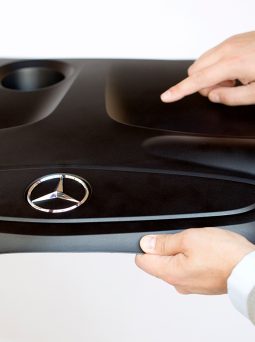

Netherlands based MaterialDistrict’s database, articles and events provide materials inspiration with European emphasis.


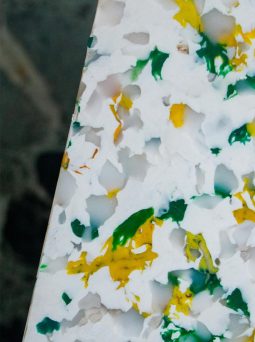

UK based Stylus offers reports, webinars, workshops and events for businesses to forecast cross-industry trends and consumer shifts.


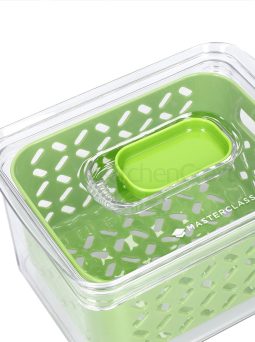

Transmaterial is curated by Minnesota based Blaine Brownell, architect and former Fulbright scholar with a focus on emergent materials and applications.
Material
/ Overview
Plastics are made up of polymers: long chains of repeating units (monomers) which occur naturally. Synthetic plastics are produced by the petrochemical industry. Some natural polymers are refined and molded without the addition of petrochemicals. These are known as bioplastics, and they include starch-based, cellulose based and natural rubber materials.
Synthetic plastics are divided into 2 groups: thermoplastics and thermosetting plastics (thermosets)… The defining difference between these 2 groups is that thermosetting plastics form permanent cross-links between the polymer chains. This creates a more durable molecular structure that is generally more resistant to heat and chemicals.
Thermoplastics can be remolded many times. Off cuts and scrap (regrind) can be reprocessed with virgin material without a significant effect on the properties of the material. Regrind is typically limited to less than 15%, but some materials may contain a much higher percentage.
Thompson, Rob – Manufacturing processes for design professionals; Polymers (pg 425).
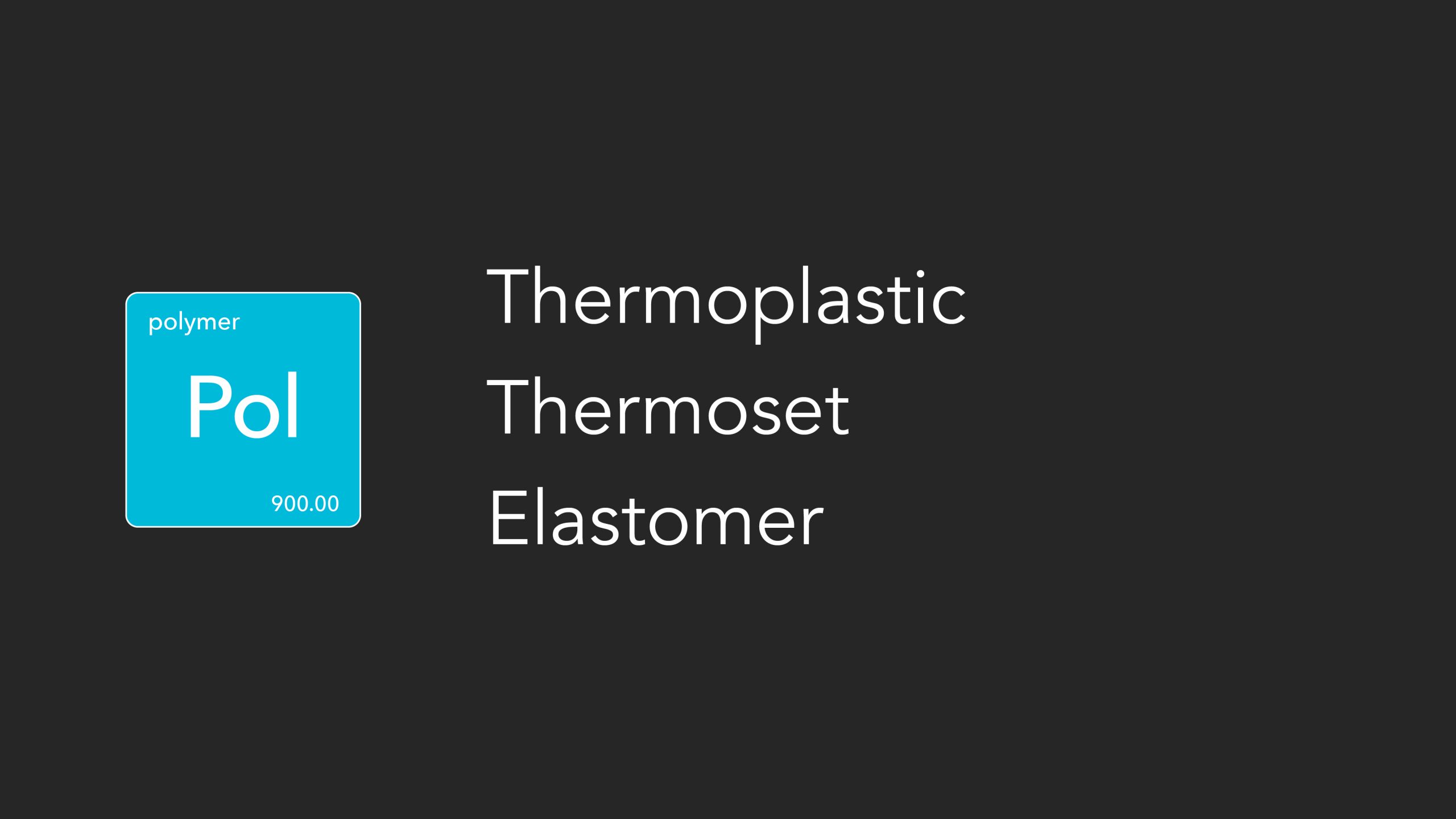
CMTEL’s materials library is organized by a numerical system to identify specific classes within a material family:
Polymer is designated 900.00. To see the full taxonomy of polymer scroll to the “Taxonomy” section below. For a complete materials taxonomy visit the CMTEL Taxonomy page.
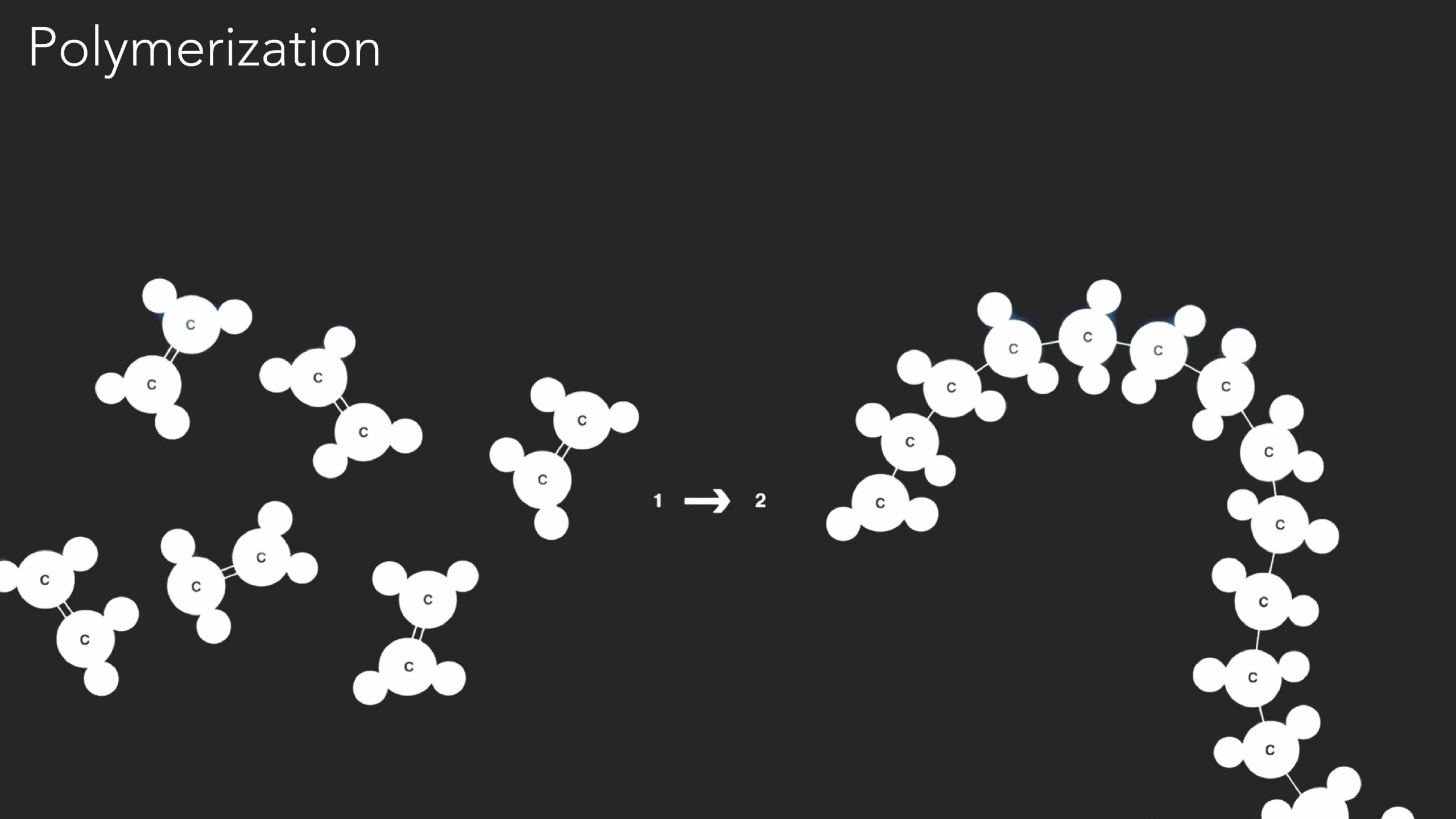
Polymers are created by a process in which monomer molecules chemically react to form polymers. The polymerization reaction bonds molecules with covalent links, creating macromolecules or “chains”.
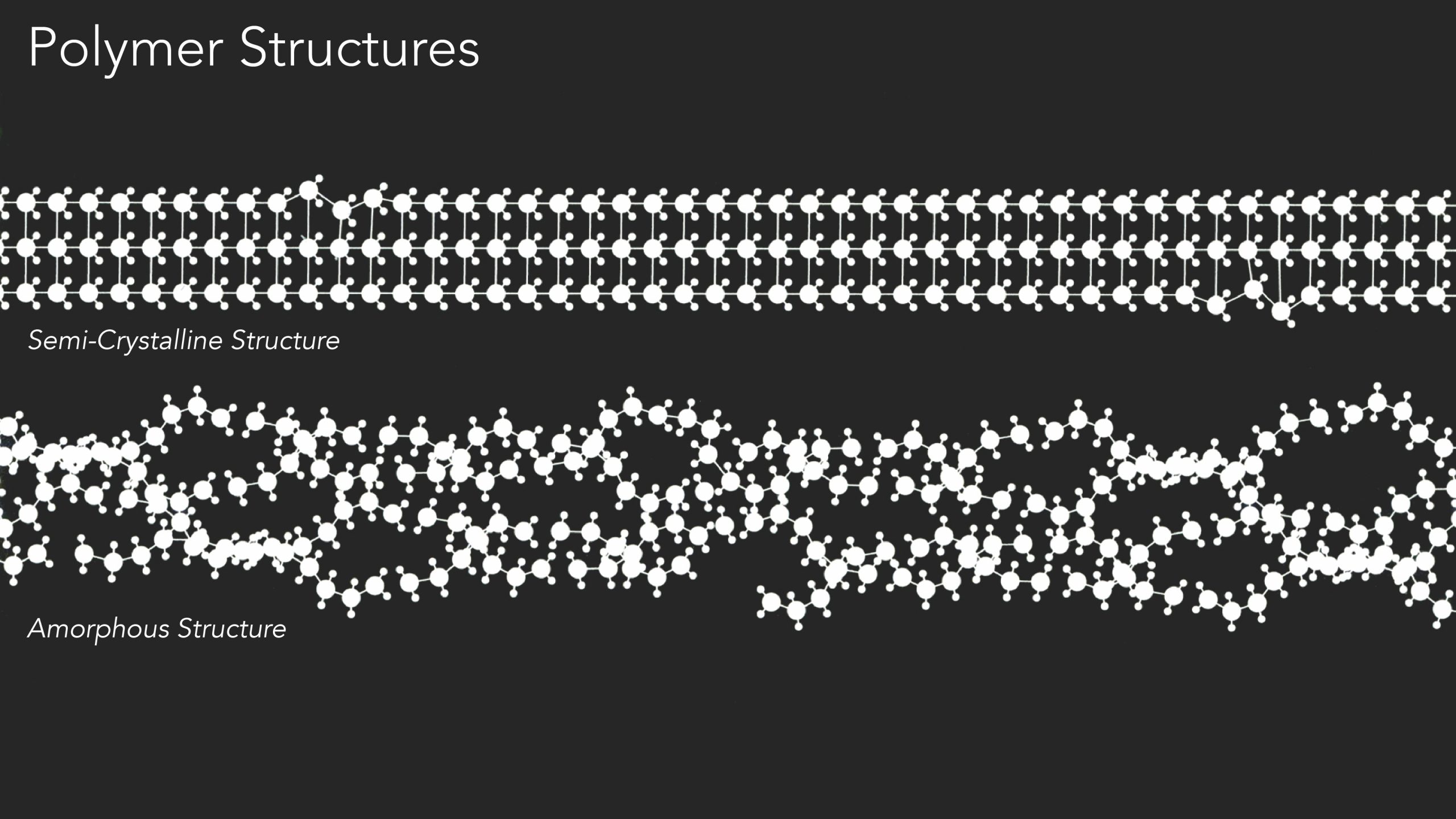
The macromolecules or polymer chains have different structural forms. Chains that are orderly aligned form a crystalline or semi-crystalline structure are higher performing and opaque. Irregular and entangled chains form an amorphous structure and can be transparent.
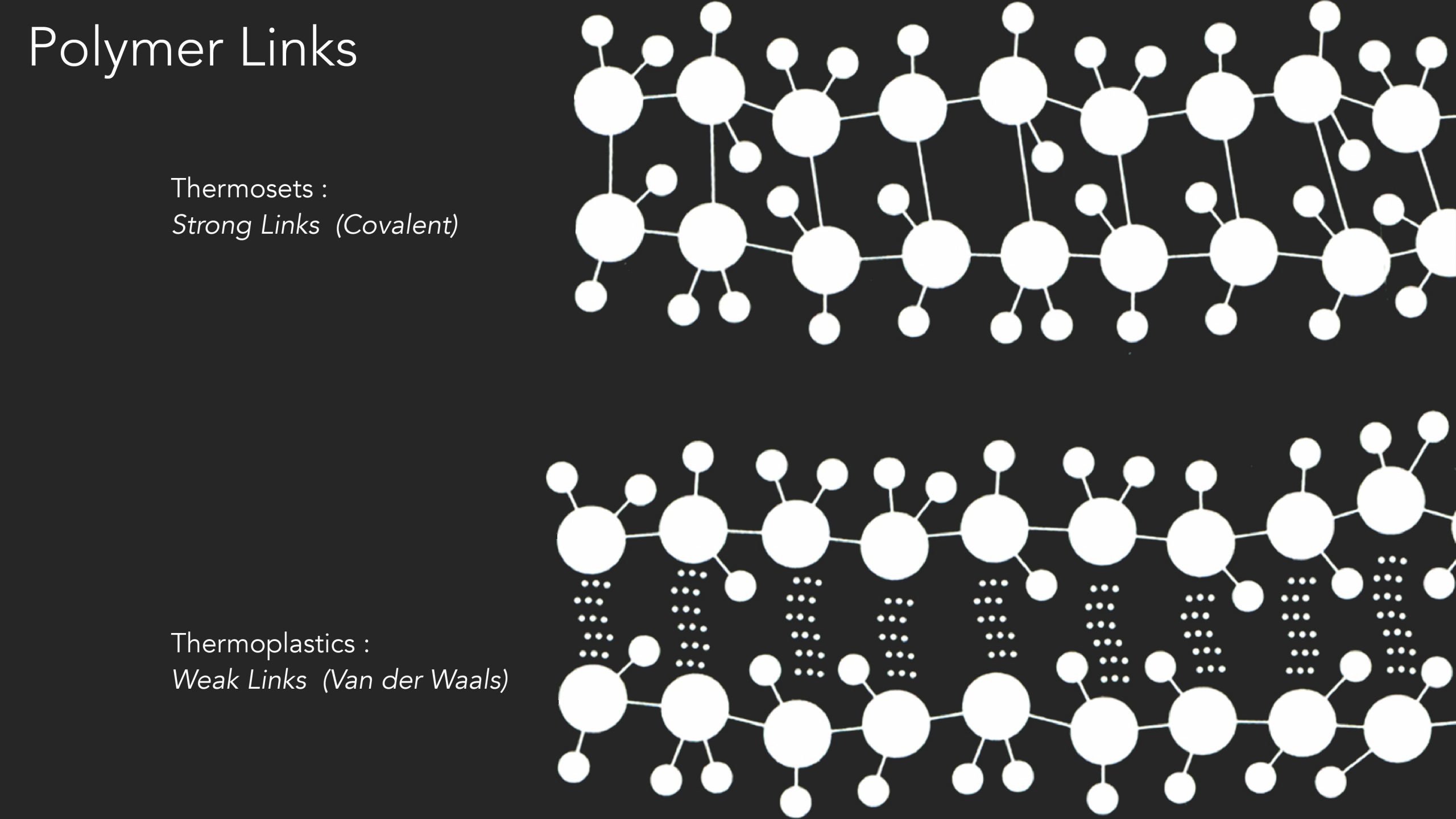
Strong covalent links characterize Thermosets, which are high performing and irreversible when “cross-linked”. Thermoplastics are characterized by weaker links which break down under heat and make recycling possible.
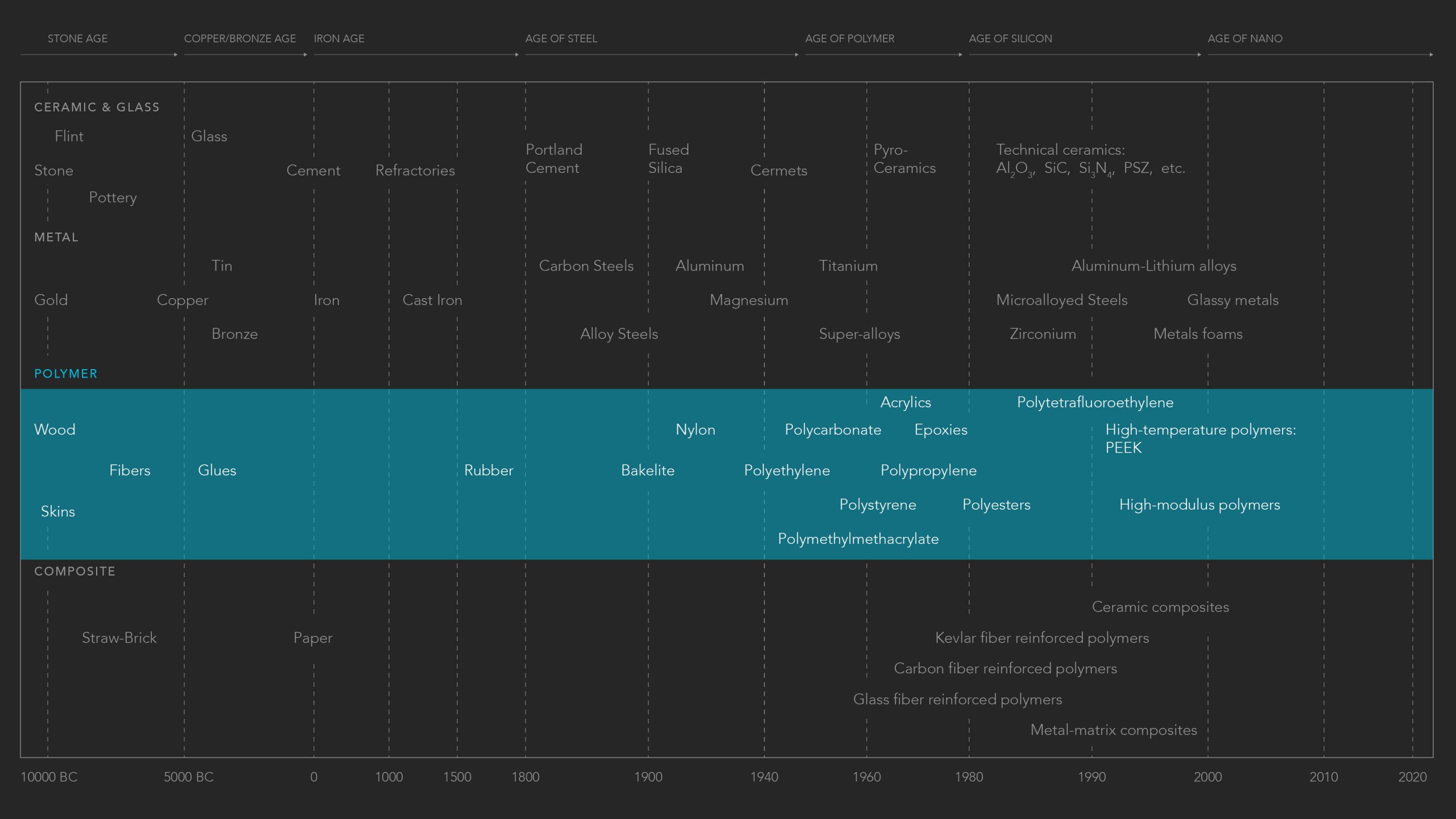
Synthetic polymer or “plastics” have evolved rapidly during the 20th century. Advances in research and manufacturing technology have propelled polymer into one of the dominant industrial materials used for products.
click on image to enlarge >
/ Taxonomy
Thermoplastic
Cellulosic
– CA
– CAB
Fluoropolymer
– ETFE
– FEP
– PTFE
Polyamide (Nylon)
Polycarbonate
PEEK
PMMA (Acrylic)
Polyester
– LCP
– PBT
– PCT
– PET
– PETG
– TPC-ET
Polyolefin
– EVA
– Ionomer
– PE (HD)
– PE (LD)
– PP
Polyurethane
POM (Acetal)
Starches
– PLA
Styrenes
– ABS
– HIPS
– PS
– SAN
– SBS
– SEBS
Vinyls
– PVC
– PVOH
Thermoset
Epoxy Resin
– EP
Formaldehyde Resin
– MF
– PF
– UF
Polyester Resin
Polyurethane Resin
Vinyl Resin
Bioplastic
Biodegradable
– Cellulose based
– Fermented (Lactic Acid)
– Microbial based
– Starch based
Non-Biodegradable
– Bio Polyamide (castor oil)
– Bio Polycarbonate (corn)
– Bio Polyethylene (sugarcane)
– Bio PET (sugarcane)
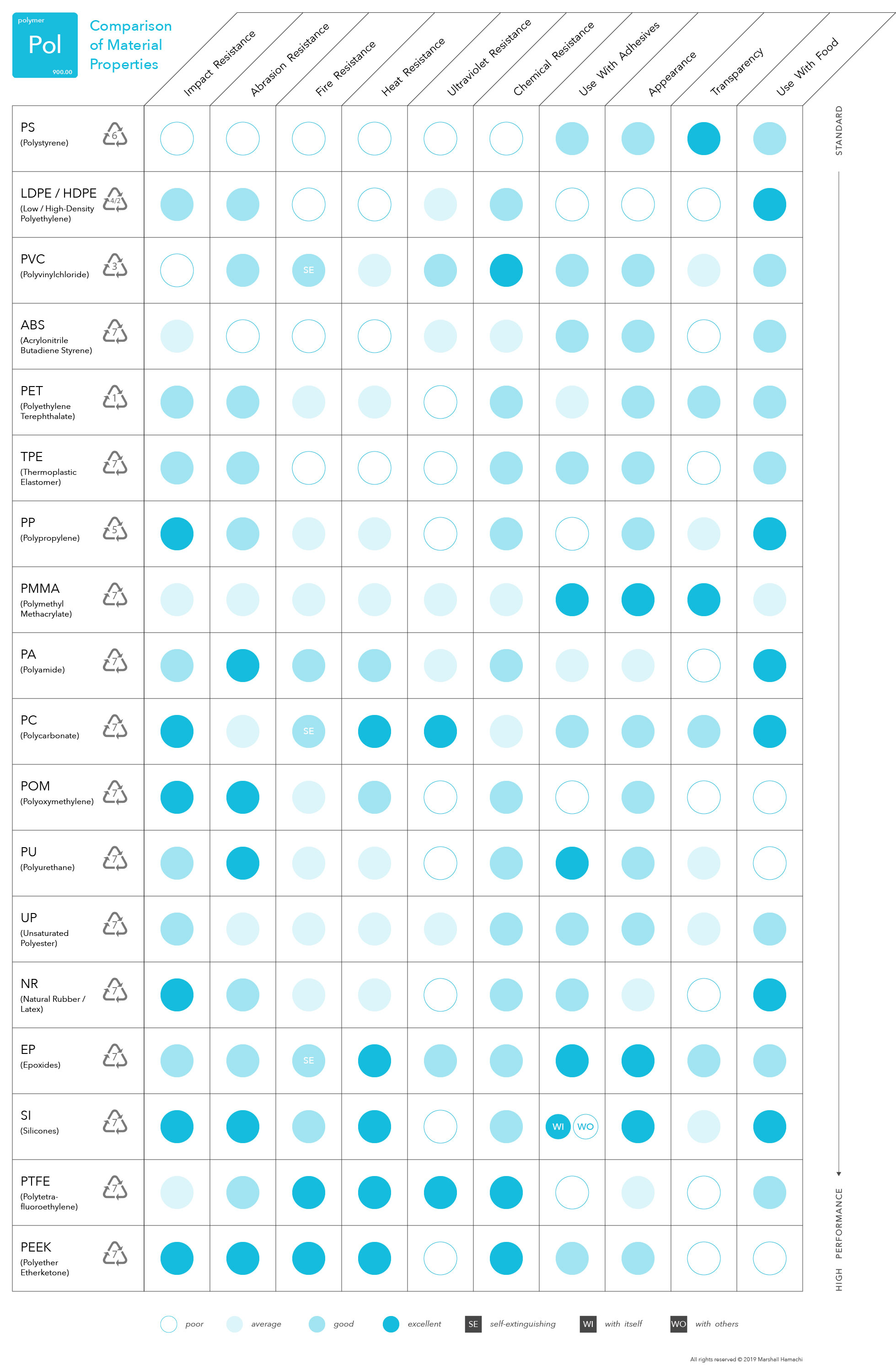
/ Properties
Further References >
Ashby & Johnson – Materials and Design: The art and science of material selection in product design; Polymers (pp 197-202).
Kula & Ternaux – Materiology: the creative industry’s guide to materials and technologies; Plastics (pp 64-70).
Lefteri, Chris – Materials for design; Polymers (pp 98-157).
Thompson, Rob – The materials sourcebook for design professionals; Plastic (pp 96-265).
Thompson, Rob – Manufacturing processes for design professionals; Polymers (pp 424-447).
British Plastics Federation – Plastipedia
British Plastics Federation – Thermoplastics
British Plastics Federation – Thermosets
British Plastics Federation – Additives
Crow Polymer Database – https://polymerdatabase.com/home.html
European Bioplastics – https://www.european-bioplastics.org
Methods
/ Overview
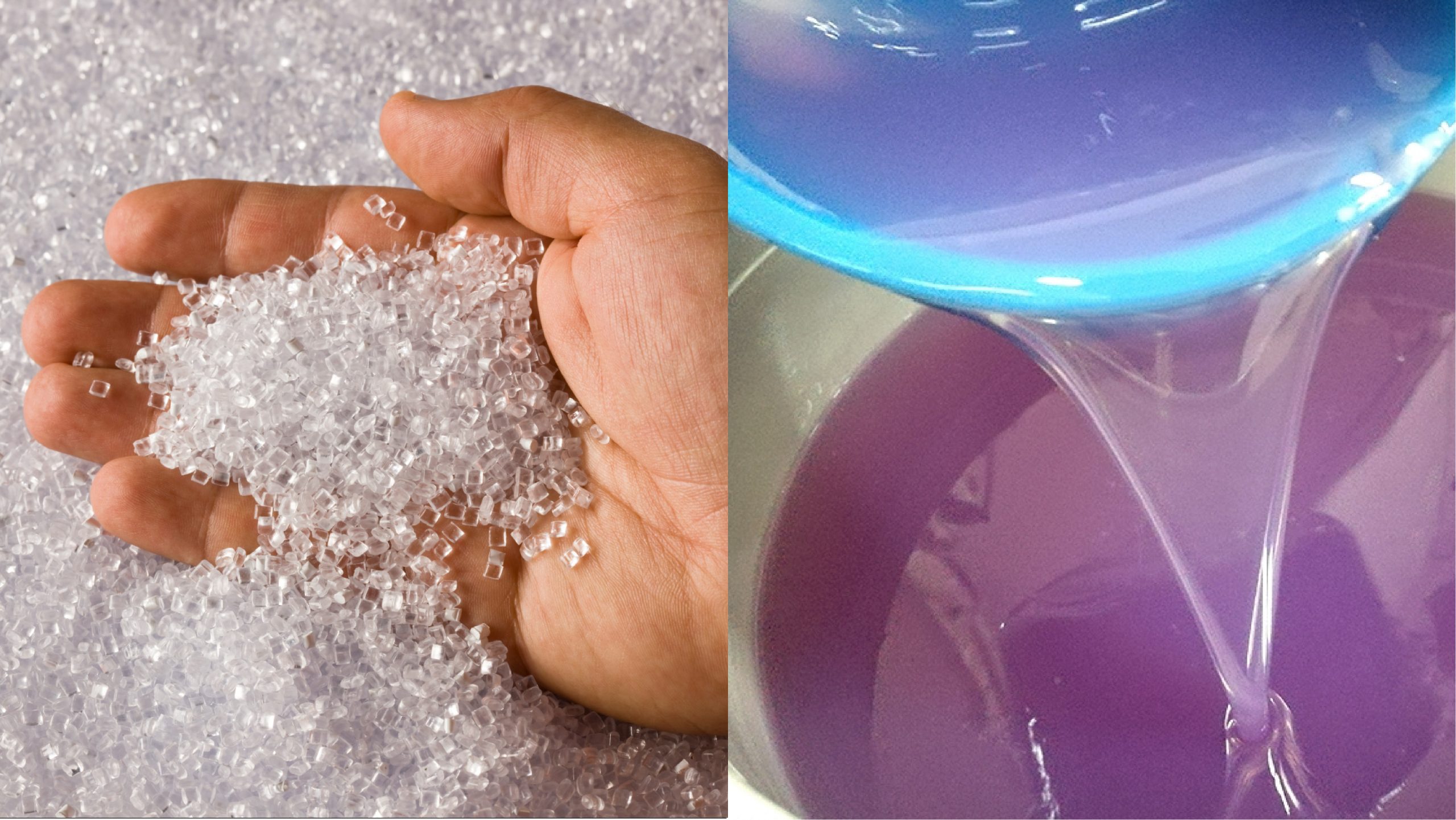
Plastics with different molecular structures lend themselves to different methods of manufacture. Thermoplastics are shaped by heating them until they are soft or liquid enough to be formed, so they are generally supplied in granulated form.
Different amounts of crystallinity also affect processing. For example, amorphous materials do not have a sharp melting point like crystalline materials. Therefore, they are more suited to processes like thermoforming, because the material stays soft and formable over a wider temperature range. In contrast, crystalline materials will flow more easily in the mold due to their sharp melting point and are therefore more suitable for thin wall sections and complex features.
Thermosets are cured in the mold. Some are engineered to cure at room temperature such as polyester, vinyl ester, epoxy (EP) and polyurethane (PUR); these are supplied in liquid form and mixed with a catalyst or hardener. They can be poured or injected into a mold.
Thompson, Rob – Manufacturing processes for design professionals; Polymers (pg 427).
Granulated thermoplastic in pellet form (left), and thermoset resin in liquid form (right). How is Plastic Made?
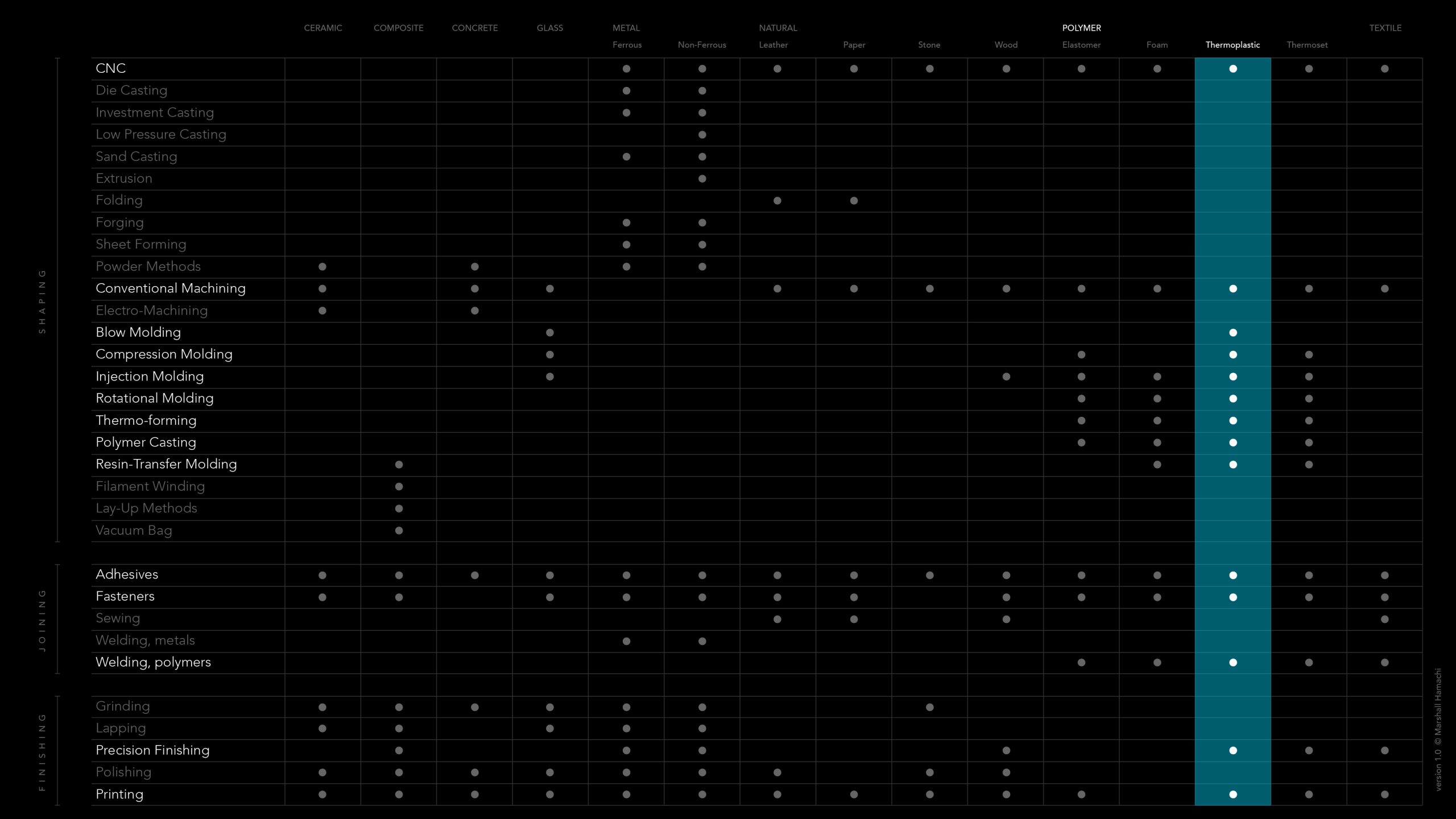
Shaping, Joining and Finishing process methods for Thermoplastic polymer.
click on image to enlarge >
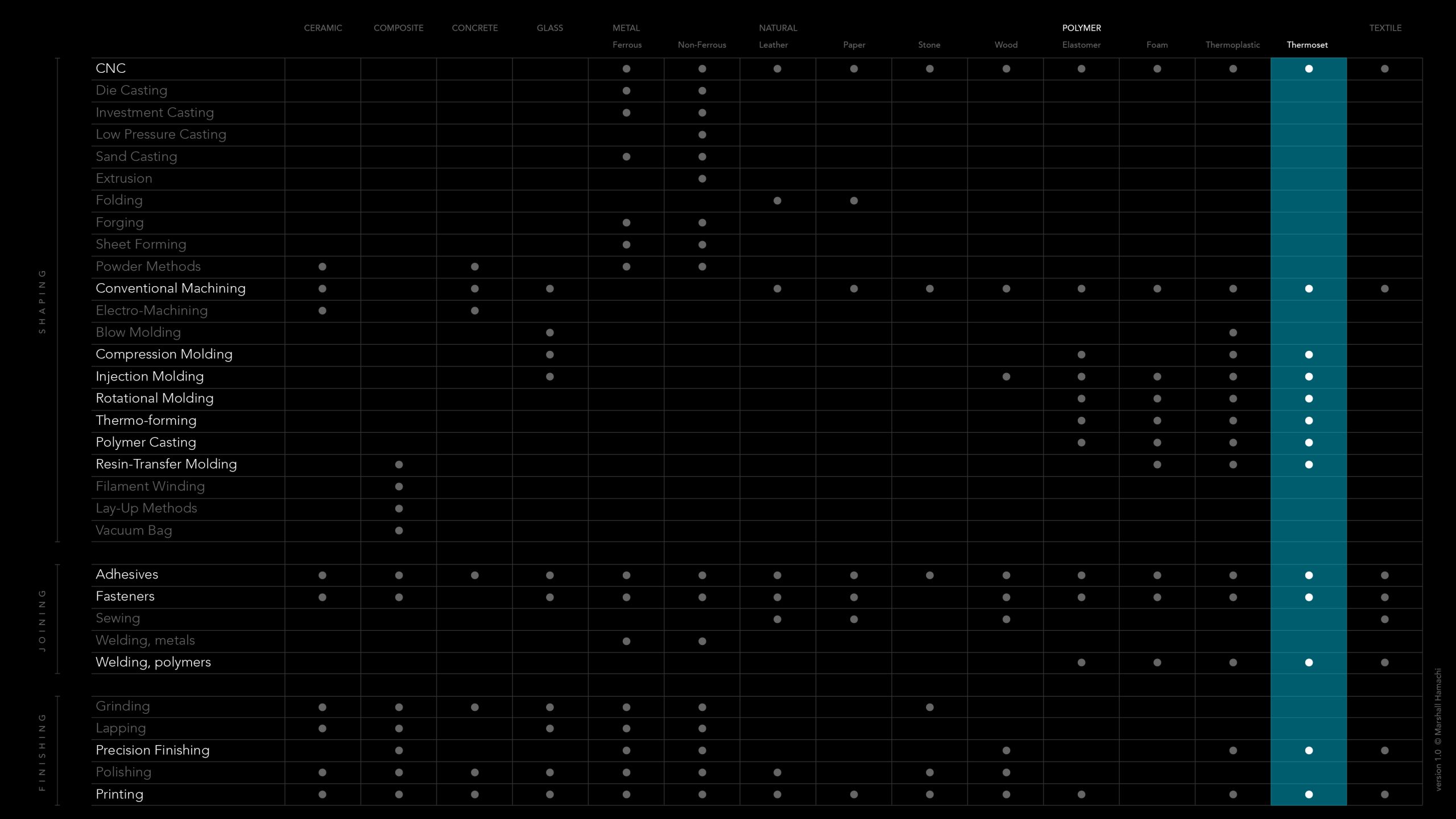
Shaping, Joining and Finishing process methods for Thermoset polymer.
click on image to enlarge >
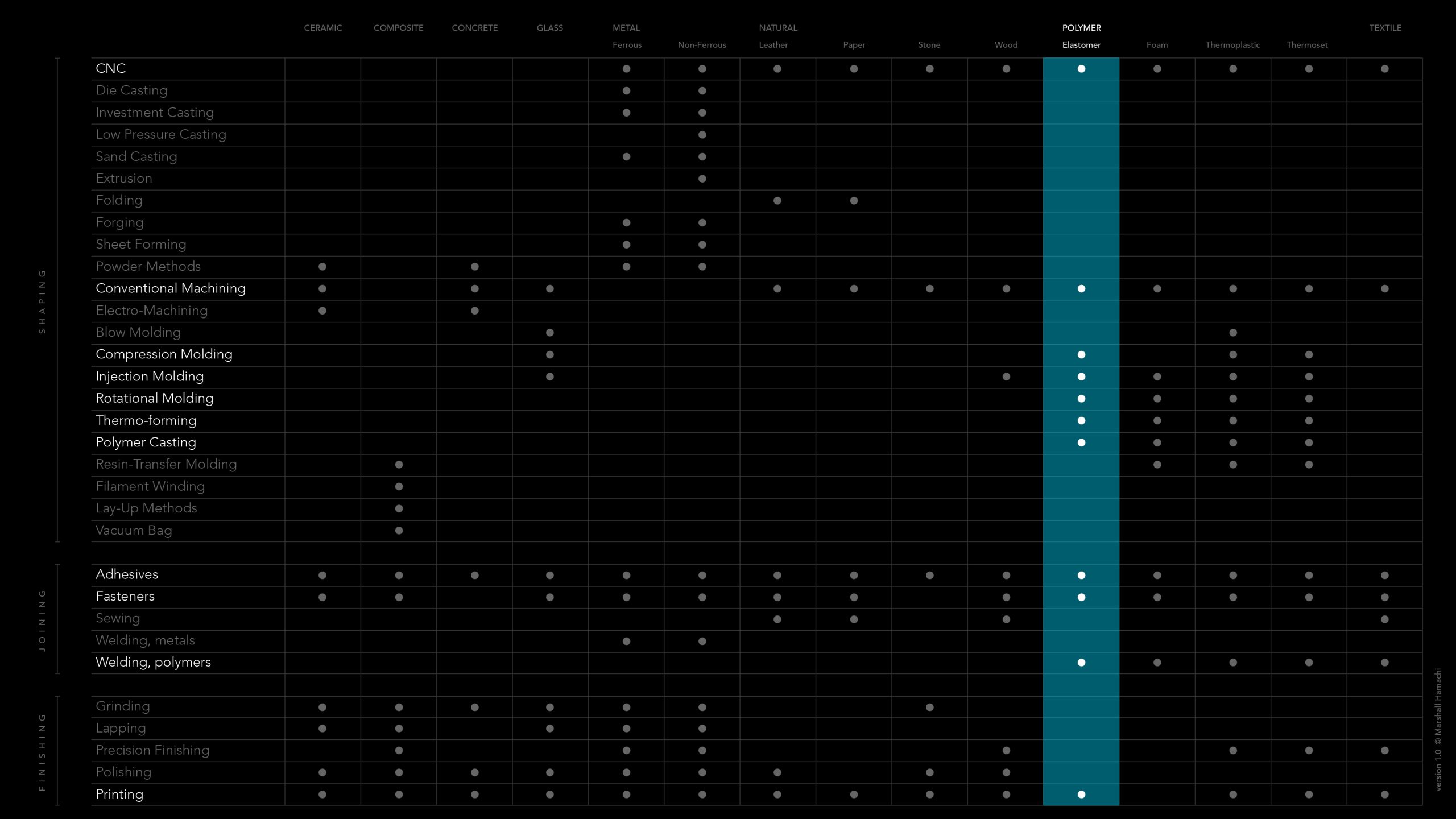
Shaping, Joining and Finishing process methods for Elastomer polymer.
click on image to enlarge >
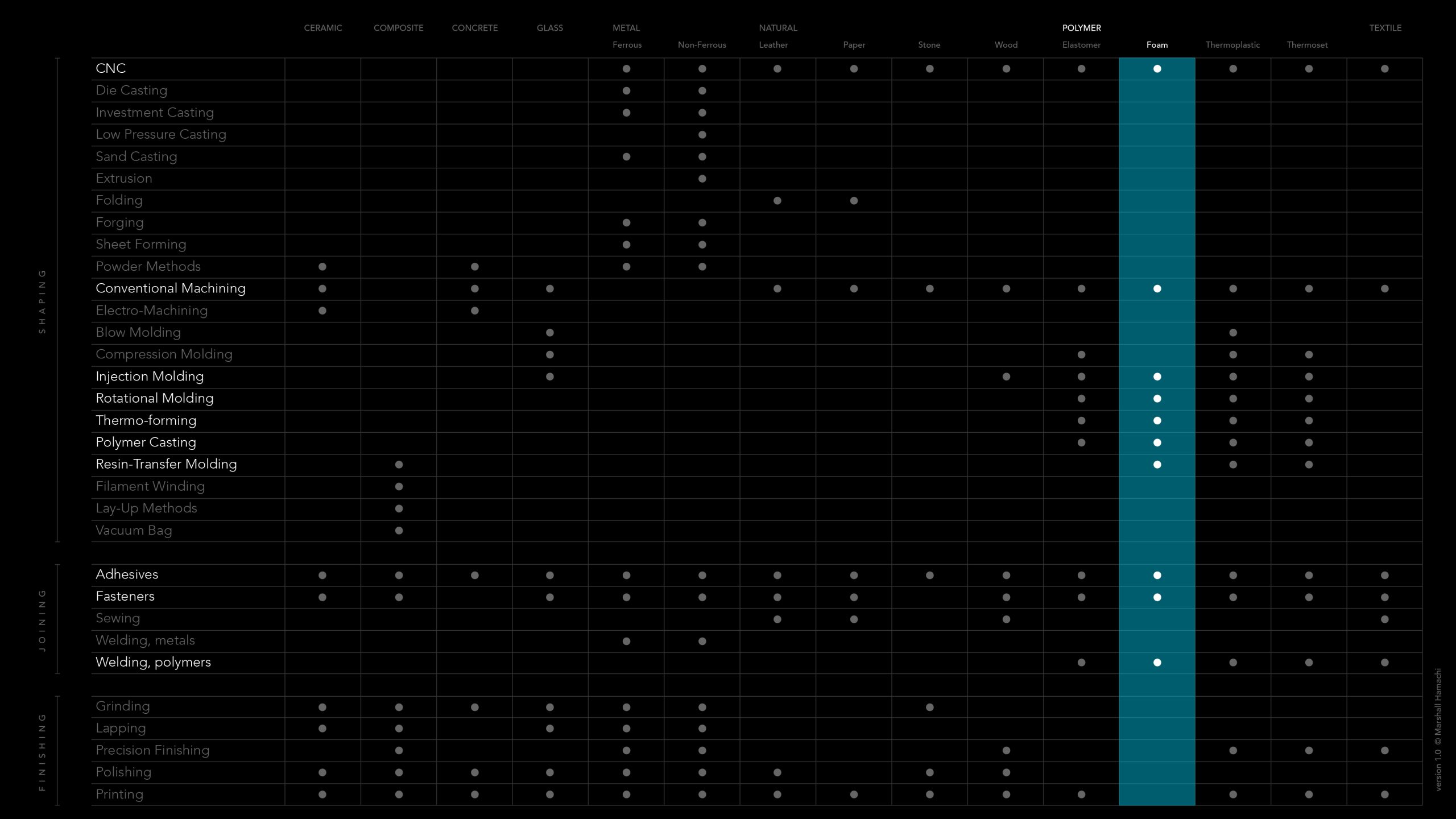
Shaping, Joining and Finishing process methods for Foam polymer.
click on image to enlarge >
/ Finishes
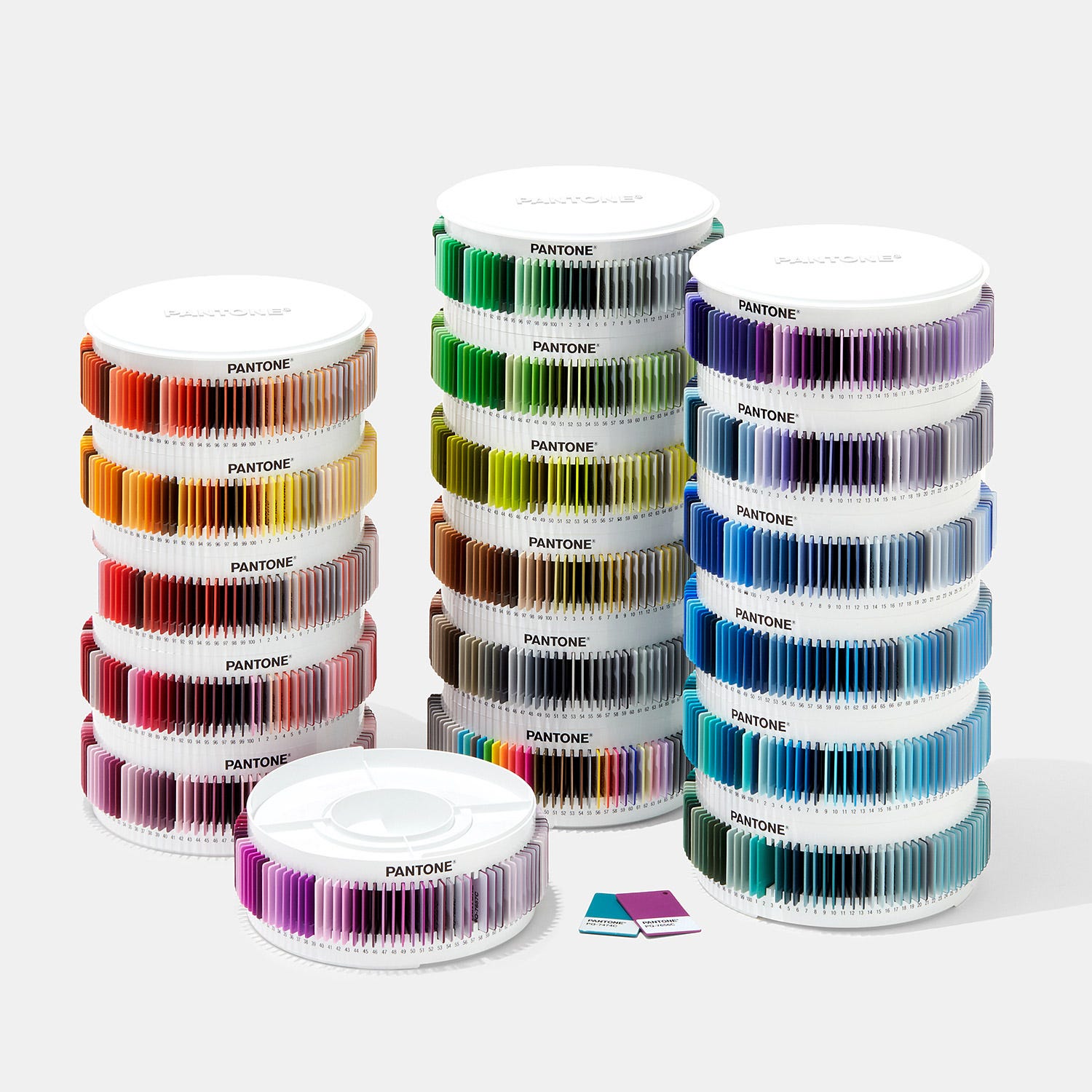
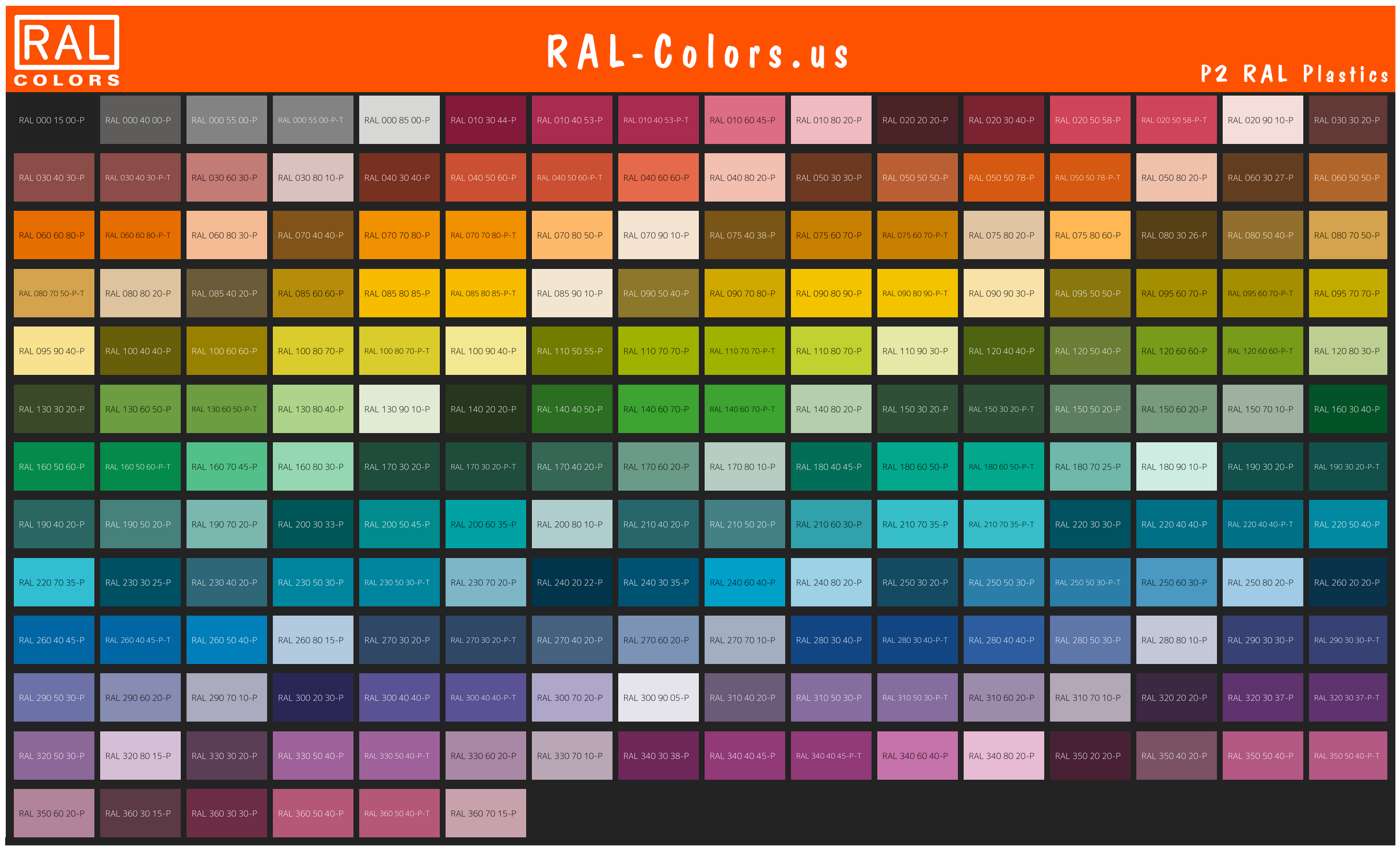
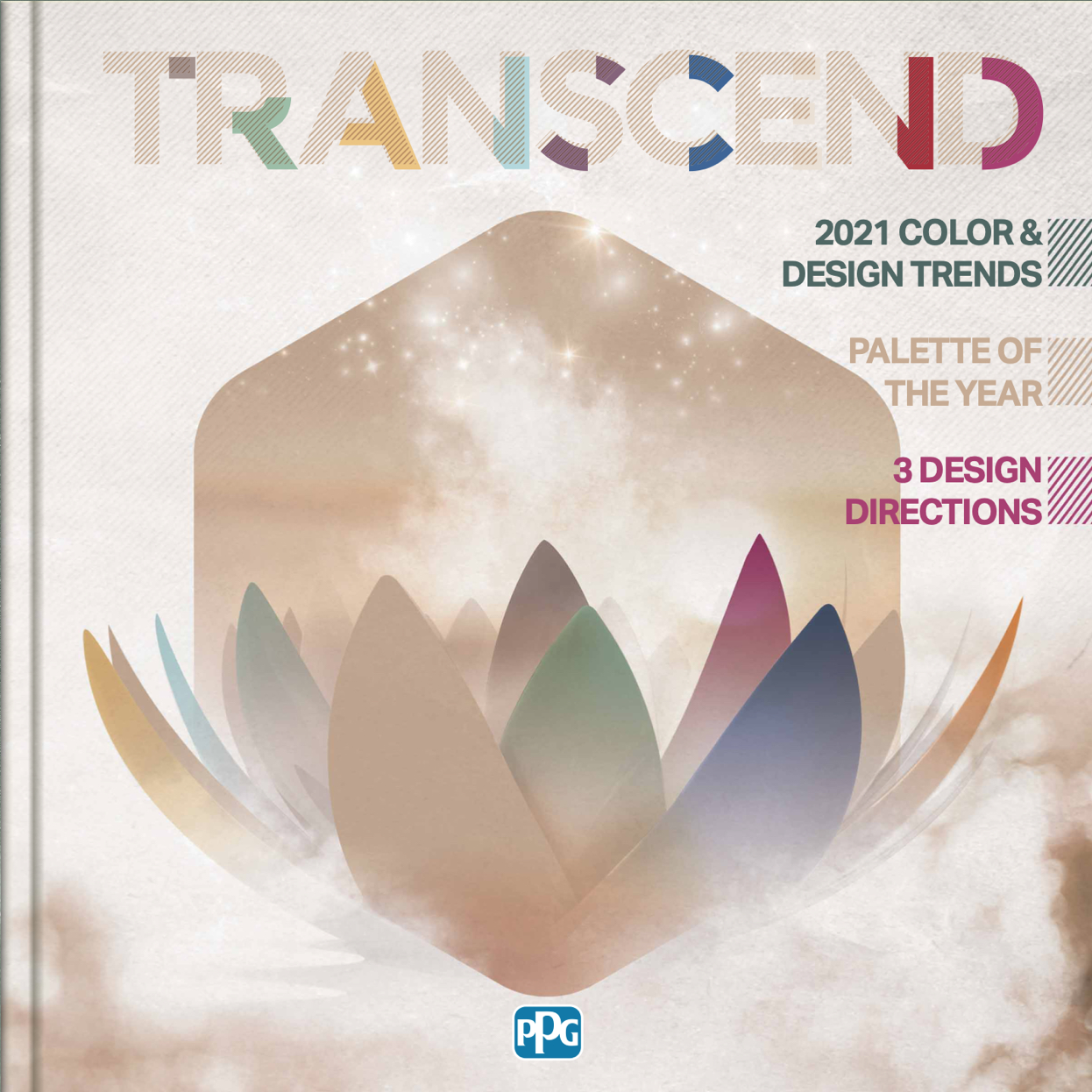
Colour is generally determined by reference to either Pantone or RAL. These are recognized as International standards and ensure that the colour that is specified by the designer in one country is exactly the same as the colour that is injection molded by a factory in another country. Other colour effects that can be achieved in plastics include metallic, pearlescent, thermochromatic, photochromatic and photoluminescent.
– Thompson, Rob. Manufacturing Processes for Design Professionals. p426
/ Manufacturing
Shaping
Blow Molding
– Extrusion Blow Molding
– Injection Blow Molding
– Injection Stretch Blow Molding
CNC Machining
Compression Molding
Dip Molding
Filament Winding
Hand / Spray Lay-Up
Injection Molding
Reaction Injection Molding
Resin Transfer Molding
Rotation Molding
Pultrusion
SMC/DMC Molding
Structural Foam Molding
Thermoforming
Vacuum Casting
Cutting
– Die Cutting
– Laser Cutting
– Water Jet Cutting
Joining
Fastening
Joinery
Staking
Weaving
Welding
– Hot Plate Welding
– Laser Welding
– Orbital Vibration Welding
– Spin Welding
– Ultrasonic Welding
– Vibration Welding
Finishing
Additive
– In Mold Decoration
– Painting
Vacuum Metalizing
– Chemical Vapor Deposition
– Physical Vapor Deposition
Subtractive
– Abrasive Blasting
– Engraving
Printing
– Foil Blocking & Embossing
– Hydro Transfer Printing
– Pad Printing
– Screen Printing
Shaping >
Blow Molding
Extrusion Blow Molding Process
01:56
Blow Molding
Injection Blow Molding Process
00:50
Blow Molding
Injection Stretch Blow Molding Process
SMF Germany GmbH
03:23
Compression Molding
Automatic Rubber Compression Molding
01:35
Dip Molding
Molded Devices Inc.
03:22
Injection Molding
E-Motion 110 Injection Molding Animation
Engel Austria GmbH
01:47
Injection Molding
2 Shot Molding Process
Hansen Plastics Corporation
02:57
Injection Molding
In Mold Decoration Process
GM Nameplate
01:43
Injection Molding
Reaction Injection Molding Process
RIM Manufacturing
04:26
Rotational Molding
Elkhart Plastics Inc.
03:48
Thermoforming
Pressure Forming KYDEX Sheet
SEKISUI Polymer Innovations
02:20
Thermoforming
Twin Sheet Thermoforming Process
Geiss AG
04:36
Thermoforming
Vacuum / Thermal Forming Process
06:19
Vacuum Casting
Vacuum Casting Process
Laser Prototypes Europe, Ltd.
02:07
Further References >
Ashby & Johnson – Materials and Design: The art and science of material selection in product design; Polymers (pp 197-202).
Kula & Ternaux – Materiology: the creative industry’s guide to materials and technologies; Plastics (pp 64-70).
Kula & Ternaux – Materiology: the creative industry’s guide to materials and technologies; Plastics (pp 64-70).
Thompson, Rob – The materials sourcebook for design professionals; Plastic (pp 96-265).
Thompson, Rob – Manufacturing processes for design professionals; “Forming: Plastics and Rubber” (pp 22-71); “Cutting: Plastics” (pp 248; 266-275); “Joining: Plastics” (pp 298-307; 316-337); “Finishing: Plastics” (pp 350-355; 364-367; 372-375; 388-391; 400-415); “Materials: Plastics” (pp 424-447).
/ Products
How an Arctic Spas Hot Tub is Made
Blue Falls Manufacturing
BRANDMADE.TV
08:56
How Lego Bricks are Made
Lego
08:32
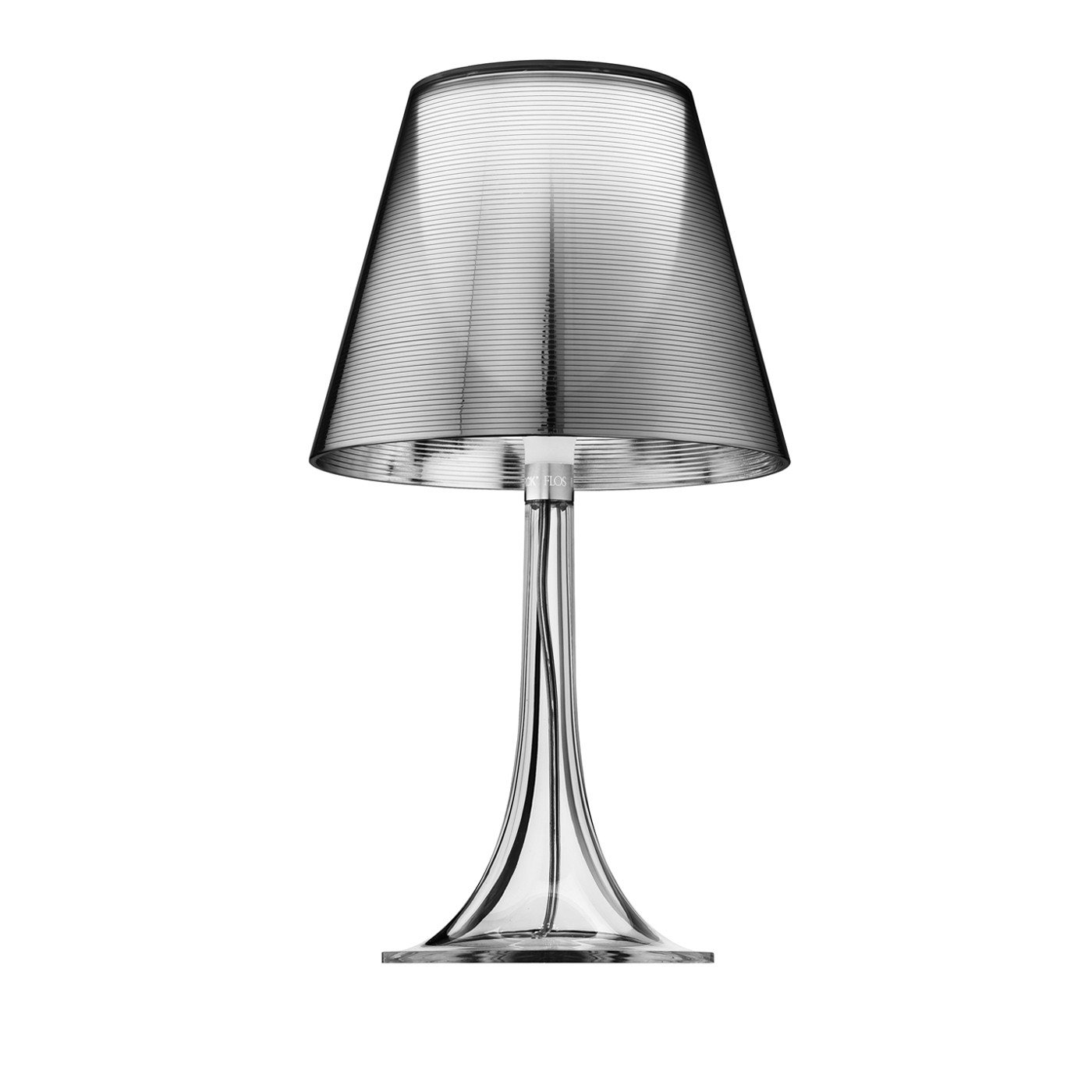
How a Miss Sissi Lamp is Made
Flos
BRANDMADE.TV
06:06
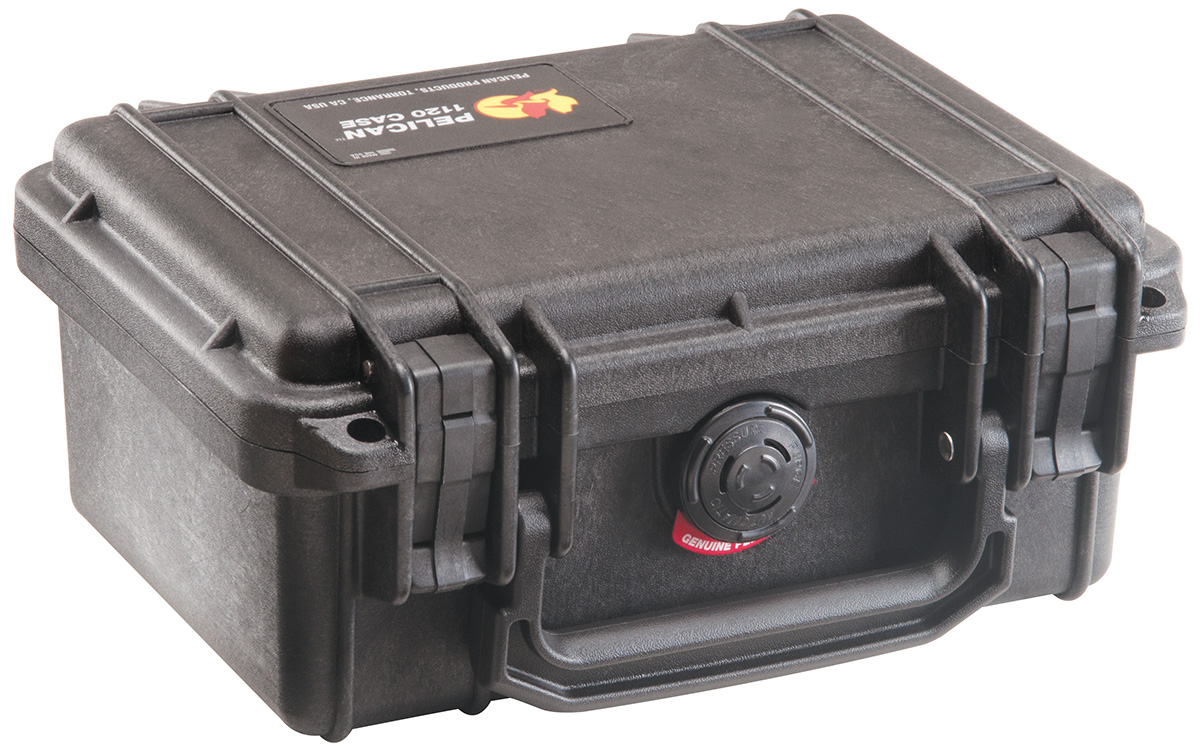
How a Pelican Case is Made
Pelican Products Inc.
BRANDMADE.TV
06:29
How a Thule Cargo Box is Made
Thule Group AB
BRANDMADE.TV
06:23
How a Tupperware Bowl is Made
Tupperware
BRANDMADE.TV
08:13
How an Umbra Garbino Trash Can is Made
Umbra
BRANDMADE.TV
05:51
How a Vitamix Pro Series Blender is Made
Vitamix
BRANDMADE.TV
06:04
How a Zodiac Boat is Made
Zodiac Nautic
BRANDMADE.TV
06:17