

/ Blog

Explore CMTEL’s trends blog featuring searchable and filterable posts.
/ Channels
Explore external links to coating-based materials and design trends.

Core77’s Materials section serves a devoted global audience of industrial designers ranging from students through seasoned professionals.
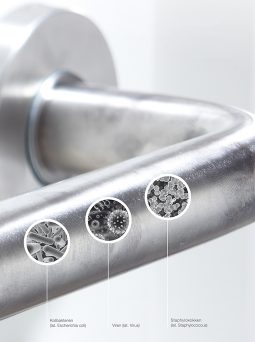



New York based Material Connexion’s libraries and database provide global materials inspiration.



Netherlands based MaterialDistrict’s database, articles and events provide materials inspiration with European emphasis.



UK based Stylus offers reports, webinars, workshops and events for businesses to forecast cross-industry trends and consumer shifts.




Transmaterial is curated by Minnesota based Blaine Brownell, architect and former Fulbright scholar with a focus on emergent materials and applications.

Material
/ Overview
The term “Finishes” brings to mind both the question of protection, and the notion of decoration. Nowadays, finishes are expected to extend their traditional functions: tactile effects (Soft-touch); supply functions; electrical conductivity, or insulation can even be obtained. Some materials (wood, metal) have trouble withstanding thermal and chemical attacks, humidity, mould, rust, UV rays. Other more modern materials, like stainless steel and plastics, for example, integrate their finishes (their protective capacity and their color, for example) into their actual constitution. Industry has a tendency, however, to choose materials predominantly based on their economic properties: effectively, finishing processes are often long and expensive.
Kula & Ternaux – Materiology: the creative industry’s guide to materials and technologies; Finishes (pg 325).

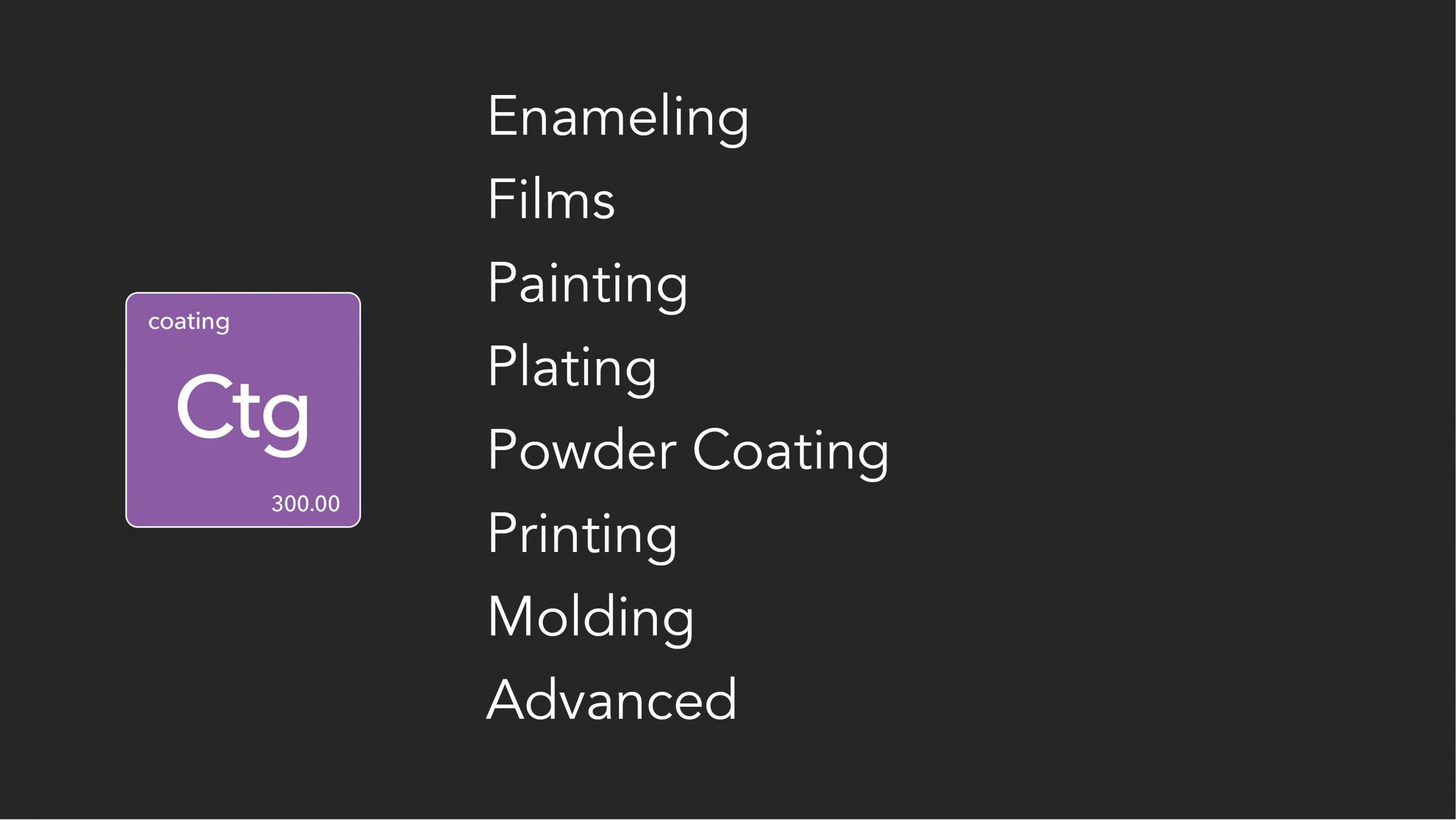
CMTEL’s materials library is organized by a numerical system to identify specific classes within a material family:
Coating is designated 300.00. To see the full taxonomy of polymer scroll to the “Taxonomy” section below. For a complete materials taxonomy visit the CMTEL Taxonomy page.
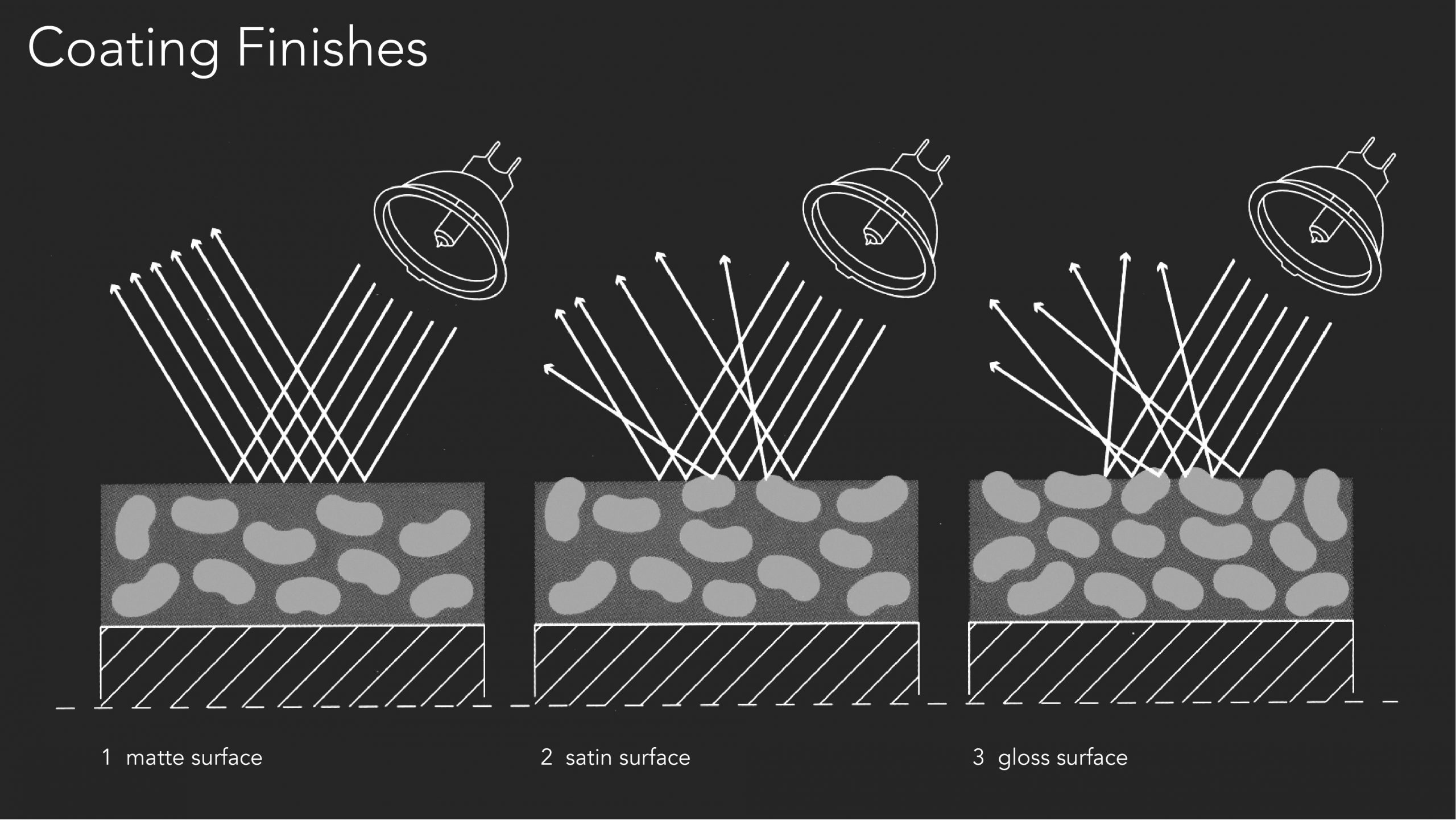
The surface finish of a coating (e.g. paint) will determine its appearance: matte
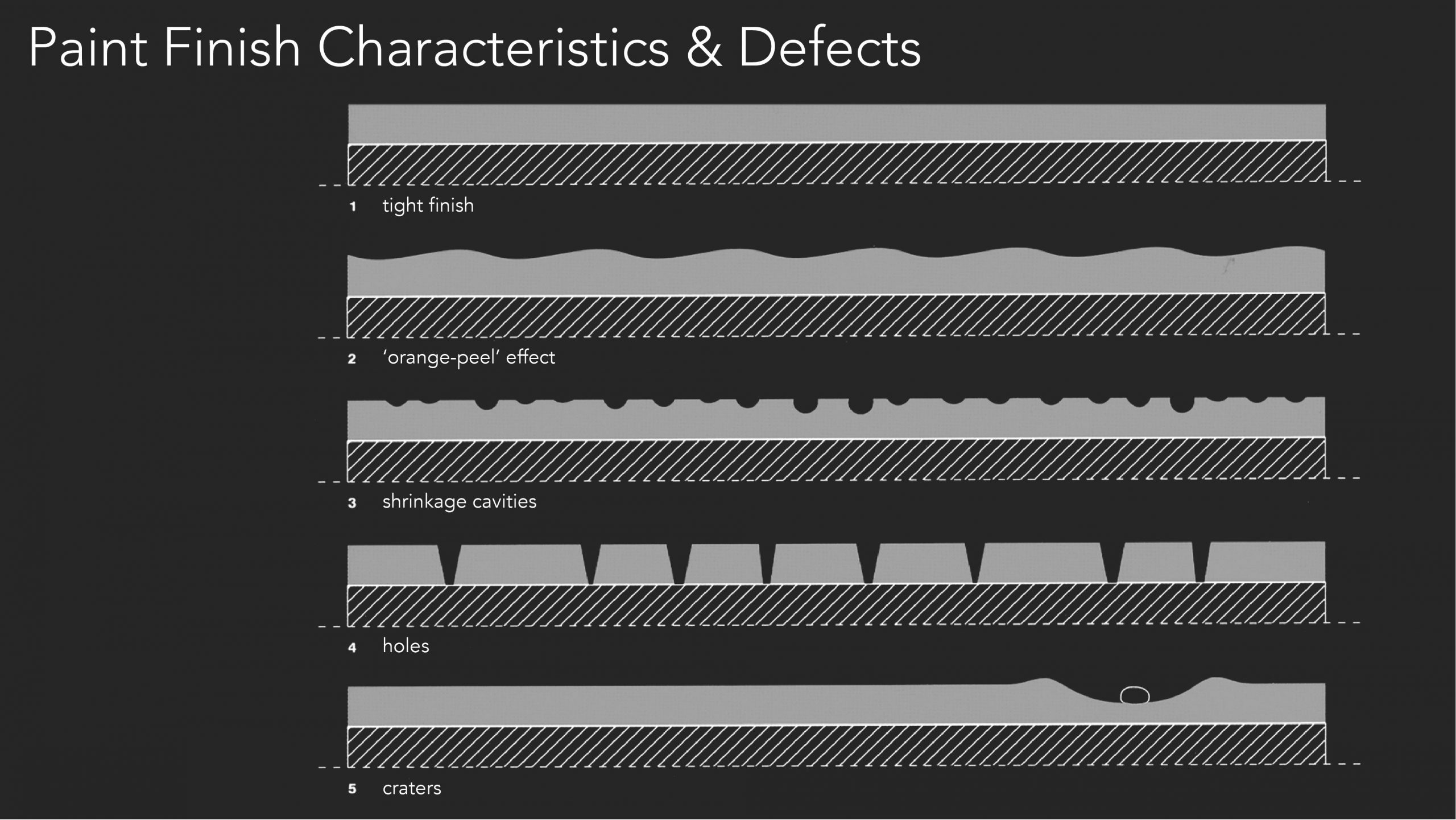
According to the mixture (viscosity), the speed, and the distance of application, a taut painted surface can be achieved. However, defects such as ‘orange-peel’ effect, shrinkage cavities, holes and craters can occur.
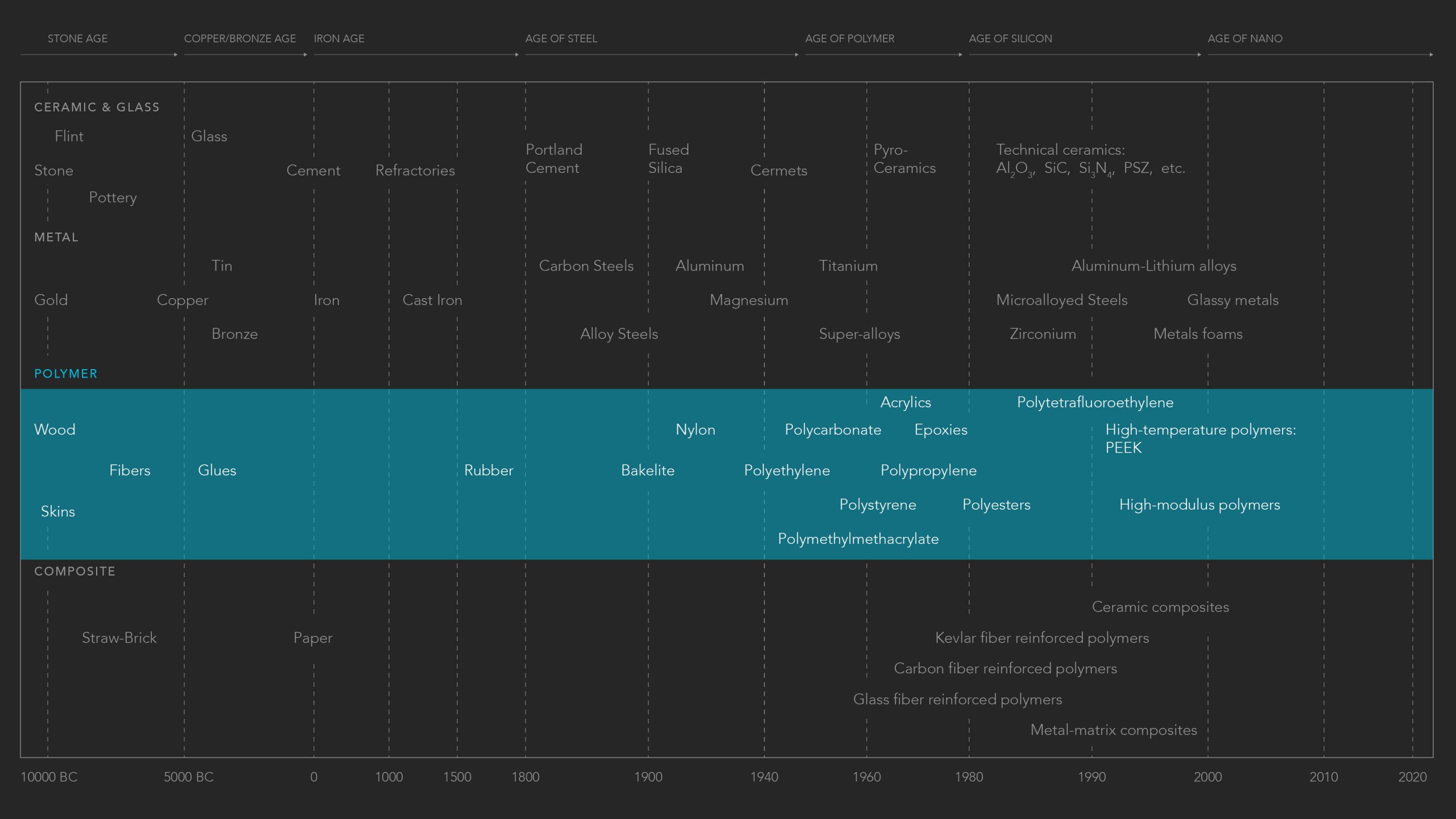
Timeline for coatings?
click on image to enlarge >
/ Taxonomy
Enameling
t
Films
Decorative
Graphic
Protective
Reflective
Flocking
Painting
Solvent-based
Water-based
Pigments
Plating
Anodizing
Electro-plating
Vapor Deposition
Powder Coating
t
Printing
Cubic Printing
Hot Stamping
Pad Printing
Screen Printing
Molding
In-Mold Decoration
In-Mold Labeling
Textiles
Calendering
Immersion
Scraping
Spraying
Further References >
Kula & Ternaux – Materiology: the creative industry’s guide to materials and technologies; Finishes (pp 324-329).
Thompson, Rob – Manufacturing processes for design professionals; Finishing (pp 348-415).
Methods
/ Overview
Finishes and decoration consists of either impregnating the matter with oily substances; leaving a layer of polymer film which acts as a protective screen (paint, varnish); covering with metal (zinc or chrome); or sticking down a related material (bonding of skins, of textiles, and stickers).
There is a wide variety of ways to apply finishes, from hand application (with a cloth, paint brush, large brush, roller, spray gun, or dip-coating) to industrial procedures (electrolysis, in-mold deposits, spraying, powdering, spreading and calendaring).
Kula & Ternaux – Materiology: the creative industry’s guide to materials and technologies; Finishes (pg 325).
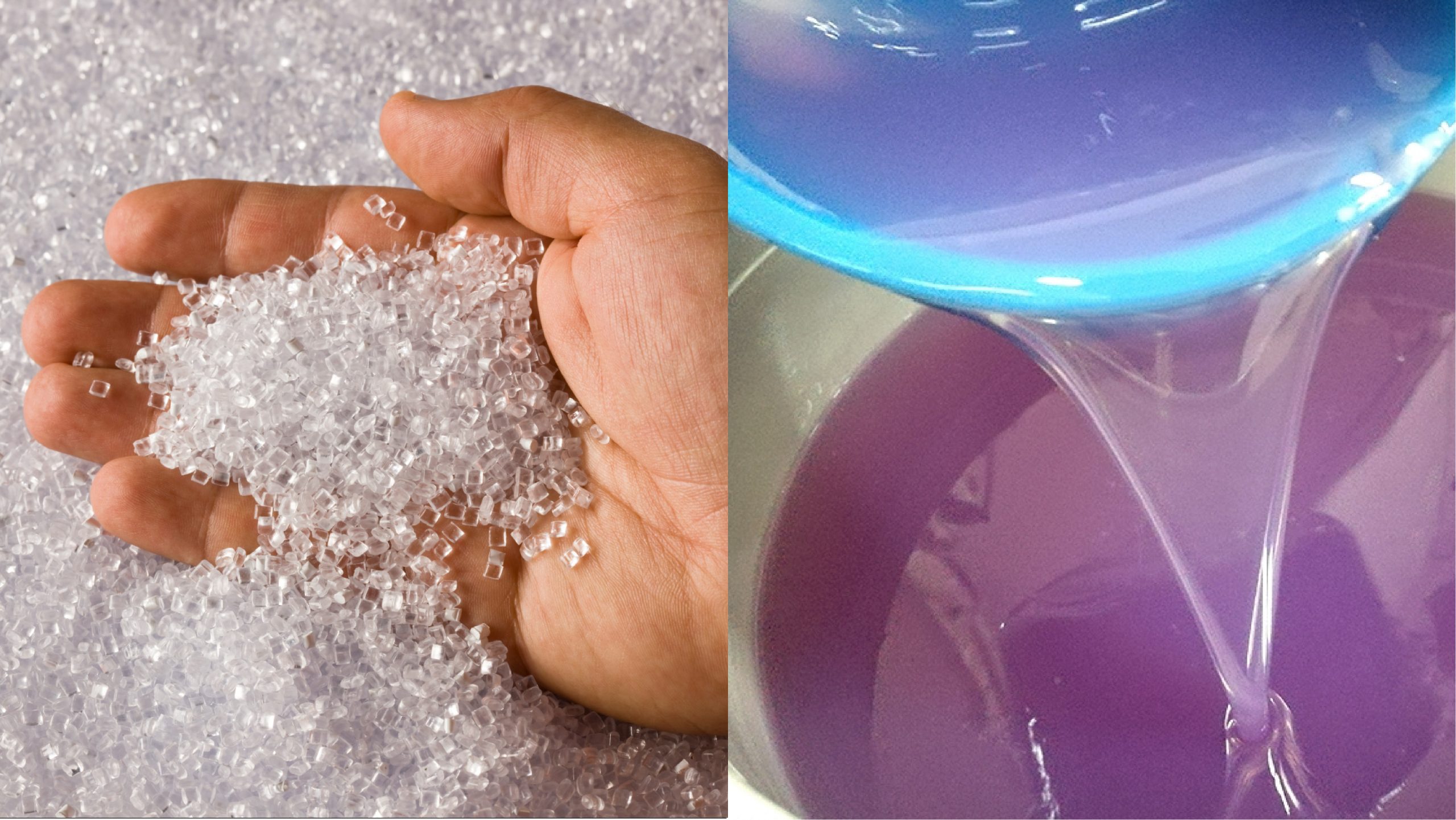
Granulated thermoplastic in pellet form (left), and thermoset resin in liquid form (right). How is Plastic Made?
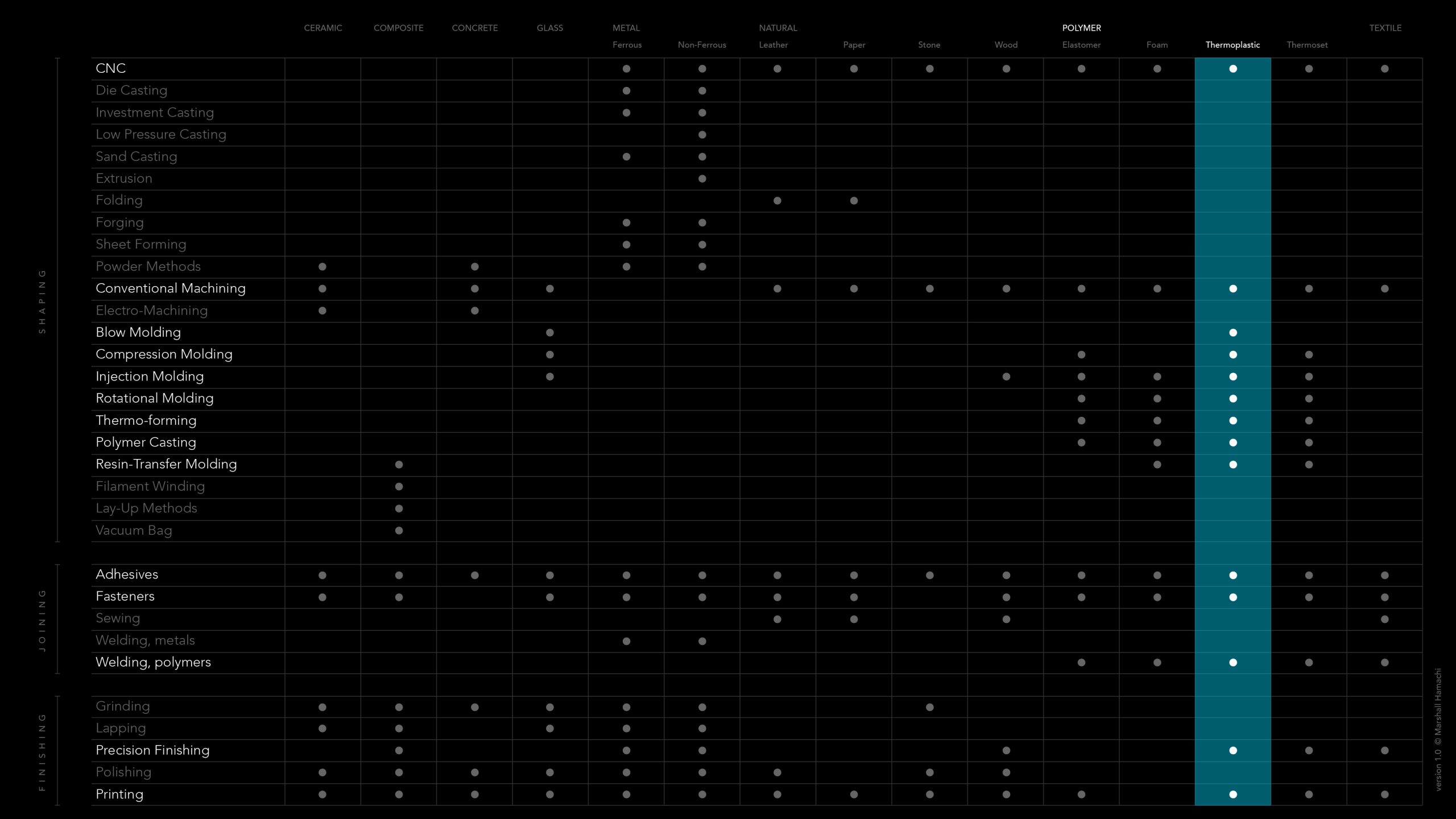
Finishing process methods across material families?
click on image to enlarge >
/ Manufacturing
Shaping
t
Joining
t
Finishing
Additive
– t
Subtractive
– t
Printing
– t
Shaping >
What is Aluminum Anodizing…?
Anodizing
Norsk Hydro
04:36
Traditional Enamel Dial Manufacturing
Enameling
Watches TV
05:27
Types of Industrial Coatings
Coating Formulations
Aexcel Corp.
02:21
Title
Process
Mftr
00:00
Title
Process
Mftr
00:00
Title
Process
Mftr
00:00
Further References >
Kula & Ternaux – Materiology: the creative industry’s guide to materials and technologies; Finishes (pp 324-329).
Thompson, Rob – Manufacturing processes for design professionals; Finishing (pp 348-415).
Thompson, Rob – Manufacturing processes for design professionals; Finishing (pp 348-415).
/ Products
Bang & Olufsen Craft Stories
Anodizing
Bang & Olufsen
01:14
The Most Expensive BMW Paint
Automotive Painting
BMW
03:57
Manual Enameling of a dial
Enameling
Patek Philippe
01:03