

Mineral
– Sedimentary Rock
— Biologic
Database
Material Connexion
MC 7236-01
Manufacturer
U.S. Aragonite Enterprises LLC
Massachusetts, USA
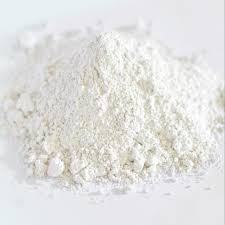
A naturally occurring, renewable mineral that is used as a filler for commodity plastics. This fine powder is added to plastics such as polyethylene (PE) and polypropylene (PP), reducing by up to 40% the amount of plastic used. It is a form of calcium carbonate; an FDA approved food safe mineral in an ‘oolitic aragonite’ crystal structure. It is sourced from a region of the Bahamas basin, 65 miles off the Florida coast. The fine, high surface area structure of the particles is produced by precipitation from Picoplankton (a form of bacteria) as it undergoes photosynthesis in the shallow areas of this part of the ocean. The material is dredged from the seabed, cleaned and dried before being bagged for use. The Picoplankton actually mineralize dissolved carbon dioxide from the seawater, reducing the carbon content contained there. This process also produces more organic material that gives off more oxygen. The estimated effect of this photosynthesis is the sequestration (capture) of up to 5,700 tons of carbon per year in this region. The structure of the aragonite is much more convoluted and fibrous than standard calcium carbonate used as a filler for plastics, enabling greater bonding between the two materials, and improved amounts of loading (up to 40%) and enhanced physical properties of the loaded plastic. The material is white in color, but not visible once incorporated into the final plastic component. The aragonite is added to plastics such as PE, PP, acrylonitrile butadiene styrene (ABS), polystyrene (PS) and polyvinyl chloride (PVC) to reduce plastic content and reduce cost. Applications include additives for food and beverage packaging, blown film bags, dental and medical implements, food service items and larger molded containers.