

What is a Lab Assistant?
The Lab Assistant will enable CMTEL operations toward the lab’s goal of creating student learning experiences focused on CMF Design, informed by key research trends, and incorporating design for sustainability.
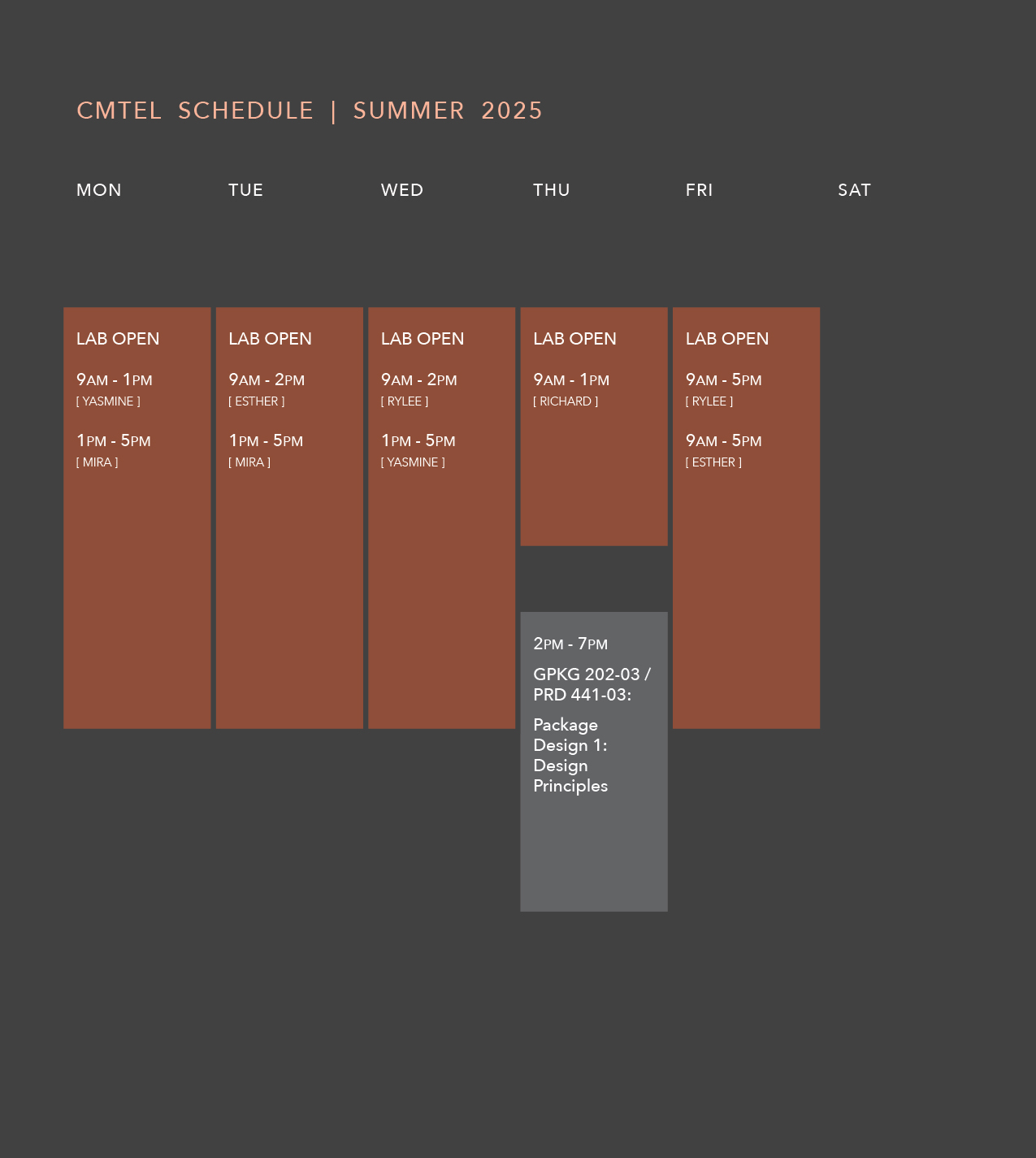
This role supports the lab’s director and fulfills any combination of monitoring lab usage, managing tools and resources, and developing displays, exhibits and online resources.
2025 Summer Lab Assistants:
– Aiden Ramali (Transportation)
– Esther Kim (Spatial Experience)
– Mira Bhardwaj (Product)
– Richard Saldana (Transportation)
– Rylee Kang (Graphics)
– Yasmine Gutierrez (Product)
Lab Assistant Roles
Projects
Biomaterials Initiative
The initiative has two pathways for development. First, CMTEL’s bio-based material samples needs to grow. Searching for bio-based materials primarily through Material Connexion, Material District, Tocco Earth, and Materiom will enable the identification and classification of more bio-based materials. Second, researching the Materiom network will help inform possible biomaterials prototyping at ArtCenter.
The design goal is to establish a robust and growing collection of bio-based materials to inspire students to consider alternatives to conventional industrial materials. In addition, we want to learn and gain competency in developing a space for prototyping bio-based materials.

Development Factors
A database of creators and suppliers must be established.
Eventual taxonomy will be established so students will understand how bio-based materials are categorized.
Will special archiving be required for organic samples (e.g. specimen jars, airtight storage, etc)?
Digital Materials Area
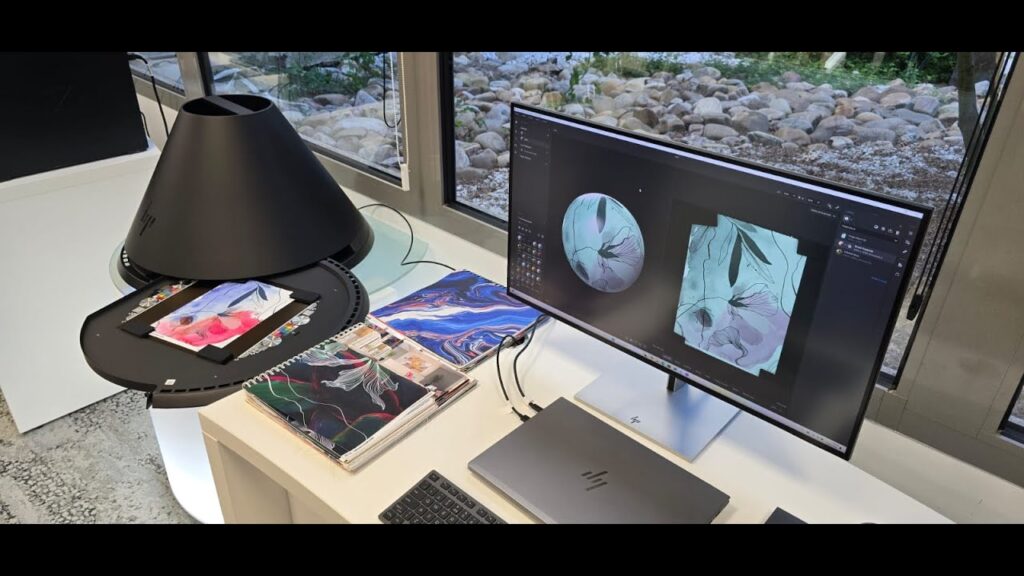
The south wall space adjacent to the entrance of the materials collection will be developed to enable materials scanning, as well as showcase best of student projects from Nick Sharma’s Adobe Substance classes. It is also meant to acknowledge Hewlett-Packard’s donation of the Z Captis scanner and workstation(s).
The design goal is to create a working space for students to use the HP Z Captis scanner to capture leading edge scans of physical materials. These scans would then be used for rendering or further development as digital materials.
Development Factors
HP workstation specs have to be clarified.
Signage graphic design, printing, mounting to falcon board required.
Determine any special lighting requirements.
Match area signage (e.g. metal lettering) to other lab areas.
Materials Collection
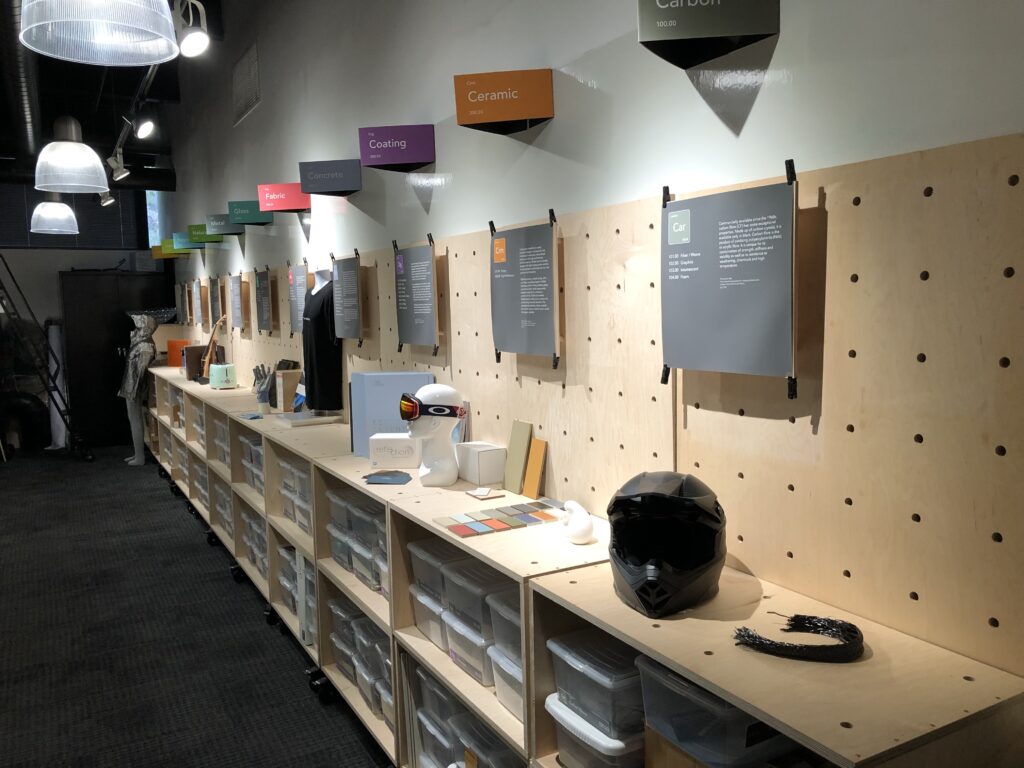
The existing materials collection requires curation and a strong effort to bring in new material samples across all material families. This will require all Lab Assistants to dedicate time for researching, requesting and updating samples inventory.
The design goal is to update the collection with exciting new materials as well as consider how to communicate the addition of new materials both in the lab and to the college as a whole.
Development Factors
Determine system to allocate research work using Material Connexion, Material District and Tocco Earth databases.
Determine process to identify and log candidate materials into online spreadsheet for tracking purposes.
Determine process for contacting and requesting materials from manufacturers.
Consider alternative formats for mounting sample and not circulating for checkout.
MxDfS Display Update
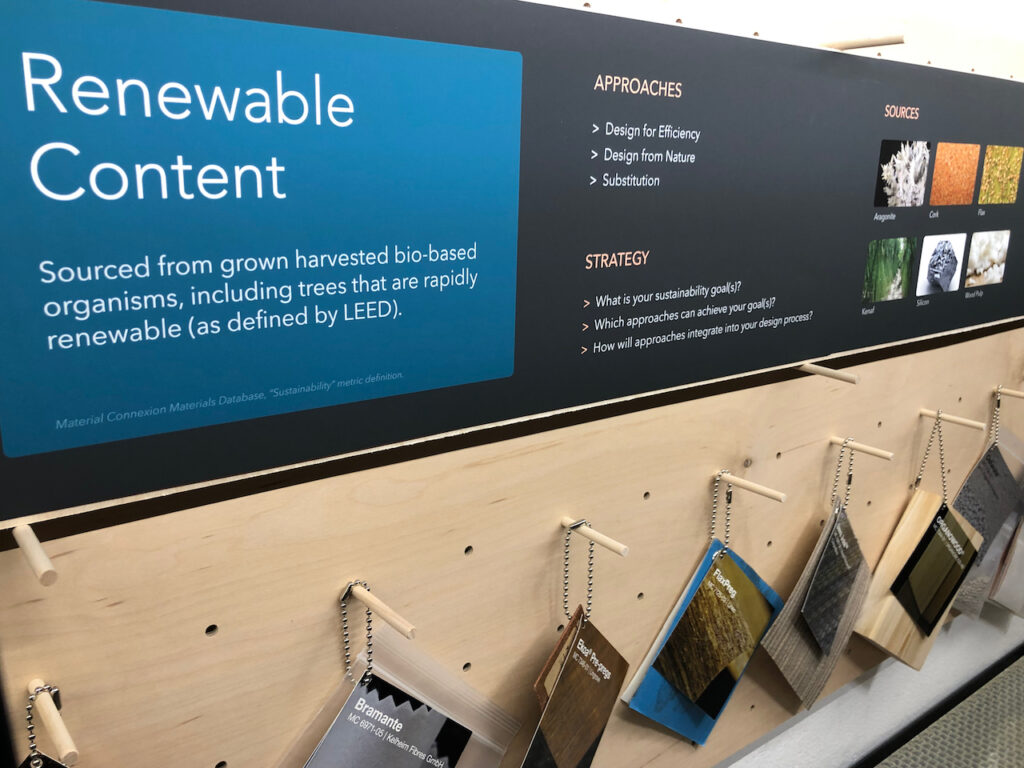
The Materials x Design for Sustainability display needs updating. Newer materials need to be discovered and obtained using existing online materials databases (e.g. Material Connexion).
The primary design goal is to update the material samples within each sustainability category. A secondary objective is to rethink the current layout toward a more ’tile-like’ format across categories, with samples being non-removable. One reference is to the biomaterials trend tiles under development.
Development Factors
CMTEL’s materials collection database must be updated with any new materials added.
Similar system and process considerations as Materials Collection for identifying, logging, contacting, requesting samples.
CMTEL@Mobility Experience Lab
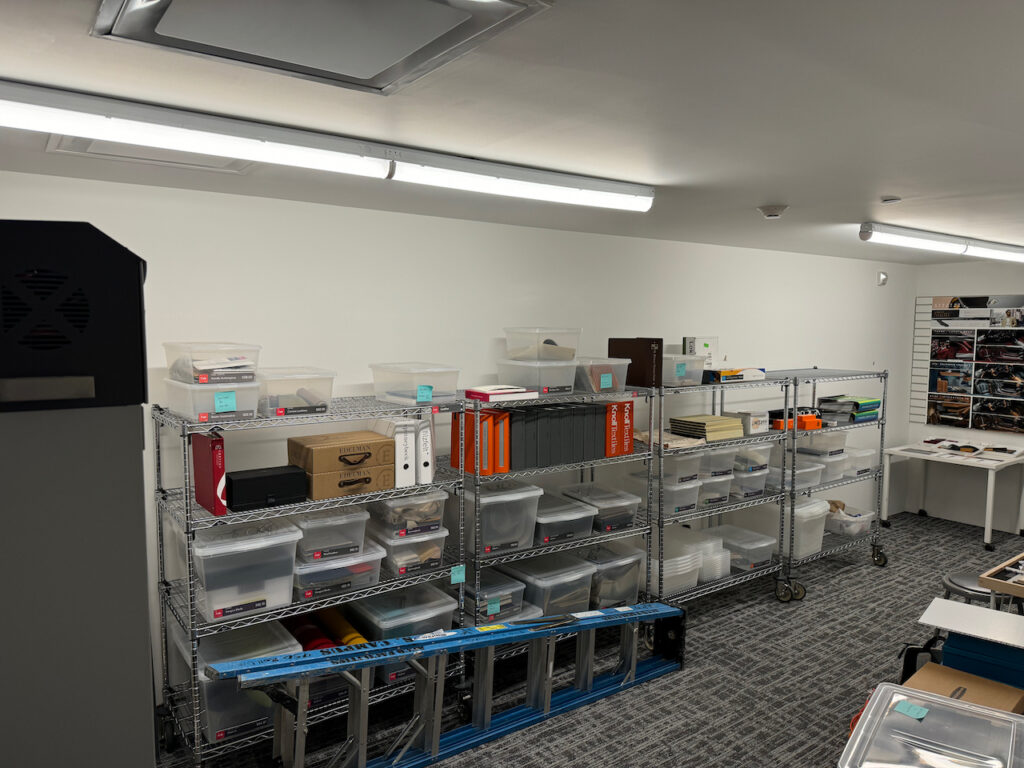
The initial setup of CMTEL’s satellite was similar to the original CMTEL emphasizing a variety of material families and samples stored in labeled bins. Unfortunately, the satellite space is very small and requires a different approach. Now, we intend to prototype a variety of visual formats which incorporate physical samples.
The primary design goal is to develop a more visually inspiring and stimulating environment for students to learn about emerging color and material technologies. There should be numerous samples with accompanying explanations and ideally examples of industry design projects.
Development Factors
Initial rough mockups are required to get a sense of proportion in the space; more specifically, how tall and how wide should large visuals be? What about the base unit (square or rectangle) in the “tile concept”?
How can we use the inside of the large door for visuals?
What kind of different storage furniture could be used instead of metal wire carts?
How could storage furniture or shelving be applied along the curved wall?
How can we go through the storage boxes (with Material Connexion tableaus) to determine what we keep or not and then relocate to free up space?
Packaging Design Display
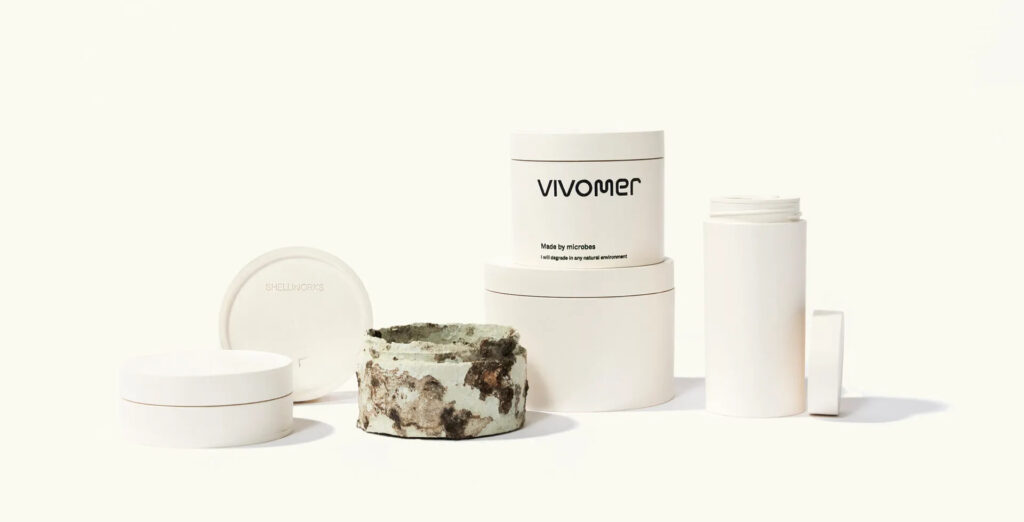
The three carts of Dieline Awards packaging design winners located in the lab’s southeast corner will be reduced in amount, curated and supported with explanation signage. Graphics faculty Dale Foronda will be consulted moving forward.
The design goal is to curate examples which embody Design for Sustainability principles, and provide an explanation system for students to understand when the award was given and how they may link to the product’s online presence for more information.
Development Factors
Dale Foronda must be contacted, made aware of the project and asked for input about the design goal.
There should be signage explaining the exhibit with link to the Dieline Awards.
Displayed samples should indicate year and sustainability characteristics as well as QR code link to either Dieline website or brand website.
Packaging samples not used should be stored in large bins (in the 225 closet) and labeled according to year and category.