

〝Brown is the ultimate earth color associated with hearth and home, substance and stability.〞







CMTEL Blog /
Trends in Brown:

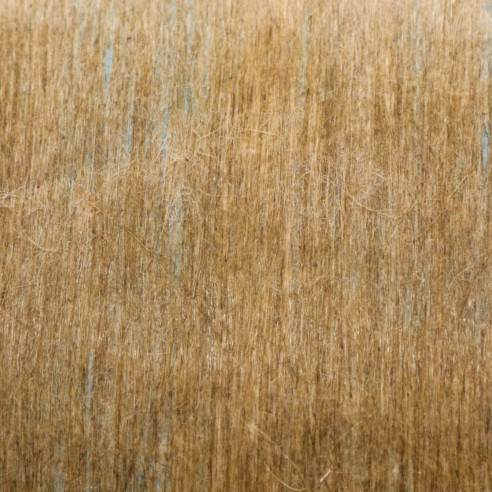
Hue
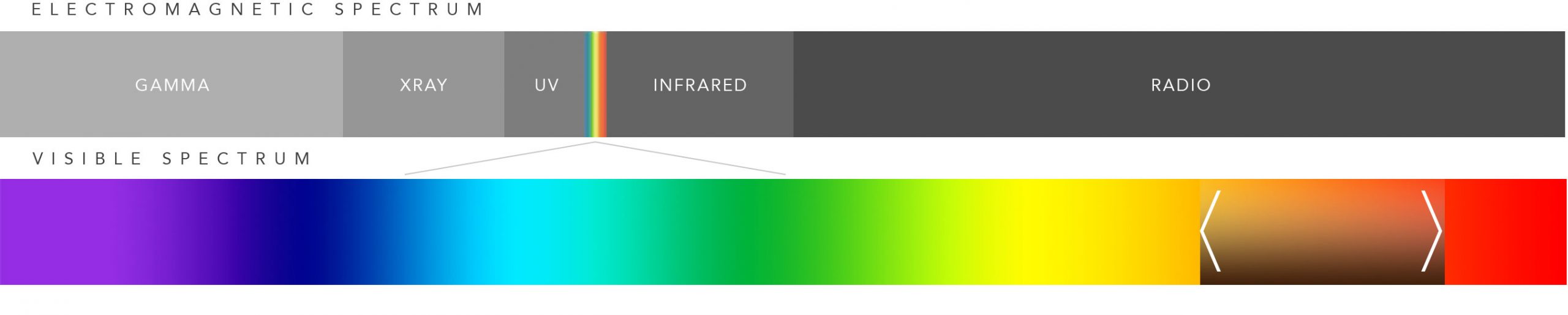
/ Overview
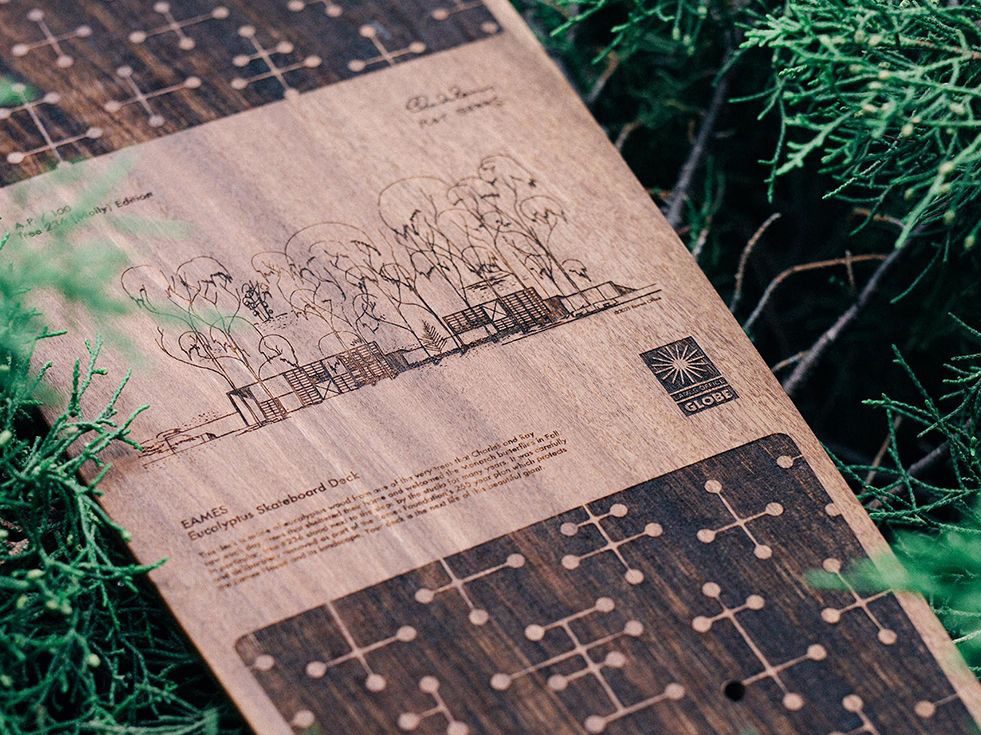
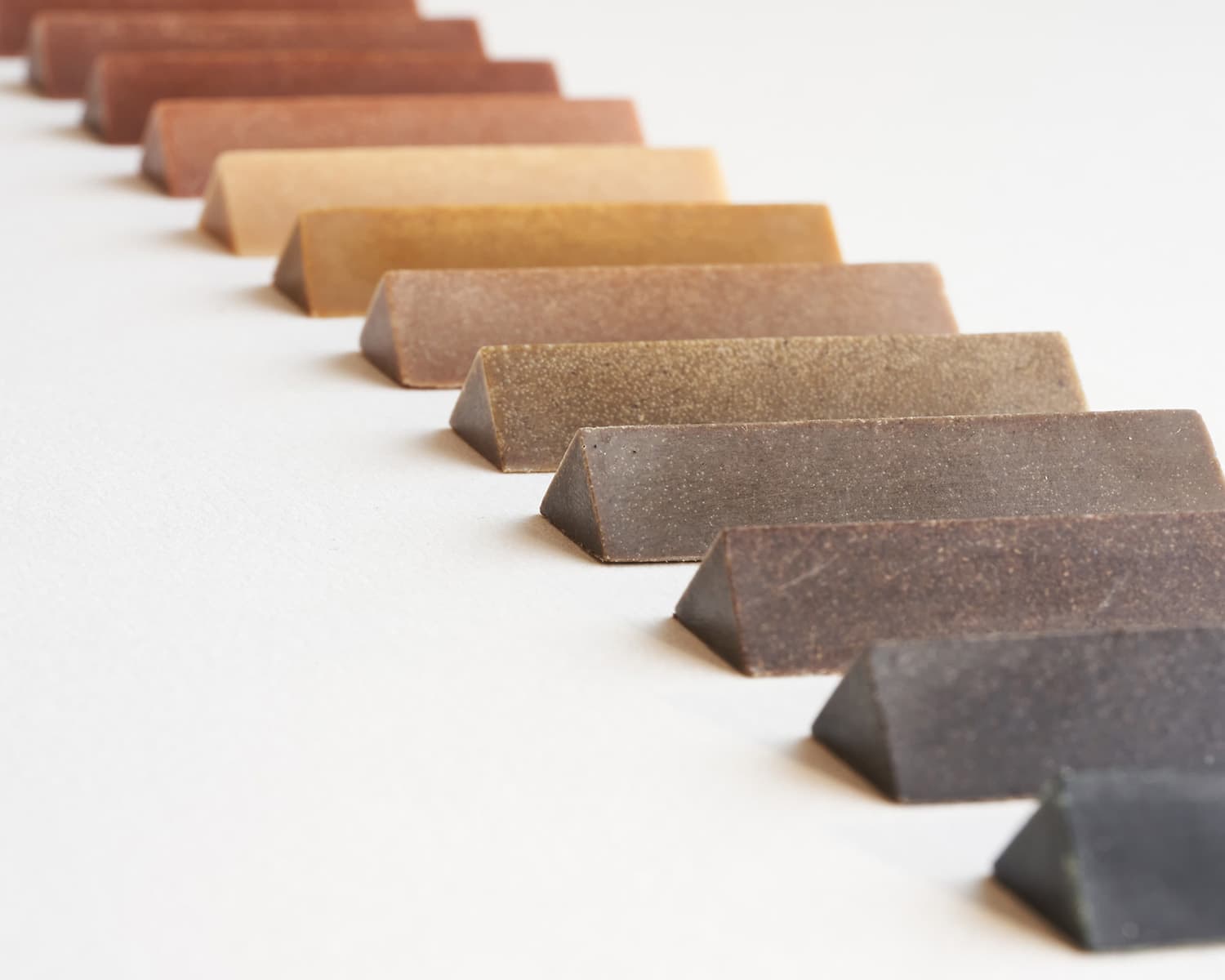
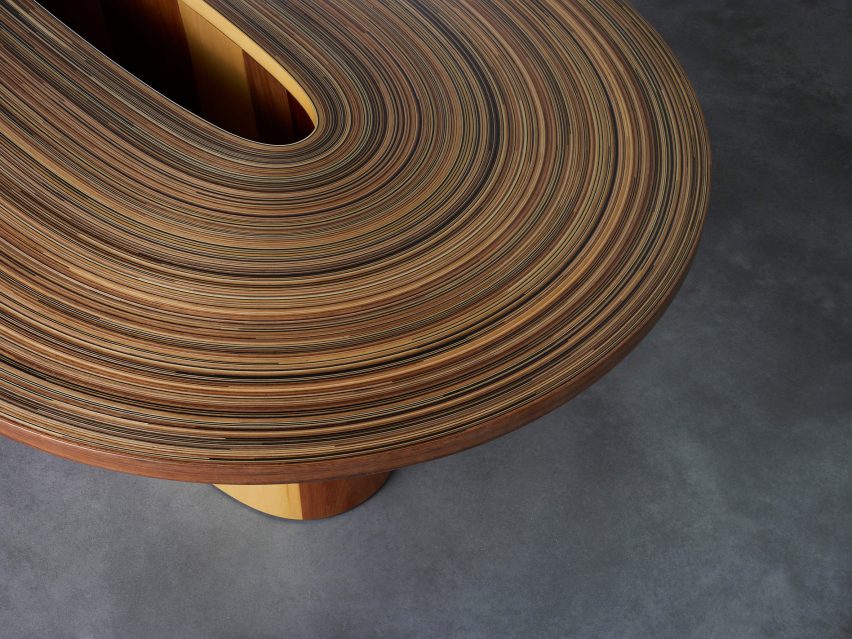
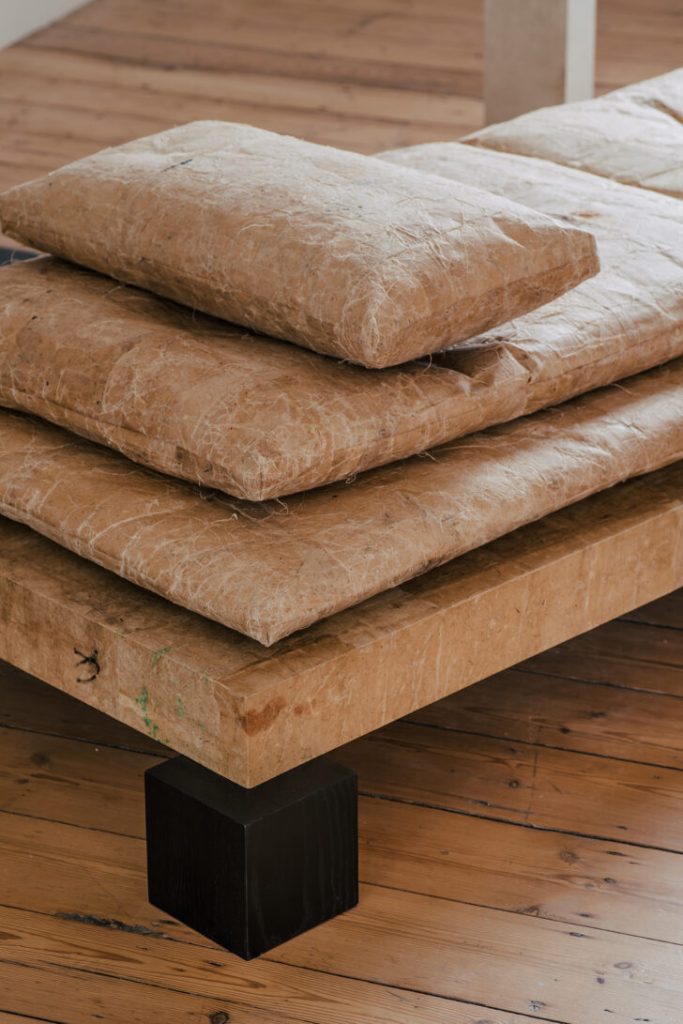
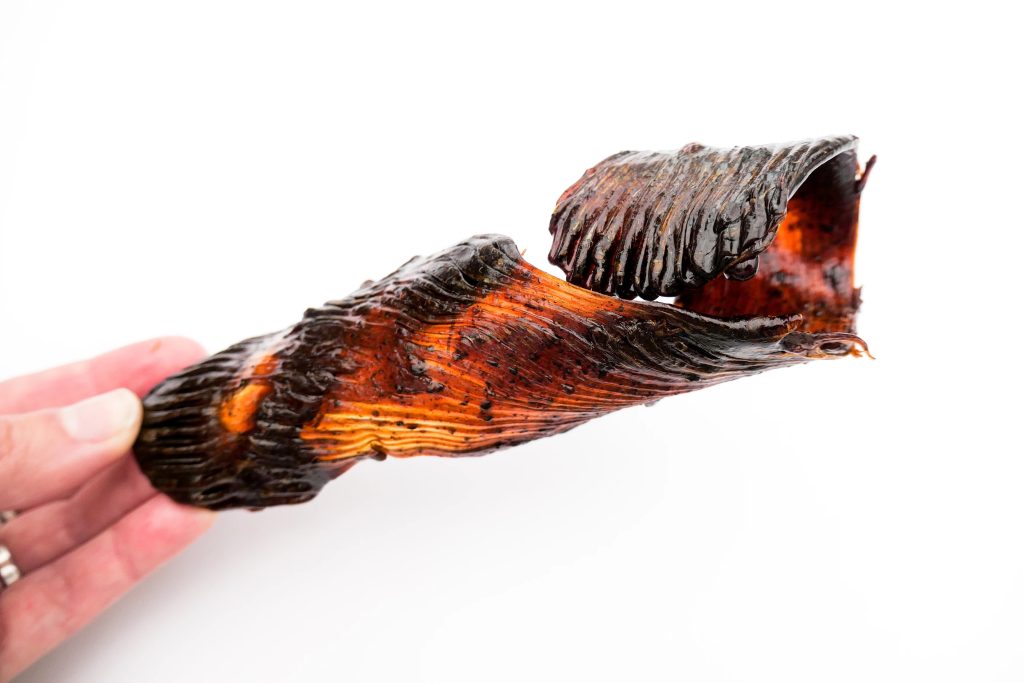
Brown is the ultimate earth color associated with hearth and home, substance and stability.
Historically, brown is revitalized in cost-conscious periods because of its association with a down to earth durability. More than any other color, brown must be thought of in terms of usage. and context. The various tones of brick, brown, tan, clay and terracotta are seen as the most rooted, protective and secure of all shades because they are inevitably connected to the earth. The color of earth generally elicits a positive response, however, some consumers relate to brown as dirt or dirty–not a pleasant association that has often been problematic in the fashion industry.
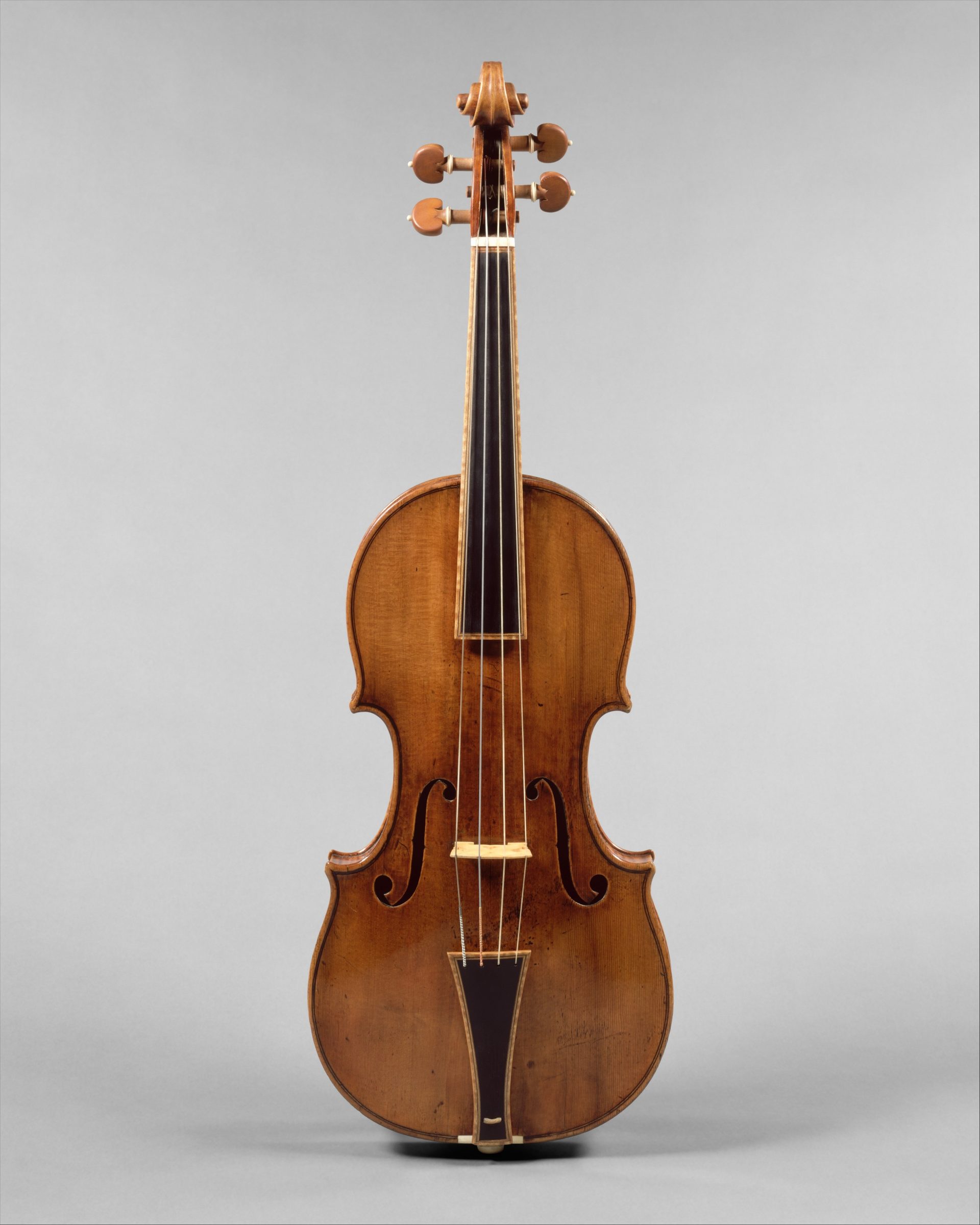
More recently brown has earned greater visibility and respect due in large part to the panache of designer coffees like richly brewed espresso or the. deeply polished patinas of brown leathers in both the stylish worlds of fashion and interiors.
Eiseman, Leatrice – Pantone Guide to Communicating with Color; Brown (pp 34-36).
Brown Color Schemes

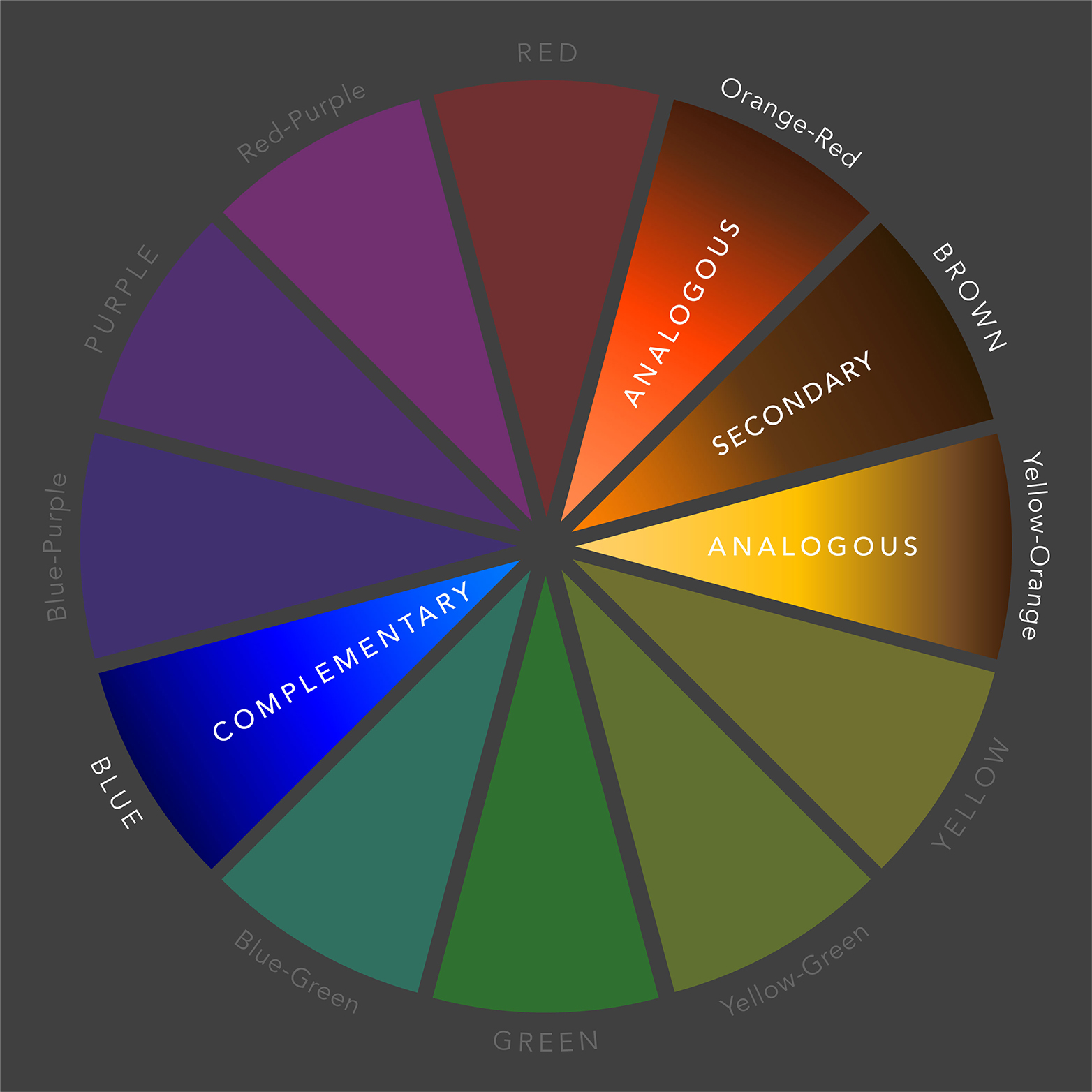
Monochromatic
Use Brown in a variety of values.

Analogous
Use Brown’s neighboring color families.

Complementary
Use Brown’s opposing color family.

Adobe’s Color Wheel (or image in Extract Theme tab) can be used to generate color palette, which can be saved into Creative Cloud, after signing in. You can then use your saved color palettes in Adobe products (Photoshop, Illustrator, Fresco, etc.), via CC Libraries.
Further References >
St. Clair, Kassia – The Secret lives of color; Brown (pp 236-257).
Varichon, Anne – Colors: What they mean and how to make them; Brown and Black (pp 216-267).
Pantone – Color Finder
Finishes
/ By Material Family
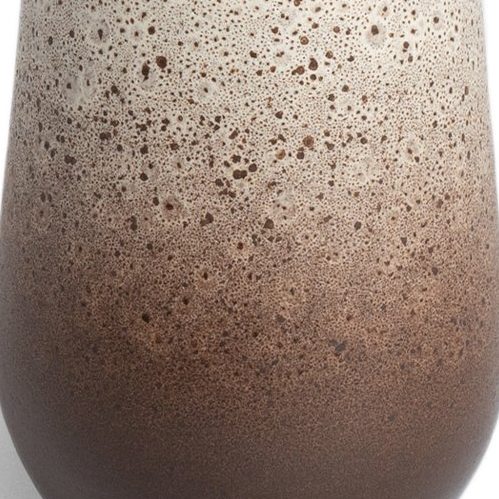
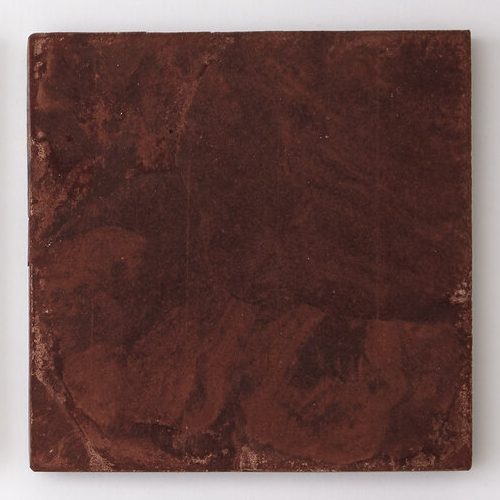
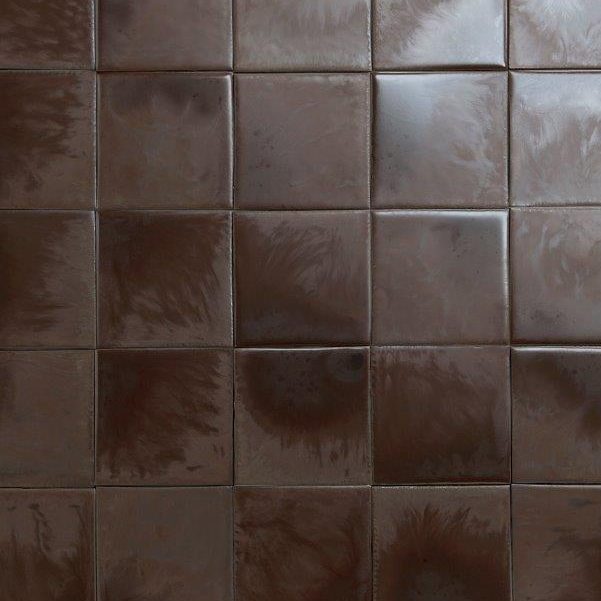
Ceramic
Metal carbonates/oxides are added to a glaze or clay and produce color when fired.
Fabric
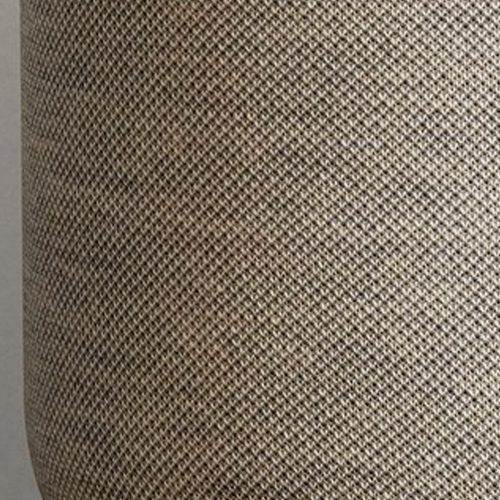
Dyes are soluble colored compounds suspended in a medium. Dyeing colors textile fibers or the surface of a textile.

Glass
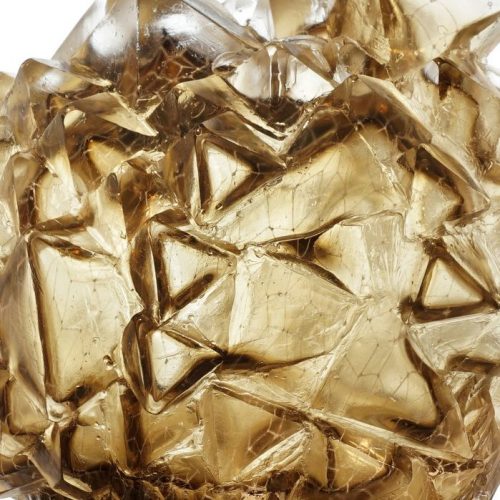
Glass can be colored with metal/oxide additives, fired enamels, and specialty coatings.
Metal
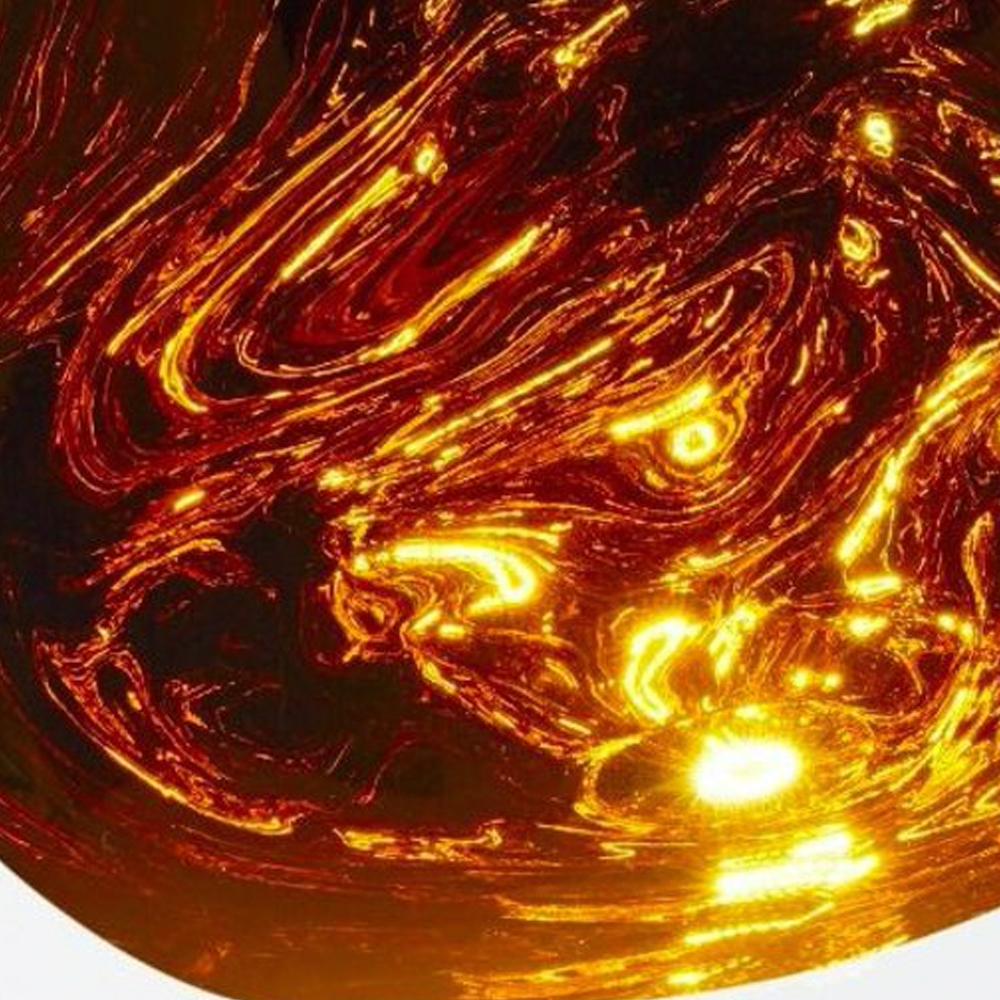
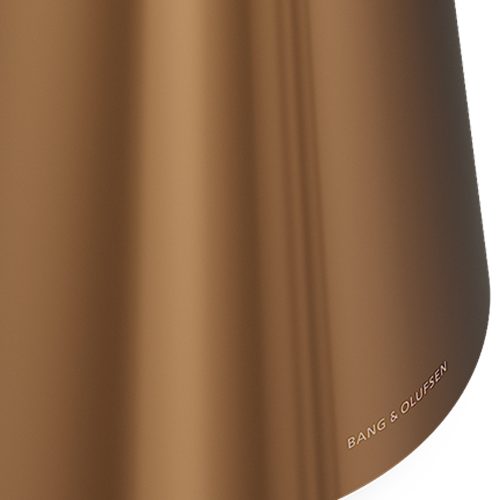
In addition to their natural hue, metals can be colored through coating processes.


Natural
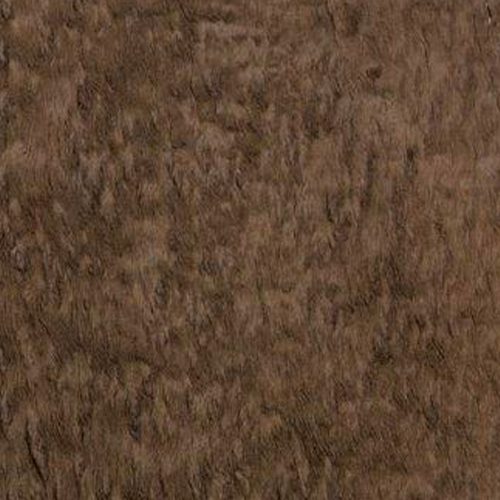
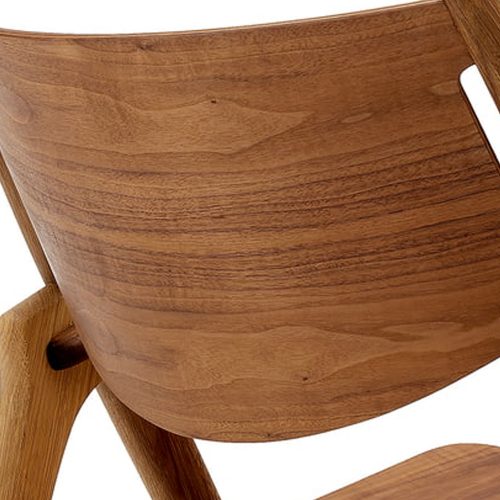
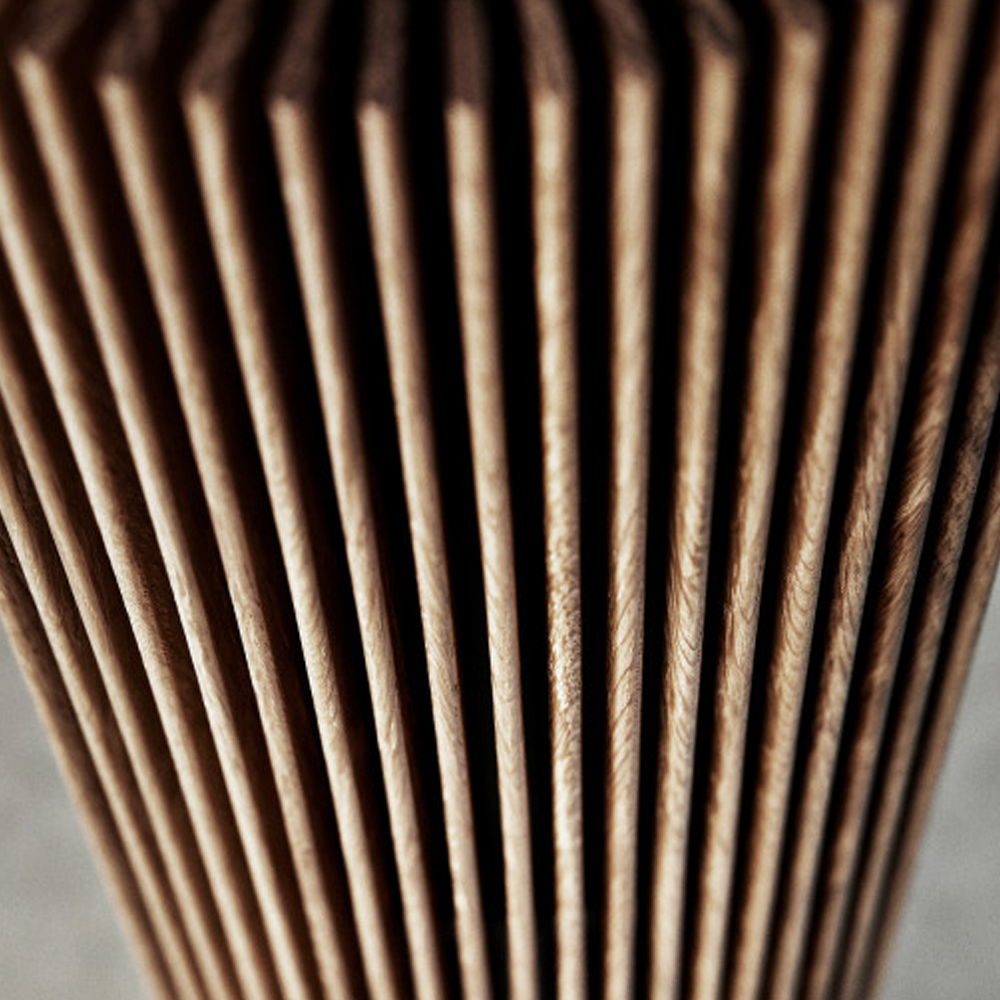
The extensive range of natural materials can be colored with coatings, dyes, and pigments.
Polymer
Chemical compounds in the form of dyes or pigments are additives used to color plastics.


Methods
/ Overview
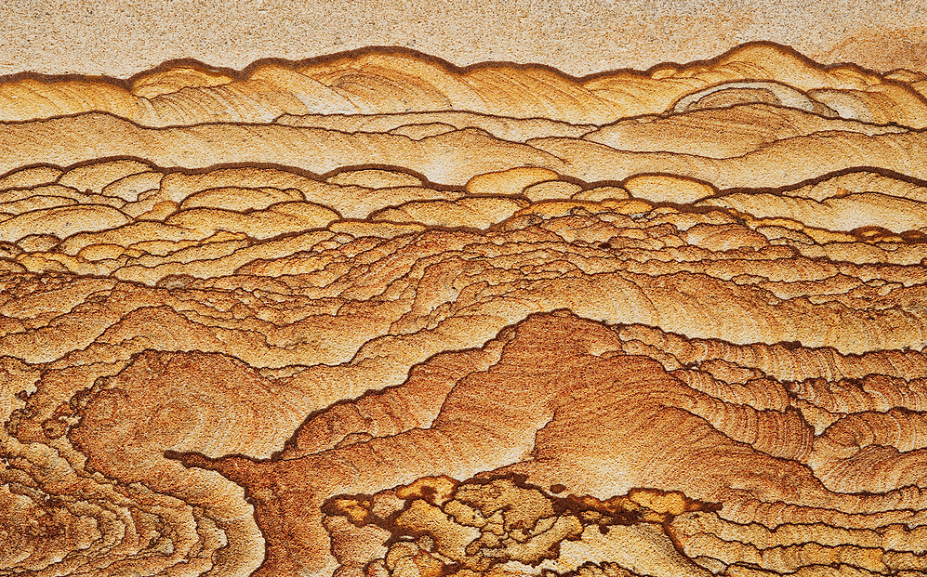
One might think that the rocks, plants, and animals with whom we share the earth could supply us with many coloring agents, but in fact few are suitable. The chlorophyl that gives vegetation its rich green yields, when extracted from the plant, is an unstable tinting agent that fades and disappears in a matter of hours. None of the vibrant colors of the peacock’s striking plumage can be transferred to any other material. Fortunately, nature abounds with a generous supply of other organic and inorganic substances, whose colors are transferrable to a variety of supports. Most natural earths get their color from the mineral iron, which is found abundantly in the earth’s crust in a wide variety of tones: red and yellow ochers, green earths, and hydrated iron oxides of greater or lesser purity.
Pigments are pure colors in powder form, which must be suspended in a medium in which they are insoluble (such as oil) in order to make paint. The size of individual powder particles varies from 0.01 to 1 micron. When greatly magnified in an optical or electronic microscope, individual particles of pigment may be seen suspended across the medium they color.
Cloth (or fabric) is colored with another family of materials: dyes. Dyeing is the coloring of textile fibers or the surface of a textile. Dyes are soluble colored compounds suspended in a medium.
For a long time, applied-research chemists sought to isolate and characterize the principles of dyeing. As they began to succeed, the vast possibilities offered by chemical synthesis overwhelmed the colorant market. Large-scale agricultural production of dye plants gave way to the manufacture of synthetic pigments and dyes.
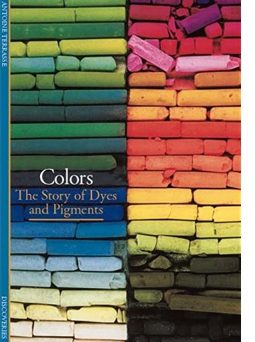
Delamare & Guineau – Colors: The story of dyes and pigments (pp 14-19, 98).
/ Pigments
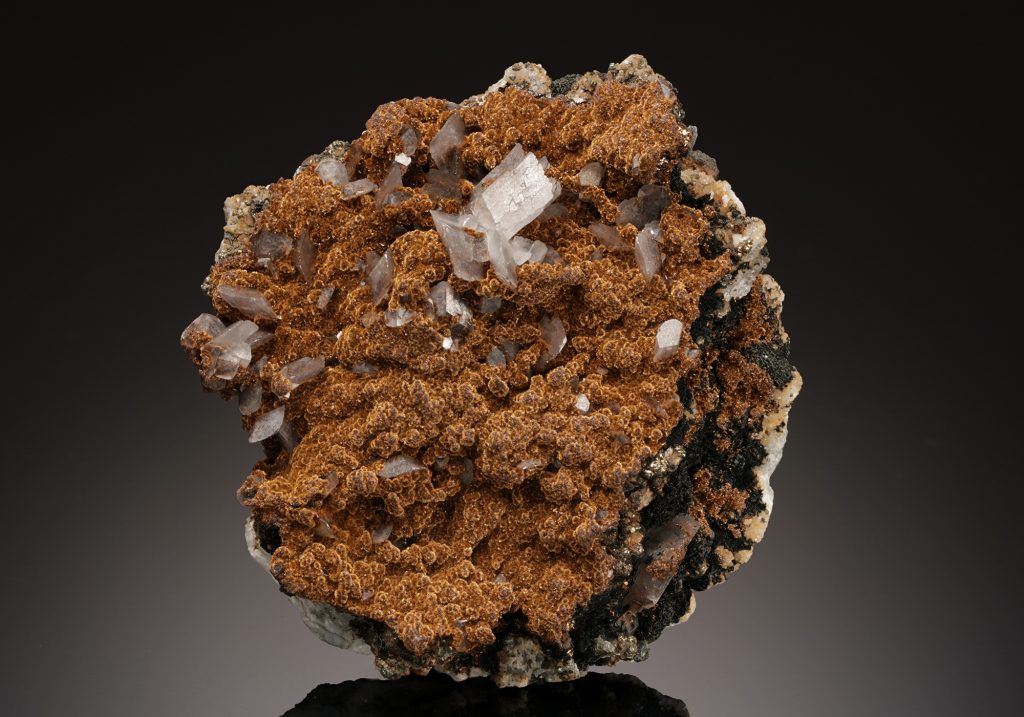
Daniel Smith Extra Fine Watercolor
Goethite-Brown Ochre 144 Series 1
Ken Bromley Art Supplies
0:20