
/ Blog

Explore CMTEL’s trends blog featuring searchable and filterable posts.


/ Channels
Explore external links to glass-based materials and design trends.
Core77’s Materials section serves a devoted global audience of industrial designers ranging from students through seasoned professionals.

New York based Material Connexion’s libraries and database provide global materials inspiration.

Netherlands based MaterialDistrict’s database, articles and events provide materials inspiration with European emphasis.

UK based Stylus offers reports, webinars, workshops and events for businesses to forecast cross-industry trends and consumer shifts.

Transmaterial is curated by Minnesota based Blaine Brownell, architect and former Fulbright scholar with a focus on emergent materials and applications.
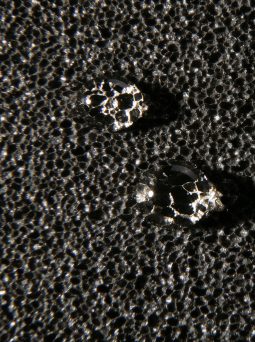
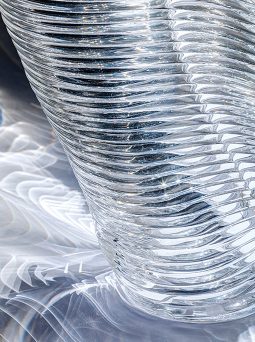
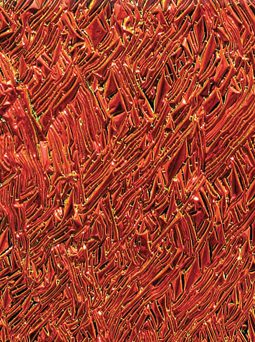
Material
/ Overview
Discovered by the Egyptians and perfected by the Romans, glass is one of the oldest of man-made materials. For most of its long history it was a possession of the rich—as glass beads, ornaments and vessels, and, of course, glass as glaze on pottery. Its use in windows started in the 15th century but it was not widespread until the 17th… Glass is a mix of oxides, principally silica, SiO2, that does not crystallize when cooled after melting. When pure it is crystal-clear, but it is easy to color by adding metal oxides.
Ashby & Johnson – Materials and Design: The art and science of material selection in product design; Glass (pg 204).
There are several different glasses and the exact ingredients differ slightly according to location, processing plant and application. The most common glass, soda-lime glass, is widely used in design, architecture and jewelry. Other glasses are more expensive and so tend to be used only when necessary. For example, borosilicate glass is more resistant to high temperatures than soda-lime glass and so is used in kitchenware and laboratory products. Glass ceramic is even more resistant to chemicals, high temperature and thermal shock, and is used in glass cooker tops as well as industrial applications.
Thompson, Rob – Manufacturing processes for design professionals; Glass (pg 483).
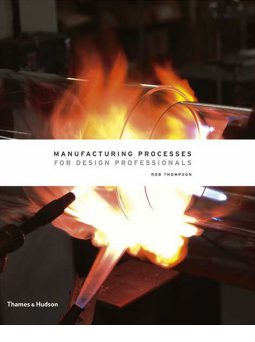
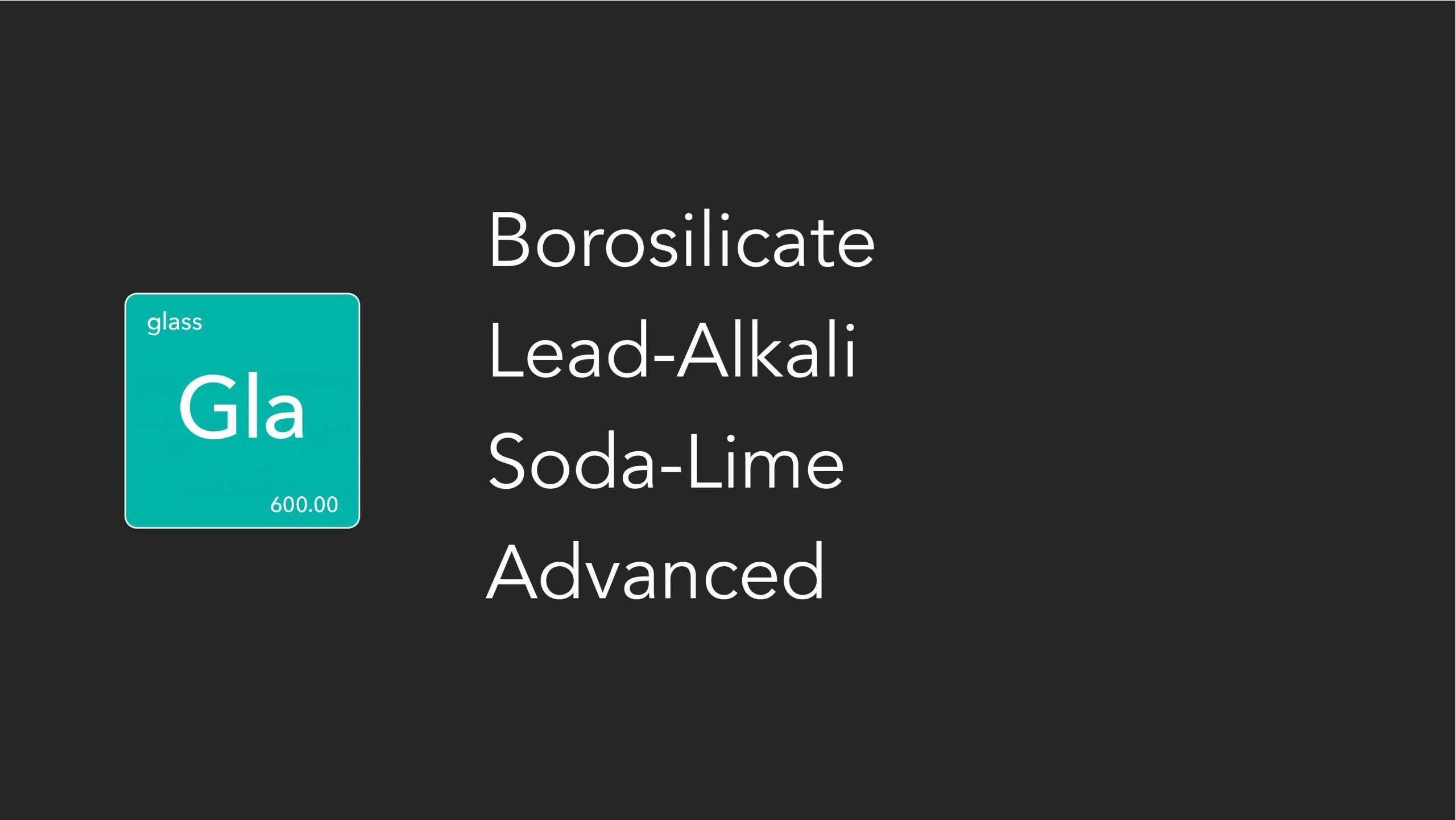
CMTEL’s materials library is organized by a numerical system to identify specific classes within a material family:
Glass is designated 600.00. To see the full taxonomy of polymer scroll to the “Taxonomy” section below. For a complete materials taxonomy visit the CMTEL Taxonomy page.
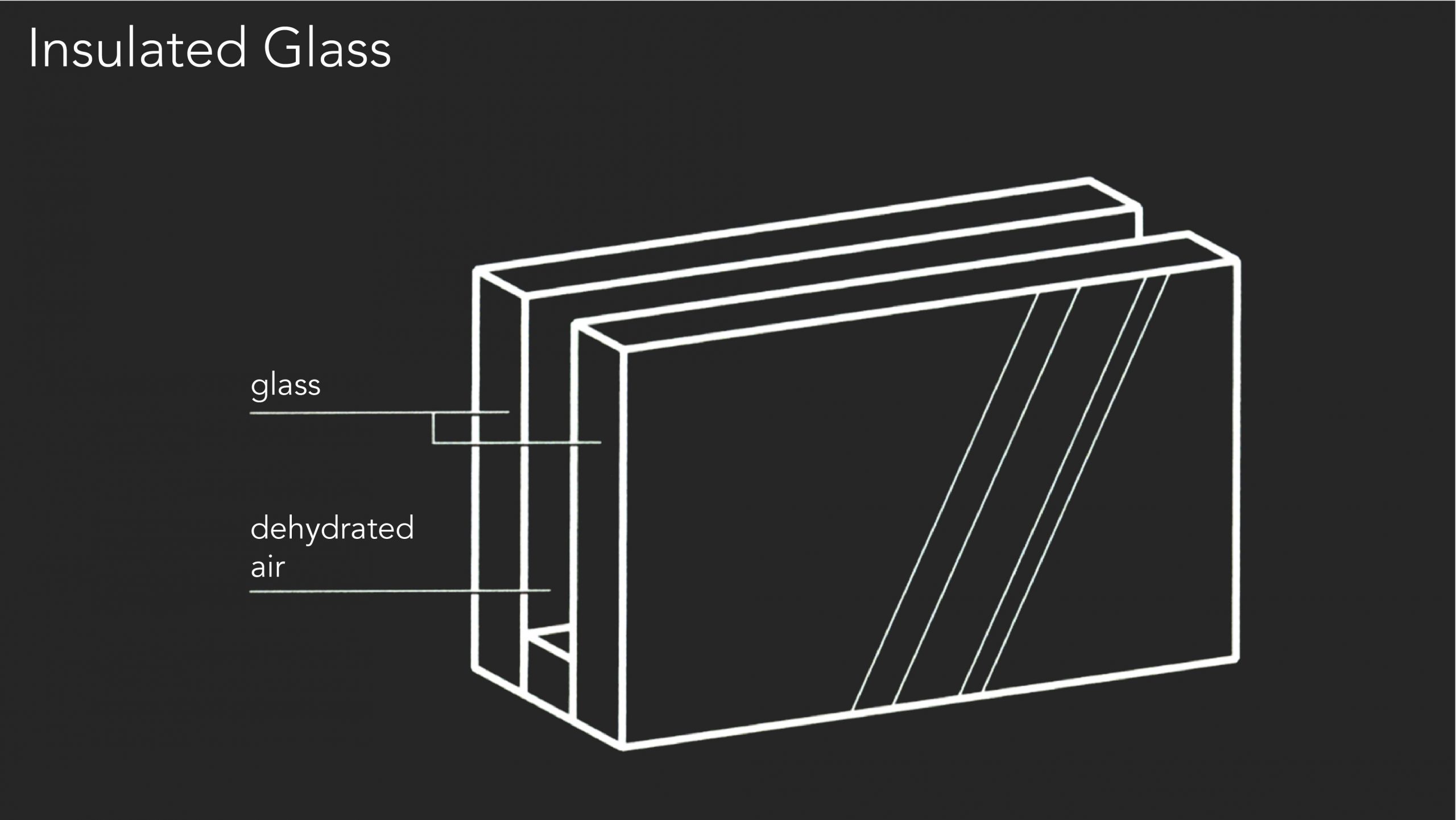
Double glazing encapsulates dehydrated air between two glass panes which provides insulating properties.
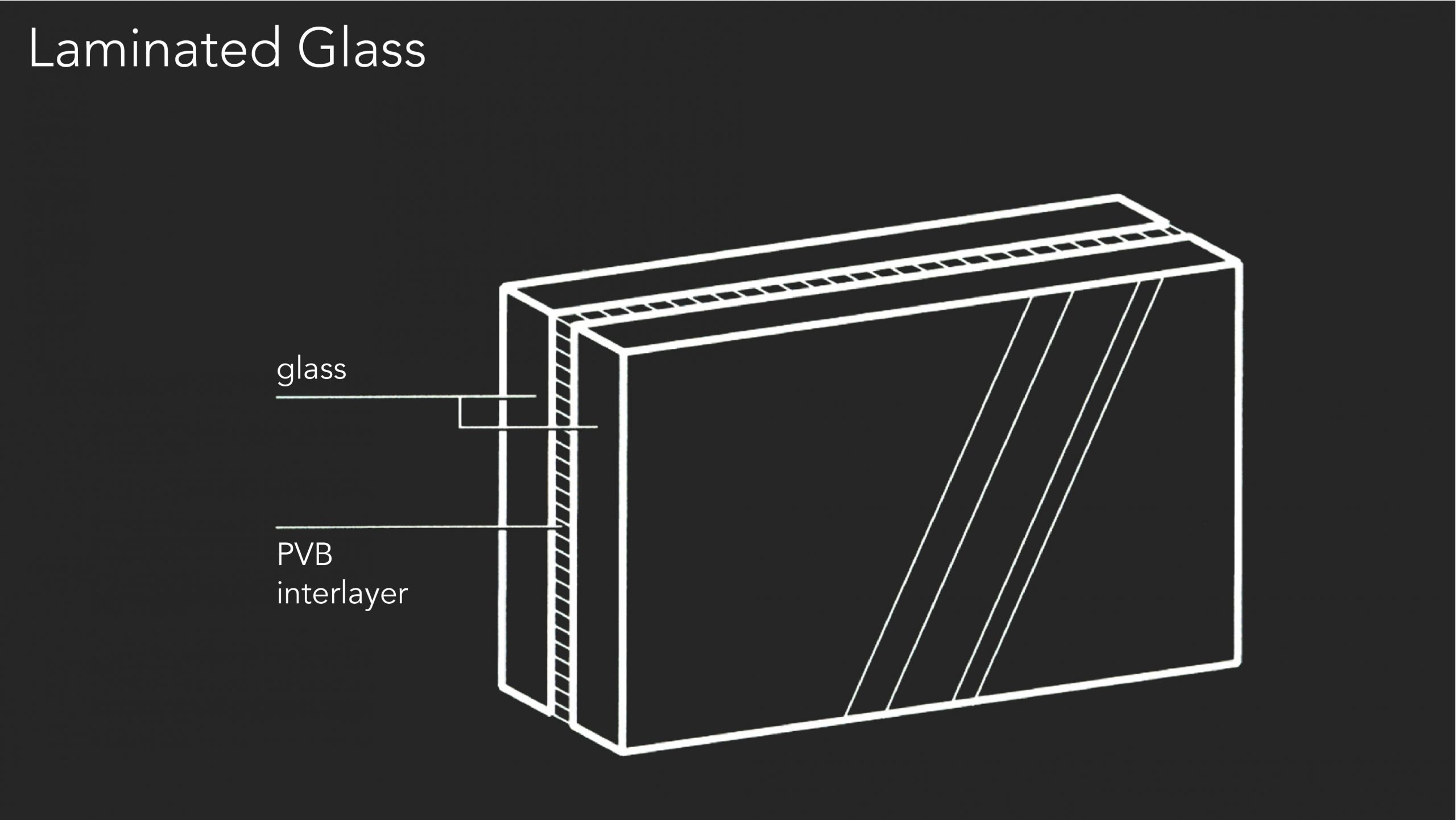
Laminated glass employs a strong, clear bonding material (e.g. Polyvinyl Butyral) to adhere two layers of glass. This provides safety against shattering for applications like automobile windshields.
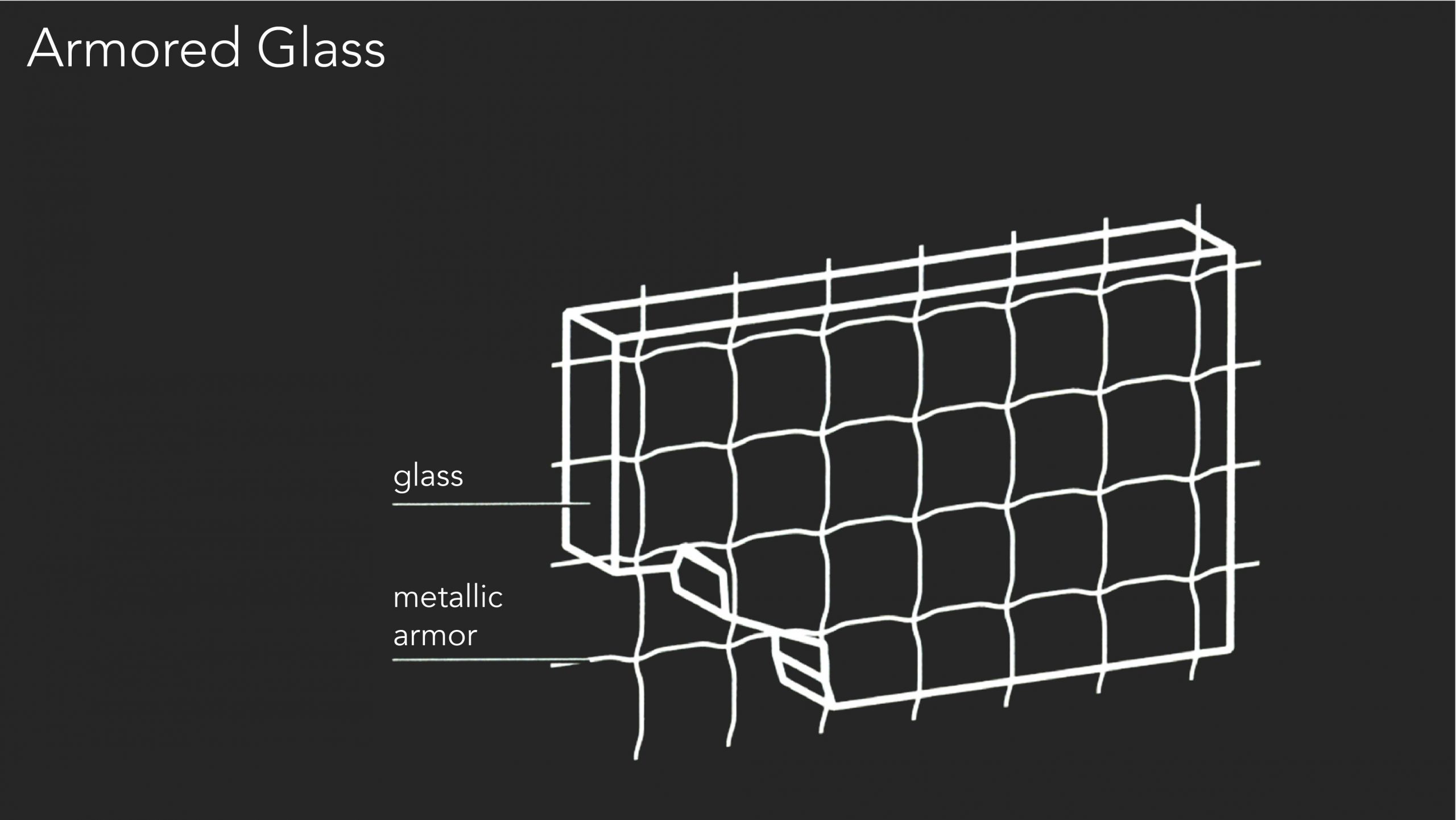
Armoring encapsulates a metal armature (e.g. wire mesh) in a glass pane, enabling high resistance to shattering.
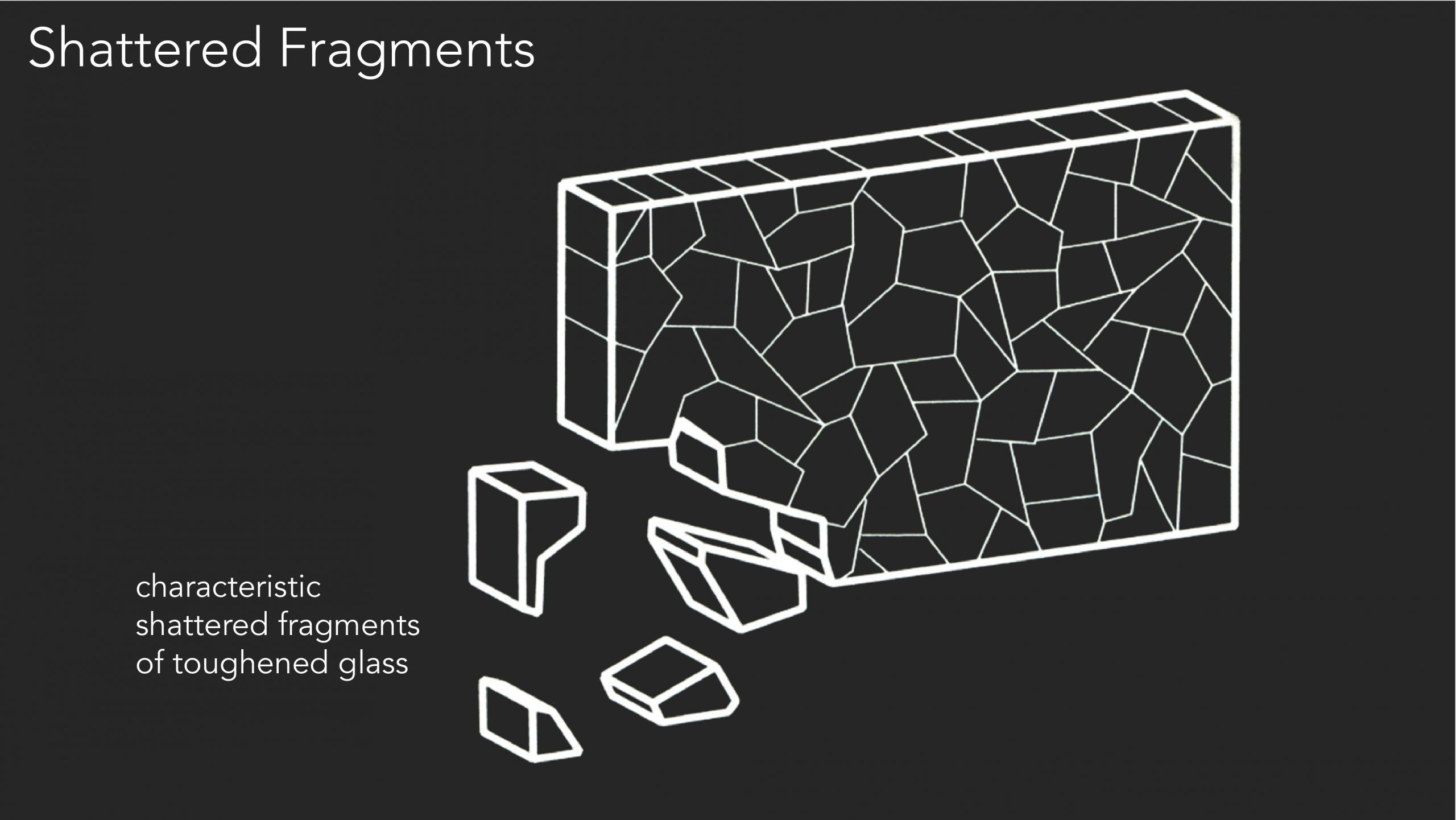
The brittle consequences of toughened glass are exhibited by the fragments which result from shattering.
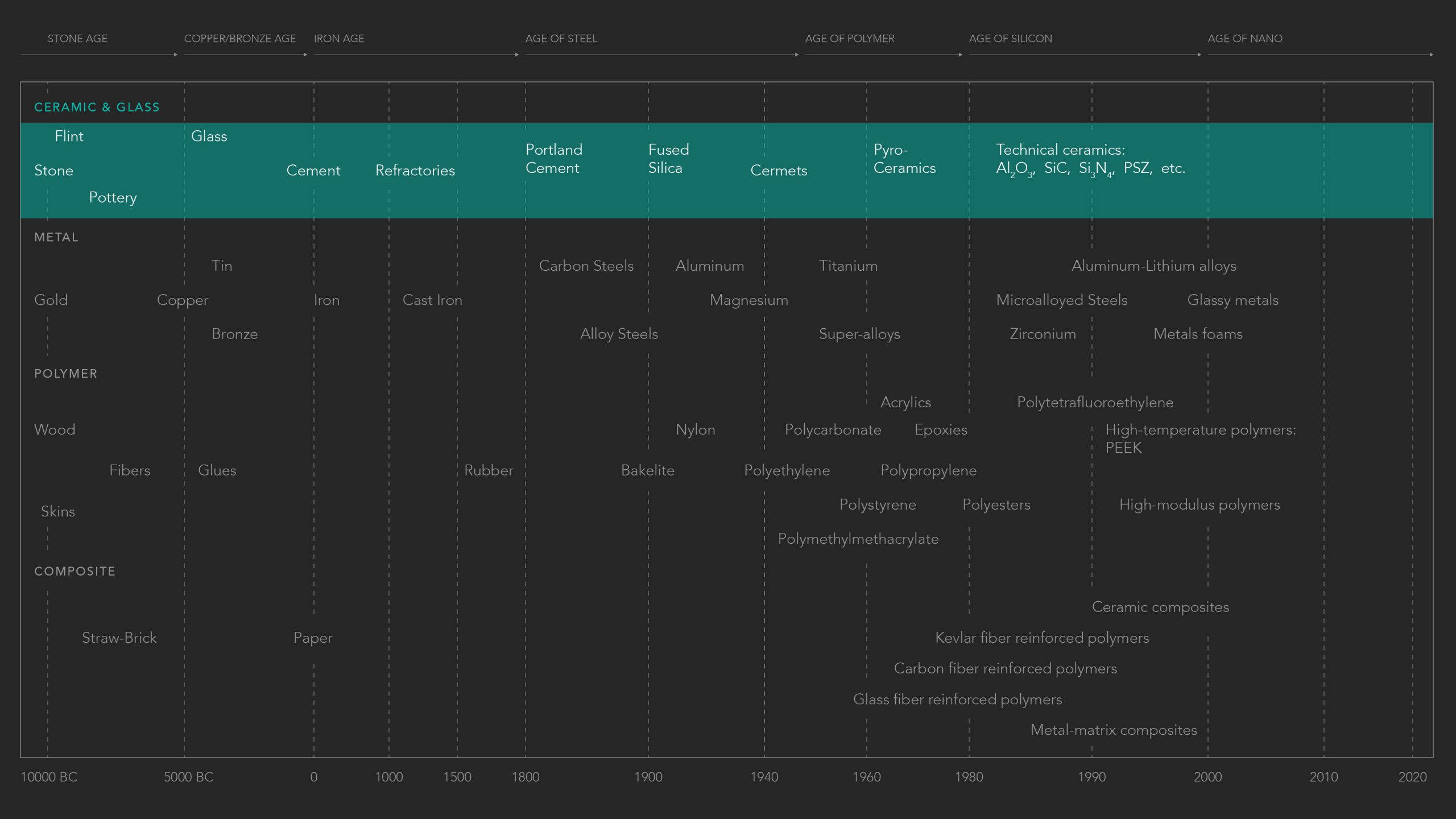
Discovered by the Egyptians several millennia BC and further developed through the Roman Empire glass is universal, relatively inexpensive, and easily recyclable.
click on image to enlarge >
/ Taxonomy
Borosilicate
Adding boric oxide greatly lowers the expansion coefficient, leaving the glass much less susceptible to thermal shock.
Lead-Alkali
Adding the heavy metal lead in large proportions lowers the working temperature, lengthens the cooling time and increases hardness after cooling.
Soda-Lime
Soda-Lime glass is the most common and least expensive type of glass.
Advanced
t
Further References >
Kula & Ternaux – Materiology: the creative industry’s guide to materials and technologies; Glass, Ceramics (pp 53-59).
Lefteri, Chris – Materials for design; Glass (pp 232-241).
Thompson, Rob – The materials sourcebook for design professionals; Mineral (pp 508-527).
Thompson, Rob – Manufacturing processes for design professionals; Ceramics and Glass (pp 482-488, 490-495).Corning Museum of Glass – What Is Glass?
Corning Museum of Glass – Types of Glass
Methods
/ Overview
Molten glass sets gradually while still keeping its irregular atomic structure (vitreous state). The material is said to be non-crystalline or amorphous. A vitreous state is an intermediary state, which is just as distinct as the other ‘liquid, solid and gaseous’ states. Glass is essentially made of silica (sand), soda and lime, but vitreous materials based on other constituents can be made.
Kula & Ternaux – Materiology: the creative industry’s guide to materials and technologies; Glass, Ceramics (pg 54).
Glass is shaped in a hot and molten state. The process begins in a furnace, where the raw materials are all crushed into uniform particles and mixed together. These raw materials are then mixed with cullet (crushed recycled glass) at 1500°C (2732°F) fusing together to form a homogenous, molten mass.
The material is conditioned for 8-12 hours, which is long enough for all the bubbles to rise to the surface and dissipate, and cooled to 1150°C (2102°F). The glass is now ready to be formed by blowing, pressing or molding. Lampworking is the process of local heating and forming of glass, so it does not require the same level of conditioning beforehand.
Thompson, Rob – Manufacturing processes for design professionals; Polymers (pp 484-485).

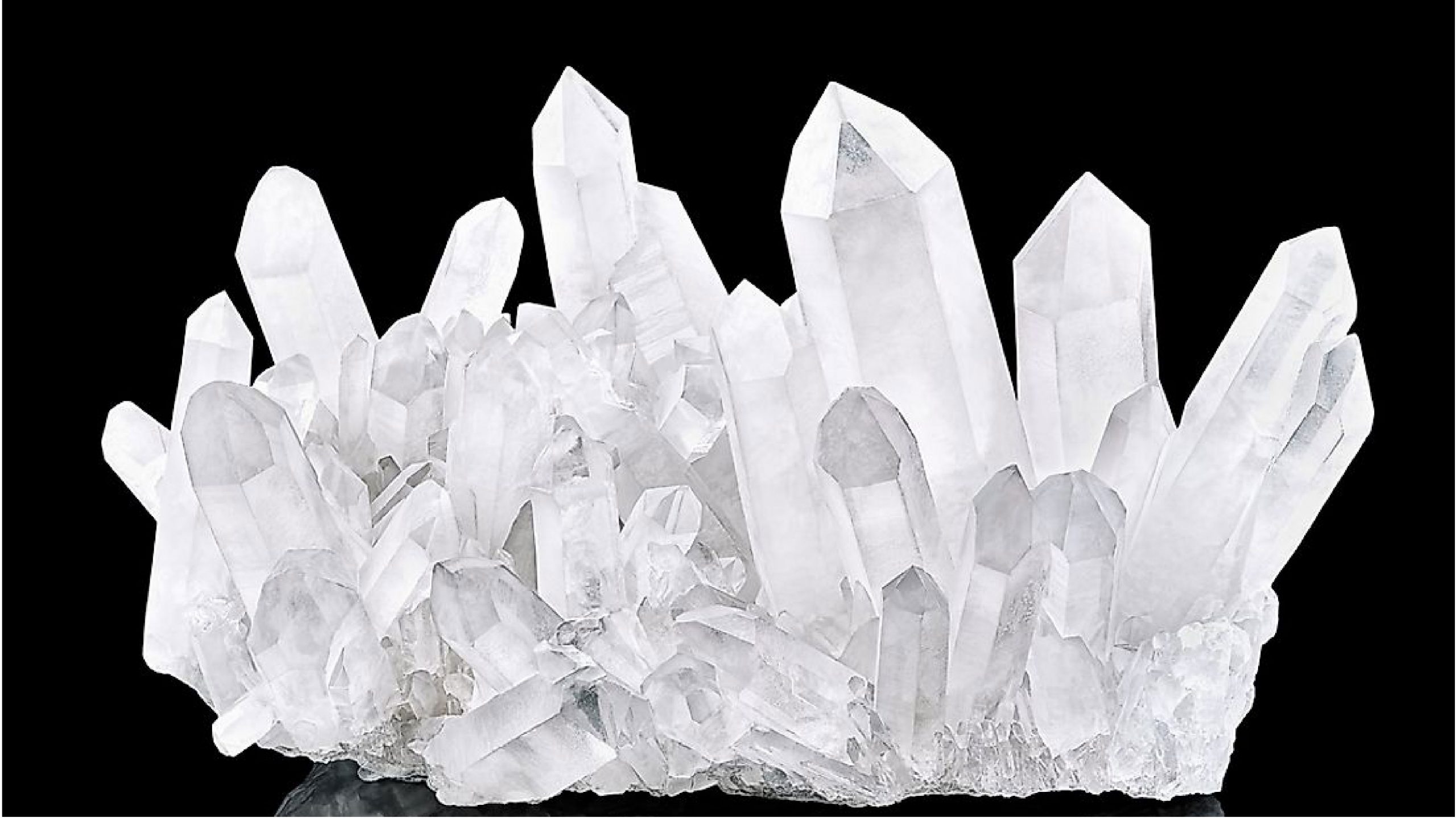
The primary ingredient of glass is silica which naturally occurs as the mineral quartz; one of the most available sources of silica for glass making is sand.
The molten mixture exits the furnace (1) and is gradually flattened on a conveyor (2) leading to the ‘tin bath’. The liquid glass forms a ribbon, floating on the surface of a reservoir of molten tin (3&4). The surface of the tin is extremely smooth, giving the glass a perfectly flat surface. The desired thickness is achieved by speeding or slowing the spread of the liquid glass. The glass ribbon is slowly cooled (5) until completely hard, cut into panels (6) and conditioned. The float glass process can run continuously.
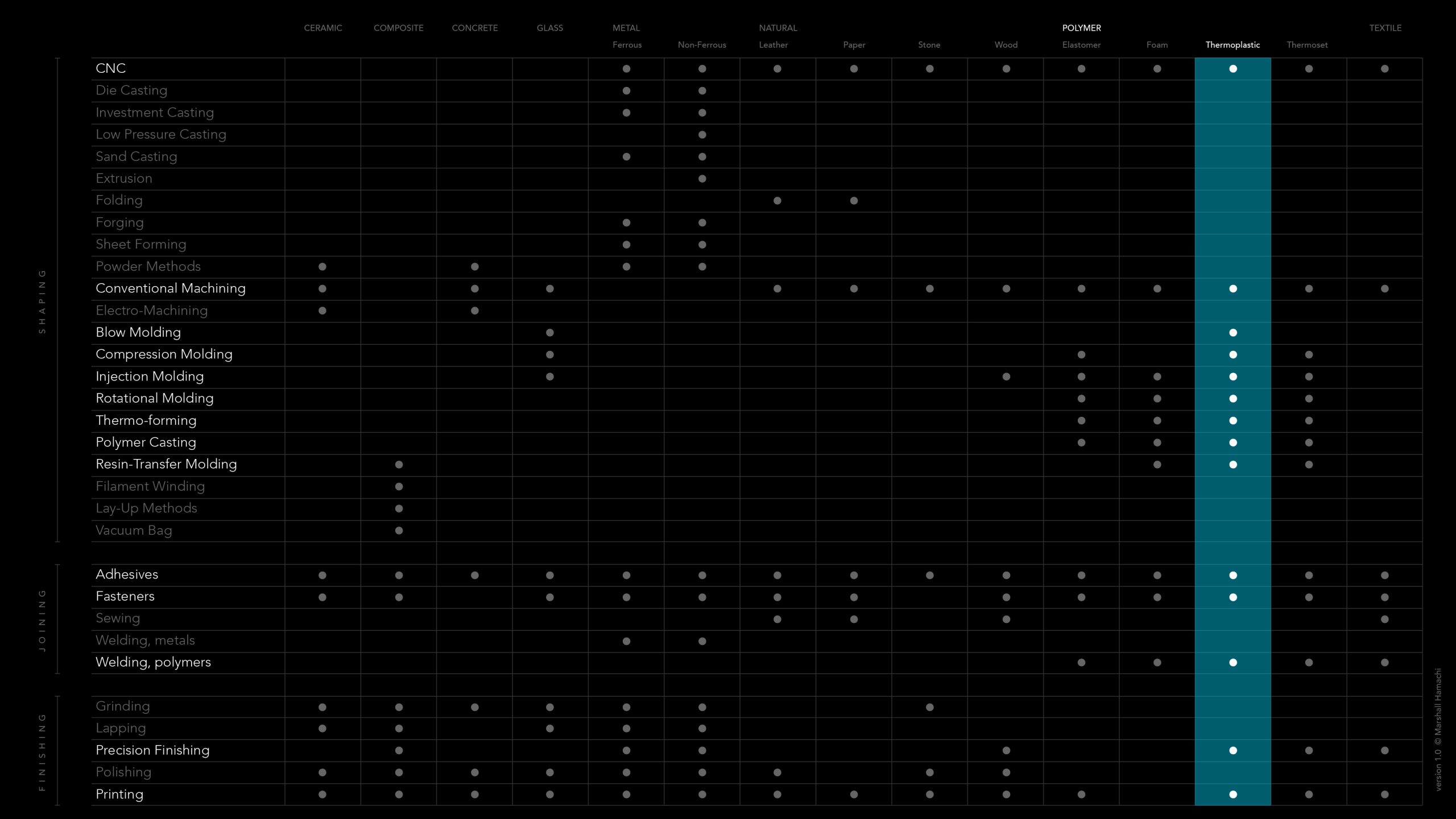
The sheet of glass is repeatedly stretched out vertically having been passed through the slot of a heat-proof piece of equipment known as a ‘debiteuse’ or ‘debi’ for short (a ceramic die), submerged in a bath of molten glass.
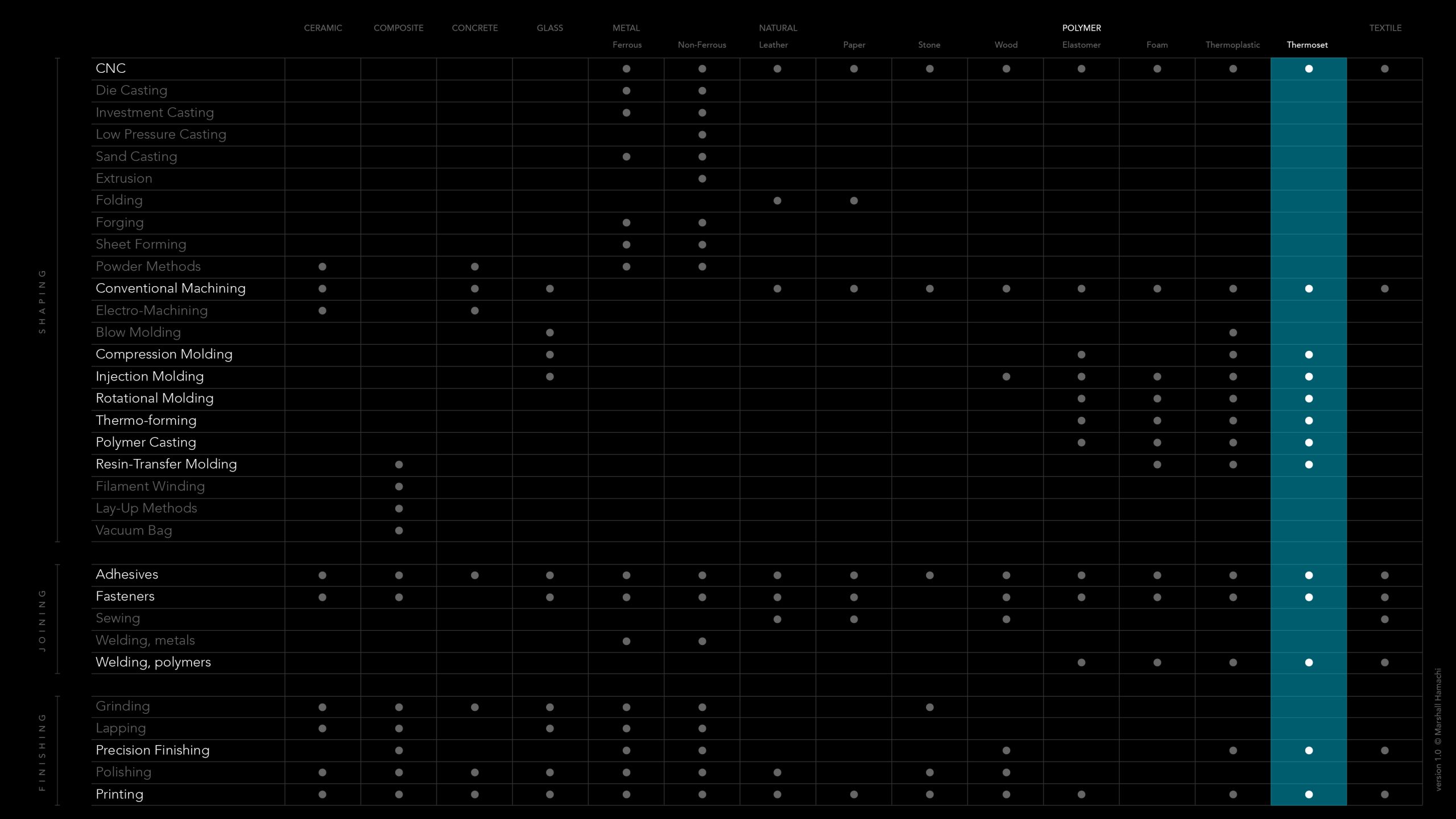
Defects in glass result from air bubbles (1 – “seeds”), chunks or pieces of unmelted raw material or debris (2-“stones”) as well as streaks from incomplete mixing (3 – “striae or cord”).
/ Finishes
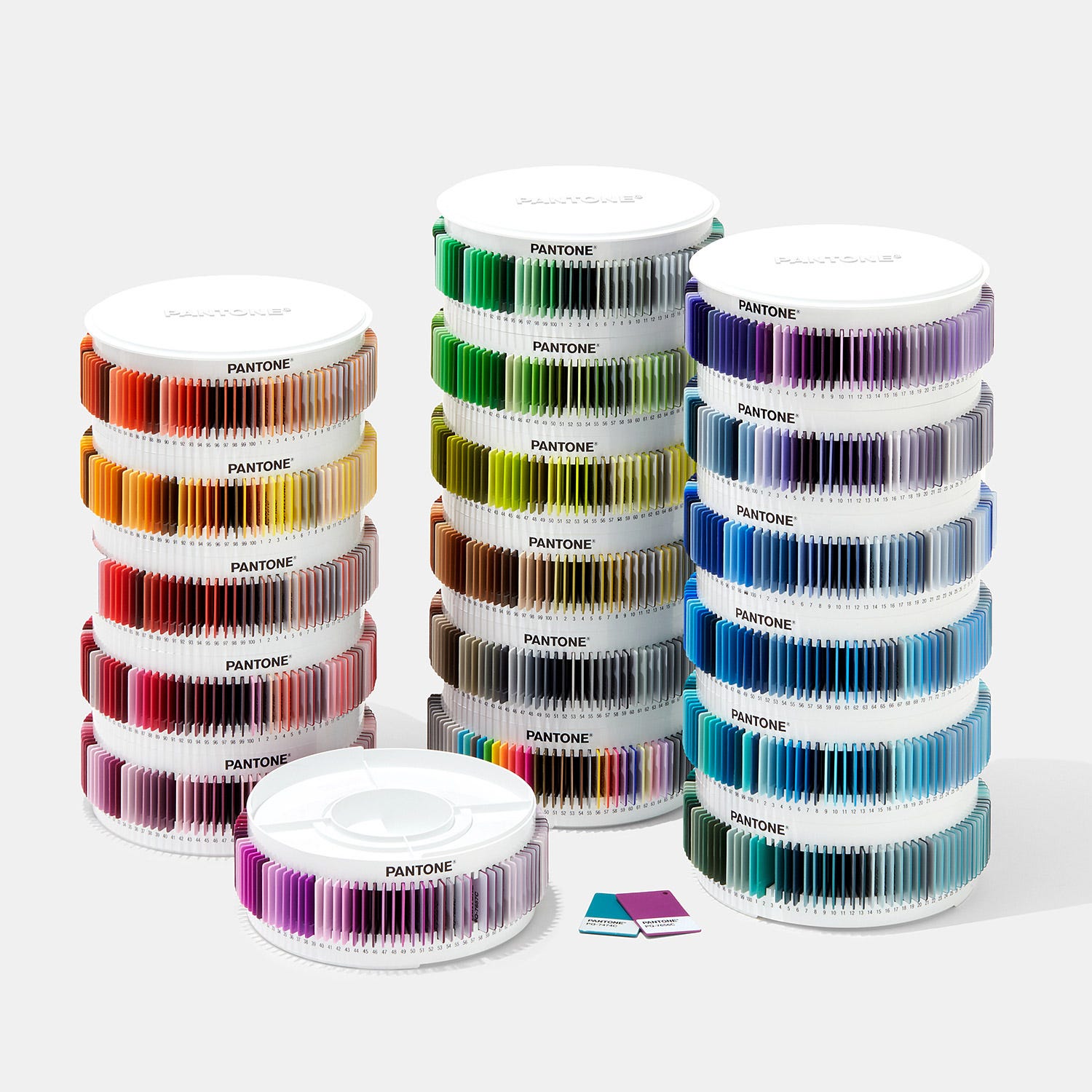
After raw materials and cullet are fused together at 1500°C the molten mass can be colored with additives, or a decolorant is added to make clear glass.
– Thompson, Rob. Manufacturing Processes for Design Professionals. p485
Glass coloring can be obtained using one of the following ways:
- Addition of Coloring Ions
- Precipitation of Nanometer-sized Colloides
- Colored Inclusions
- Light Scattering
- Dichroic Coatings
- Colored Coatings
– Wikipedia “Glass Coloring and Color Marking”
/ Manufacturing
Shaping
Float Glass Producing
Glassblowing
– Studio Glassblowing
– Machine Blow and Blow
– Machine Press and Blow
Lampworking
– Blowing
– Hole Boring
– Bending
– Mandrel Forming
Cutting
– Glass Scoring
– Water Jet Cutting
Joining
see Shaping
Finishing
Additive
– In Mold Decoration
– Painting
Vacuum Metalizing
– Chemical Vapor Deposition
– Physical Vapor Deposition
Subtractive
– Abrasive Blasting
– Engraving
Printing
– Foil Blocking & Embossing
– Hydro Transfer Printing
– Pad Printing
– Screen Printing
Shaping >
Float Glass
Float Glass Manufacturing Process
Pilkington
06:57
Machine Glass Blowing
Beverage Bottle Production Process
05:27
Lampworking – Scientific Glass
Gayle Price Scientific Glassblower
University of Leicester
03:41
Further References >
Kula & Ternaux – Materiology: the creative industry’s guide to materials and technologies; Glass, Ceramics (pp 53-59).
Thompson, Rob – The materials sourcebook for design professionals; Mineral (pp 508-527).
Thompson, Rob – Manufacturing processes for design professionals; Forming: Glass (pp 152-167); Cutting: Glass (pp 272-279); Finishing: Glass (pp 372-383, 388-391, 396-411); Ceramics and Glass (pp 482-488, 490-495).
Glassonweb – Traveling into a 1,200-degree melt to learn how glass is made
/ Products
How the Glass in a Pyrex Baking Dish is Made
Pyrex
BRANDMADE.TV
05:54
How a Pyrex Measuring Cup is Made
Pyrex
BRANDMADE.TV
05:54
Automotive Glass Testing
Toughness Test: Corning Gorilla Glass for Automotive Exteriors
Corning
01:51
SunDym Automotive Glass
Pilkington
02:29
Baccarat Crystal Glassblowing
Baccarat
10:52
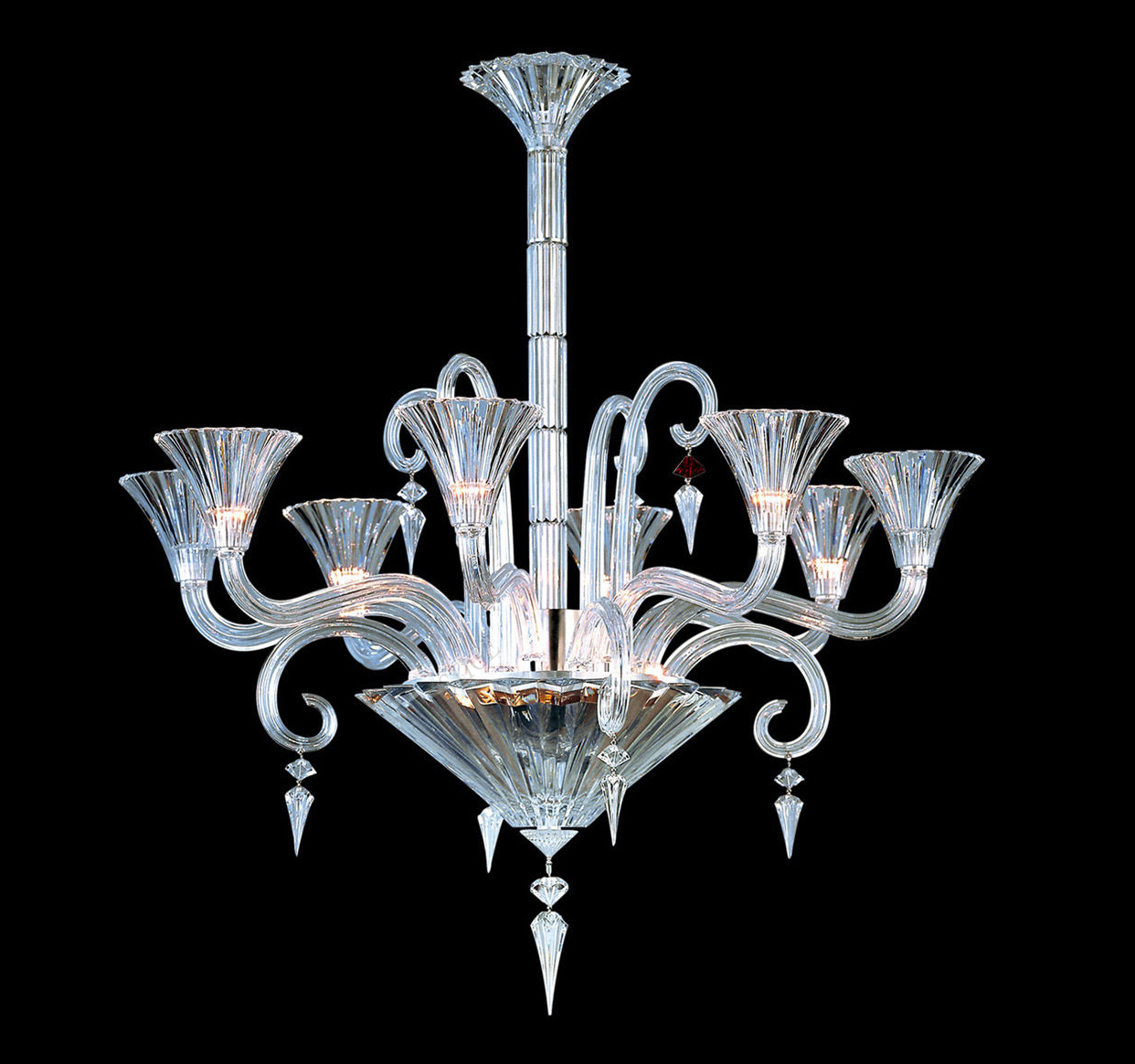
How a Baccarat Chandelier is Made
Baccarat
BRANDMADE.TV
06:02
Studio Glassblowing
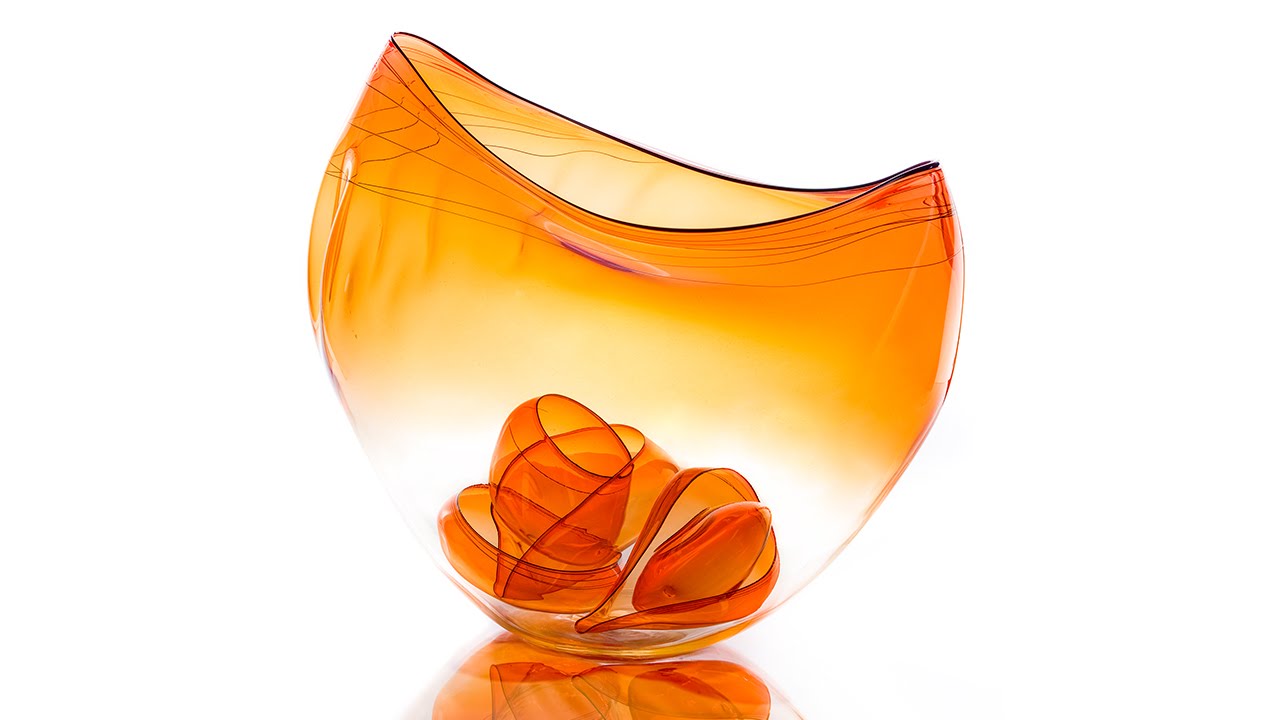
Basket Series Vases
Chihuly Workshop
03:08
Hybrid Automotive Glass
Ford GT Windshield
Corning
01:14
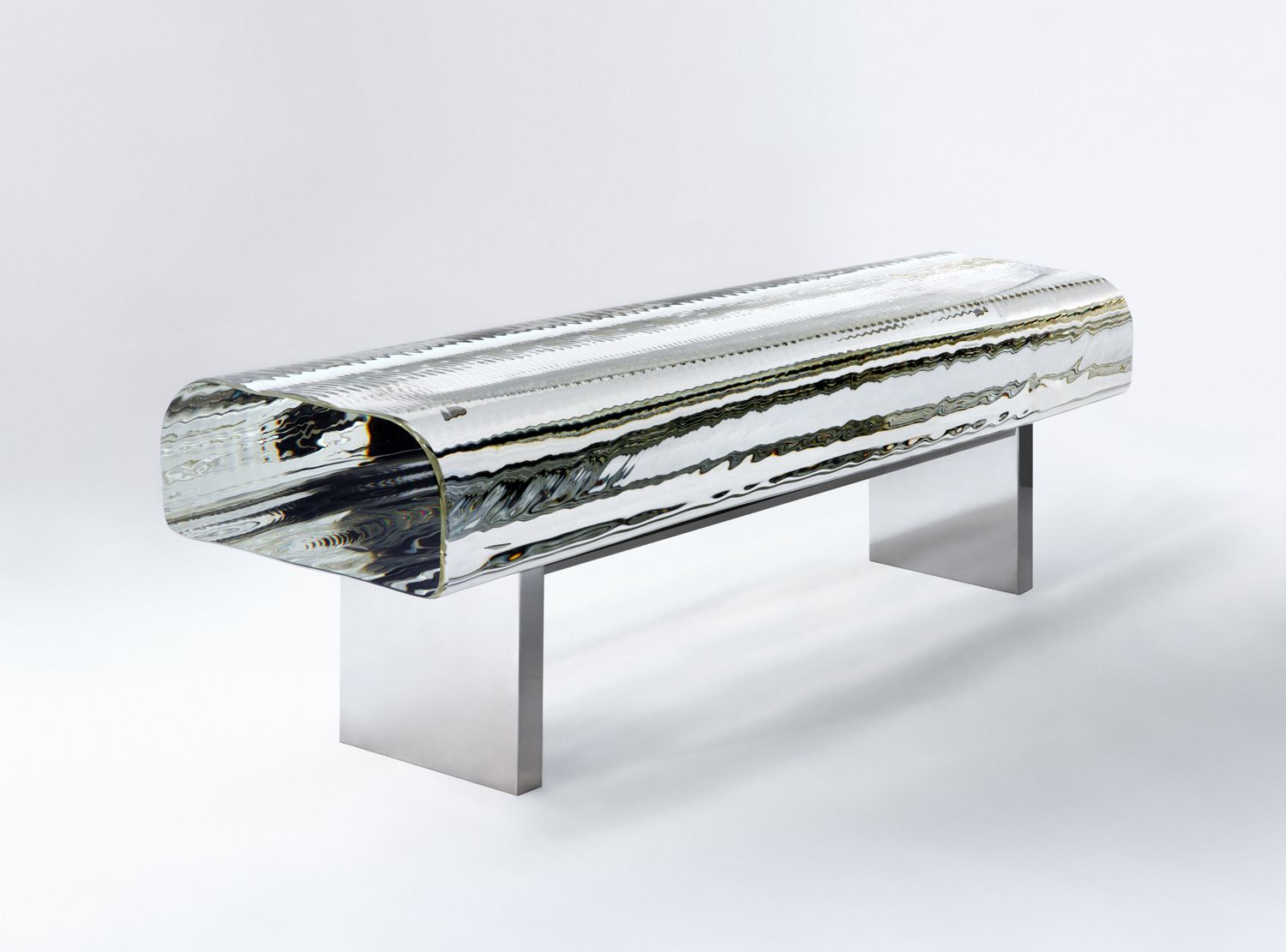
Optical Glass Bench
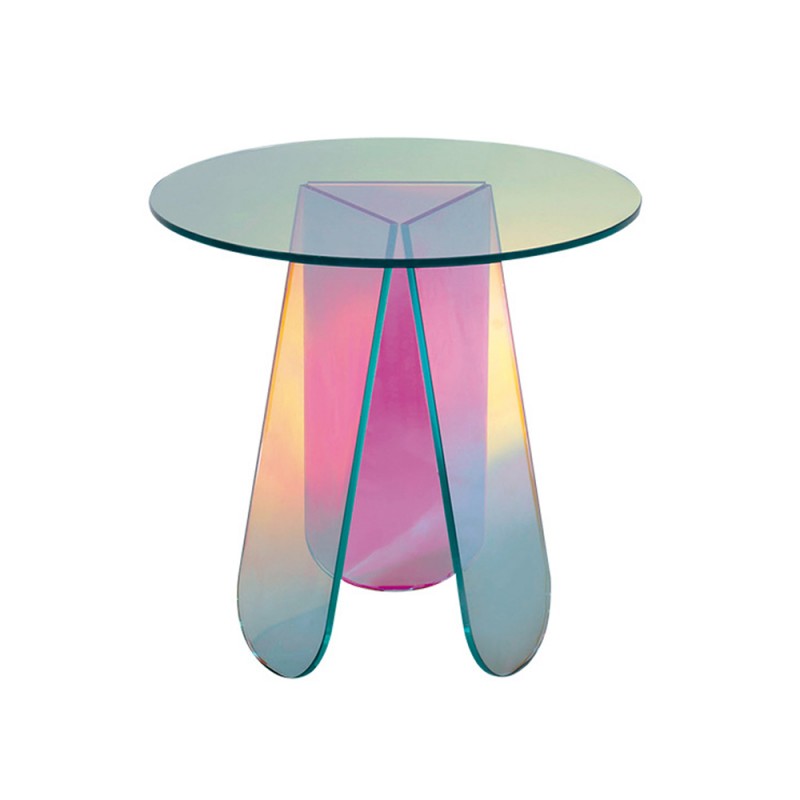
Tokujin Yoshioka Water Block
00:30
Electrochromic Aviation Glass
Boeing 787 Window
PPG Aerospace
01:24
Riedel Wineglass
Sommeliers Collection Glasses
Riedel
04:58
Crystal Jewelry Process
Swarovski Design and Production
07:53