
/ Blog

Explore CMTEL’s trends blog featuring searchable and filterable posts.


/ Channels
Explore external links to metal-based materials and design trends.

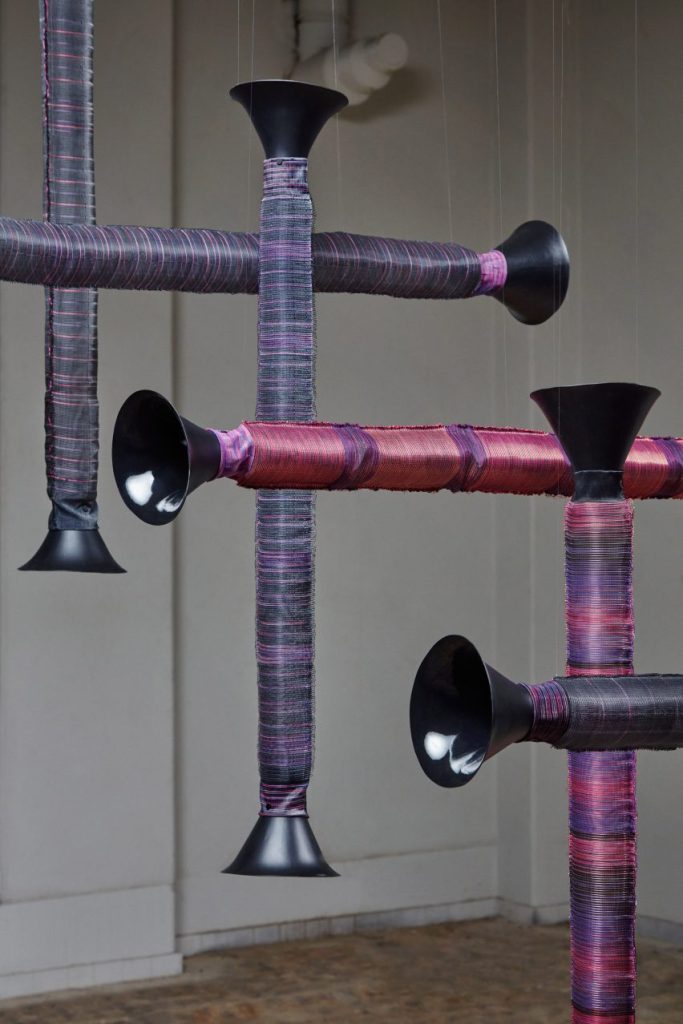
Core77’s Materials section serves a devoted global audience of industrial designers ranging from students through seasoned professionals.


New York based Material Connexion’s libraries and database provide global materials inspiration.
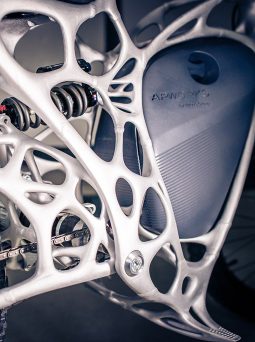

Netherlands based MaterialDistrict’s database, articles and events provide materials inspiration with European emphasis.
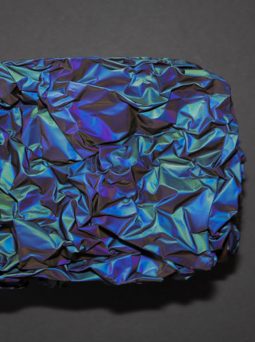

UK based Stylus offers reports, webinars, workshops and events for businesses to forecast cross-industry trends and consumer shifts.



Transmaterial is curated by Minnesota based Blaine Brownell, architect and former Fulbright scholar with a focus on emergent materials and applications.
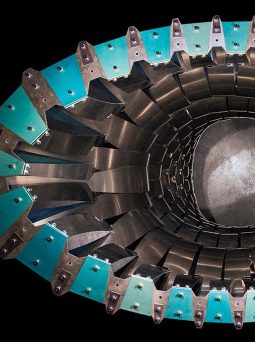
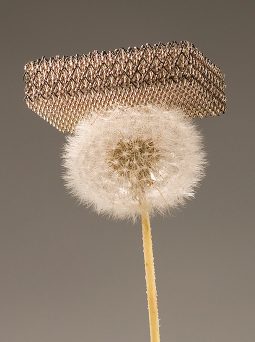
Material
/ Overview
Metals are extracted from their mineral ore, refined and processed to form combinations of metallic and other elements suitable for use in other products. This is an energy intensive process, and so metals are typically more expensive than plastics that have equivalent strength characteristics.
As a group of materials they are typically heavy and have high melting points. There are many different types of metal suitable for an unlimited range of applications. Some are non-toxic and sufficiently inert to implant into the human body; examples include titanium joint replacements and gold teeth. Others are poisonous, prone to corrosion or explosive.
Metals are divided into 2 main groups: ferrous and non-ferrous. The defining feature is that ferrous metals contain iron. Ferrous metals are produced and used in larger quantities than non-ferrous. This is mainly due to the versatility of steel; it is used in products, from domestic appliances to the automotive, construction and shipbuilding industries, for example.
Thompson, Rob – Manufacturing processes for design professionals; Metals (pg 449).
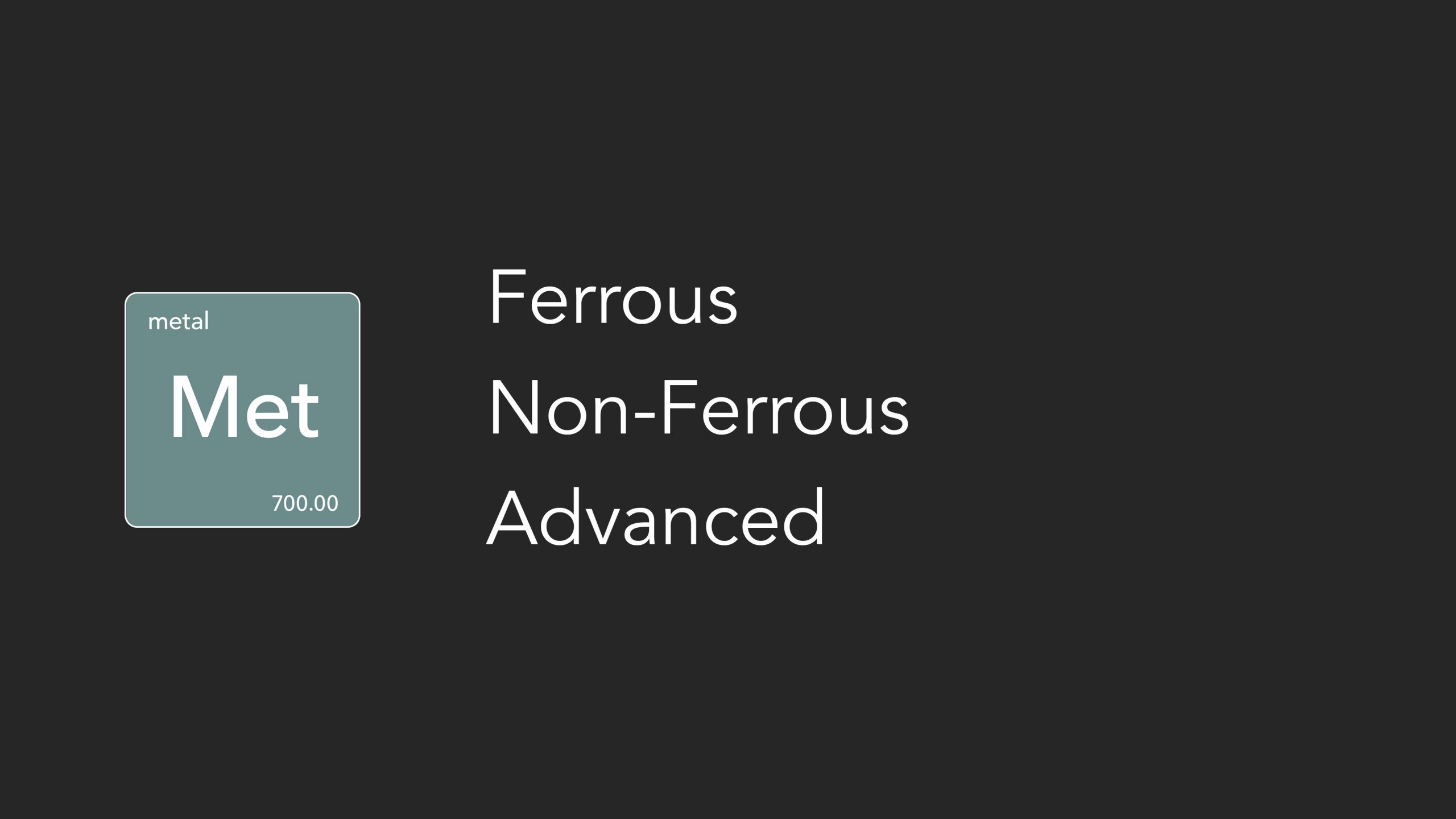
CMTEL’s materials library is organized by a numerical system to identify specific classes within a material family:
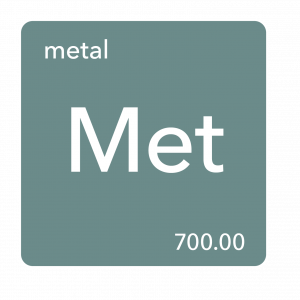
Metal is designated 700.00. To see the full taxonomy of polymer scroll to the “Taxonomy” section below. For a complete materials taxonomy visit the CMTEL Taxonomy page.
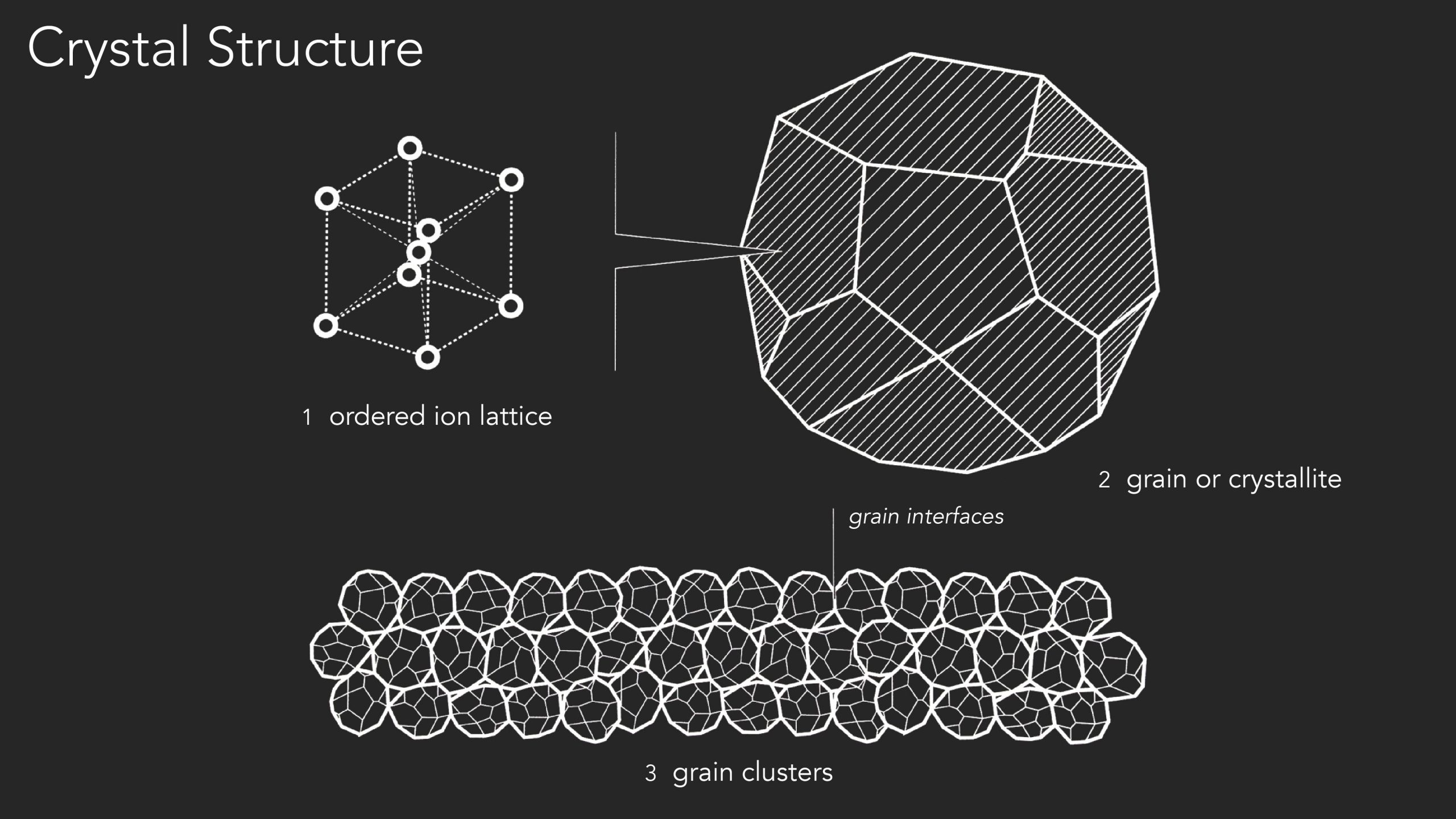
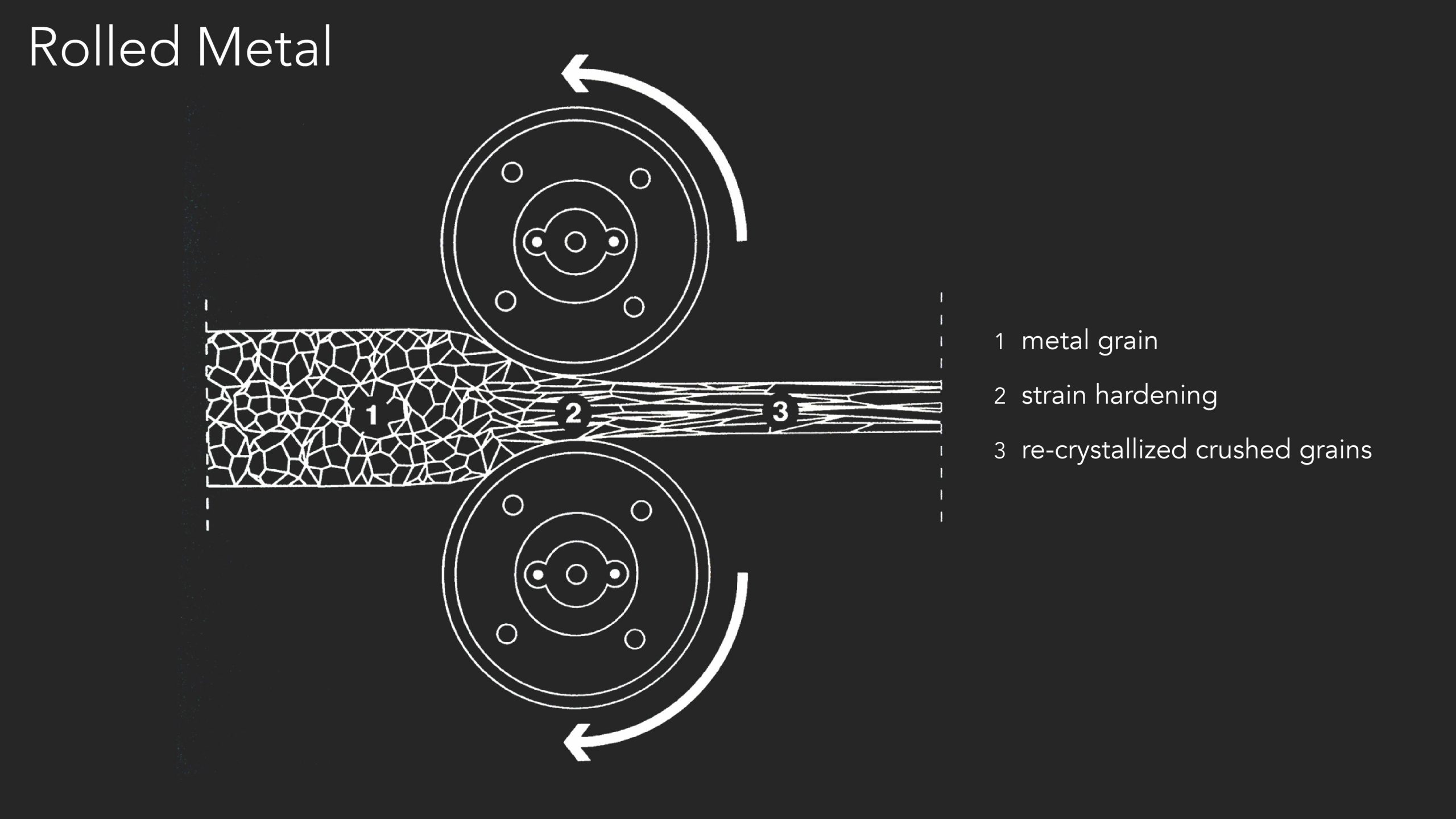
The structure of metal is characterized by metallic bonds: ordered, regular, and periodic, referred to as a ‘crystal lattice’. Each well-ordered lattice of ions can be represented by a ‘grain’. Metal acts as a granular structure, an aggregate of crystallites with varying degrees of orientation.
Strain hardening alters the state of the metal in order to make it harder by plastically deforming it while cold (rolled metal). Other processes such as quench hardening and tempering are used to increase strength and reduce brittleness.
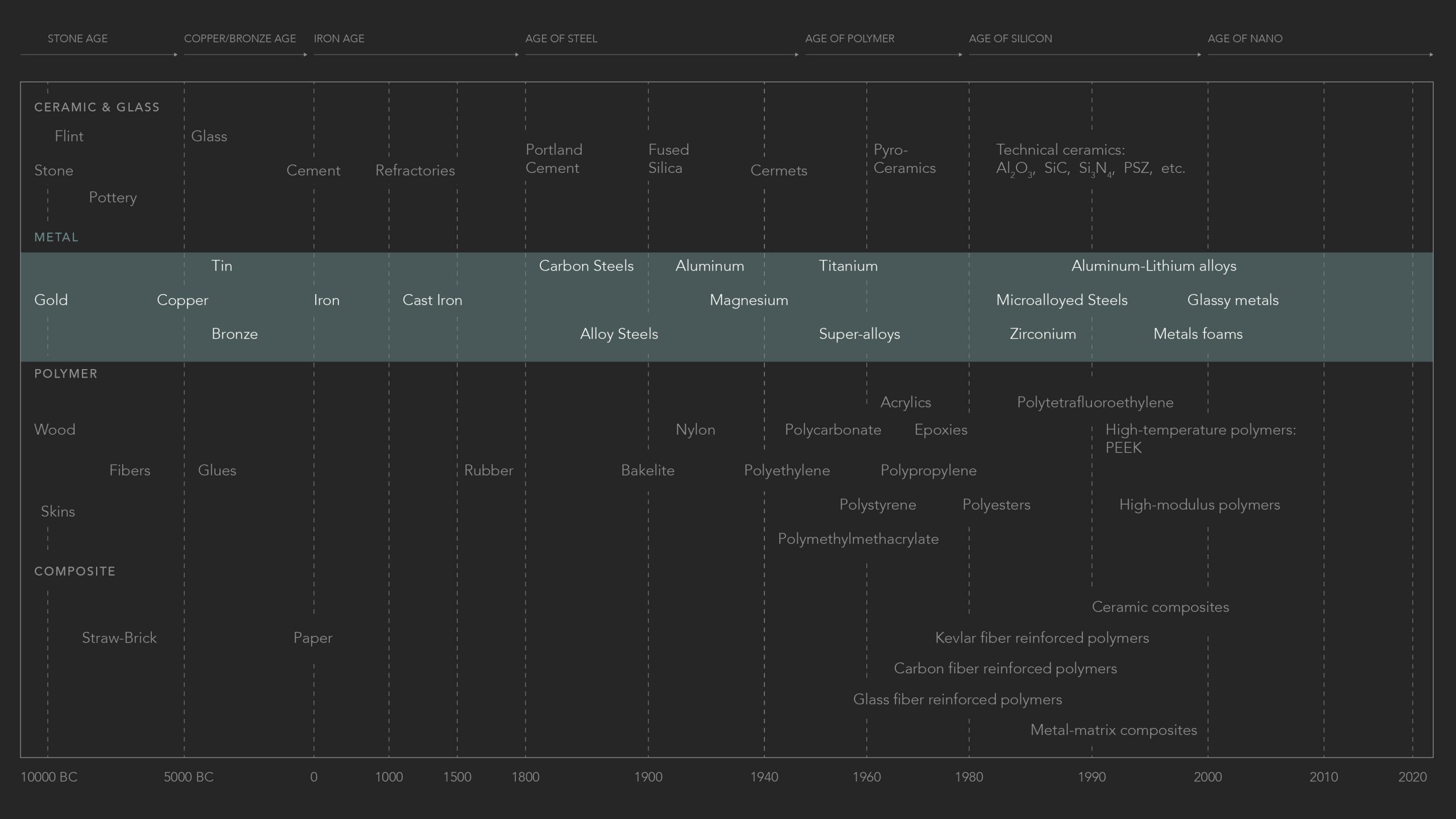
The discovery of copper and bronze and then iron stimulated enormous advances, replacing older wooden and stone weapons and tools. Cast iron technology established the dominance of metals in engineering. And the development of steels, light alloys and special alloys since then consolidated their position.
click on image to enlarge >
/ Taxonomy
Ferrous
Iron
– Cast Iron
– Wrought Iron
Steel
– Carbon Steel
– Low Alloy Steel
– Stainless Steel
– Tool Steel
Non-Ferrous
Aluminum alloy
Copper alloy
– Brass
– Bronze
– Copper
Lead alloy
Magnesium alloy
Nickel alloy
Precious metal
– Gold
– Platinum
– Silver
Tin alloy
Titanium alloy
Zinc alloy
Advanced
Composites
– Carbon
– Ceramic
– Glass
– Naturals
– Polymer
Further References >
Ashby & Johnson – Materials and Design: The art and science of material selection in product design; Metals (pp 202-203).
Lefteri, Chris – Materials for design; Metal (pp 160-201).
Kula & Ternaux – Materiology: the creative industry’s guide to materials and technologies; Metal (pp 40-50).
Thompson, Rob – The materials sourcebook for design professionals; Metal (pp 20-95).
Thompson, Rob – Manufacturing processes for design professionals; Metal (pp 448-463).
Key To Metals – Online Database
Online Metals – Product Guides
Methods
/ Overview
There are 3 categories of forming process: liquid, plastic and solid state forming. Each process is categorized by the relative temperature of forming: solid state forming is carried out with no additional heat, while in plastic state forming the metal is heated up to below its melting point and in liquid state forming the metal is heated up to above its melting point.
Primarily, there are many standard products such as foil, sheet, strip, rod, tube, angle and other extruded profiles. These can be further processed into colored, perforated, woven, expanded, corrugated, embossed and textured materials.
Many metals are available as either cast or wrought. Wrought metal is cast into bars and then rolled into profiles, sheets, strips and other profiles. The difference between the products is the grain structure. Cast products have a random grain structure, while forged and rolled metals have a linear grain alignment. This alignment has superior resistance to stress and fatigue.
Grain structure can be further improved with heat treatment. This is the process of controlled heating and cooling. The rate of cooling affects grain structure and produces either hard and brittle or ductile and tough structures.
Thompson, Rob – Manufacturing processes for design professionals; Metals (pg 451).
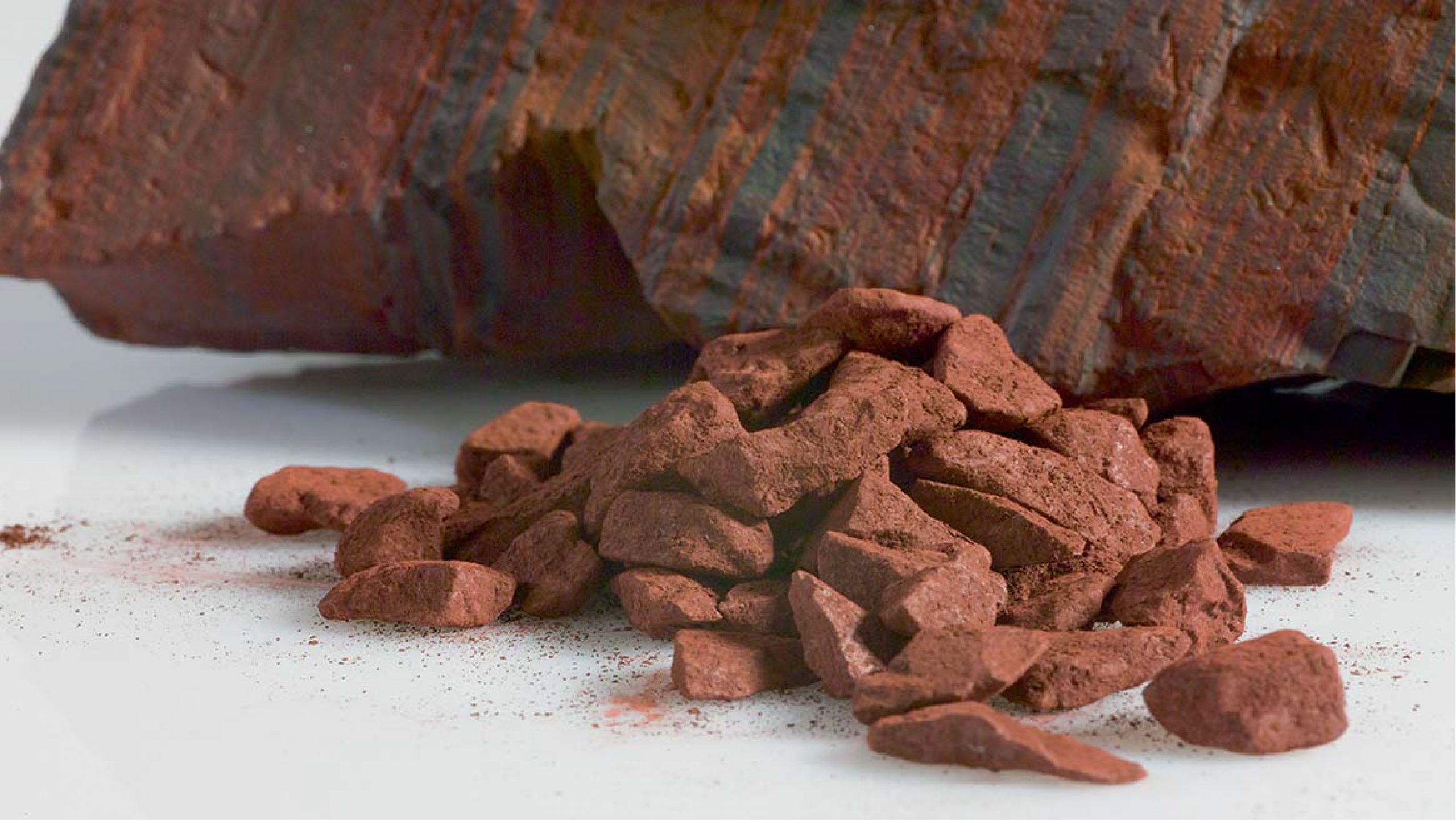
Metals usually present themselves as oxides, in the form of ores (e.g. iron ore image below) and certain transformation processes are required in order to render them into a more familiar form.
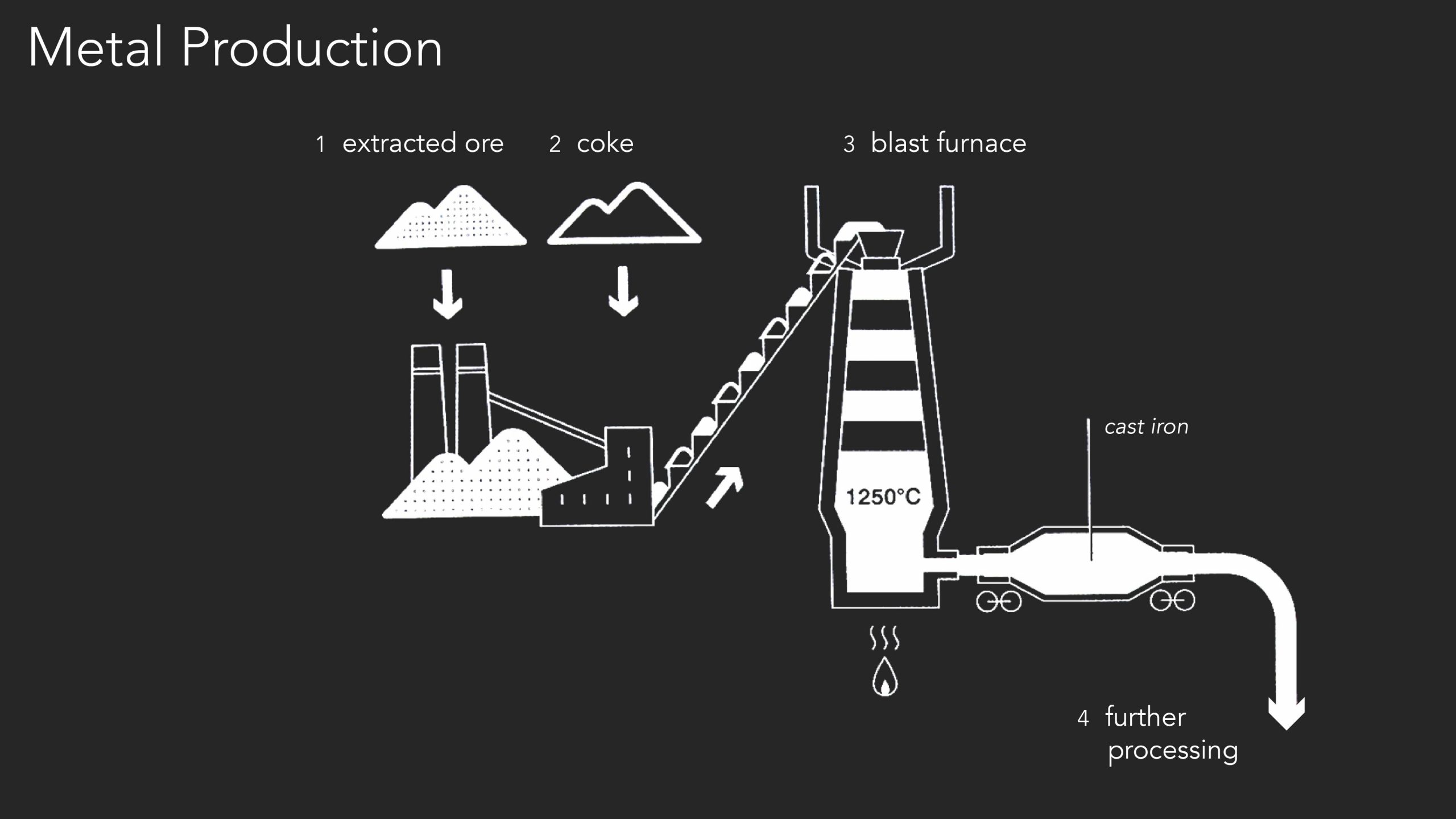
Cast iron is produced as a result of adding carbon to iron ore, provided by coke (coal) in blast furnaces. When further processed by reducing its carbon content, the iron becomes steel.
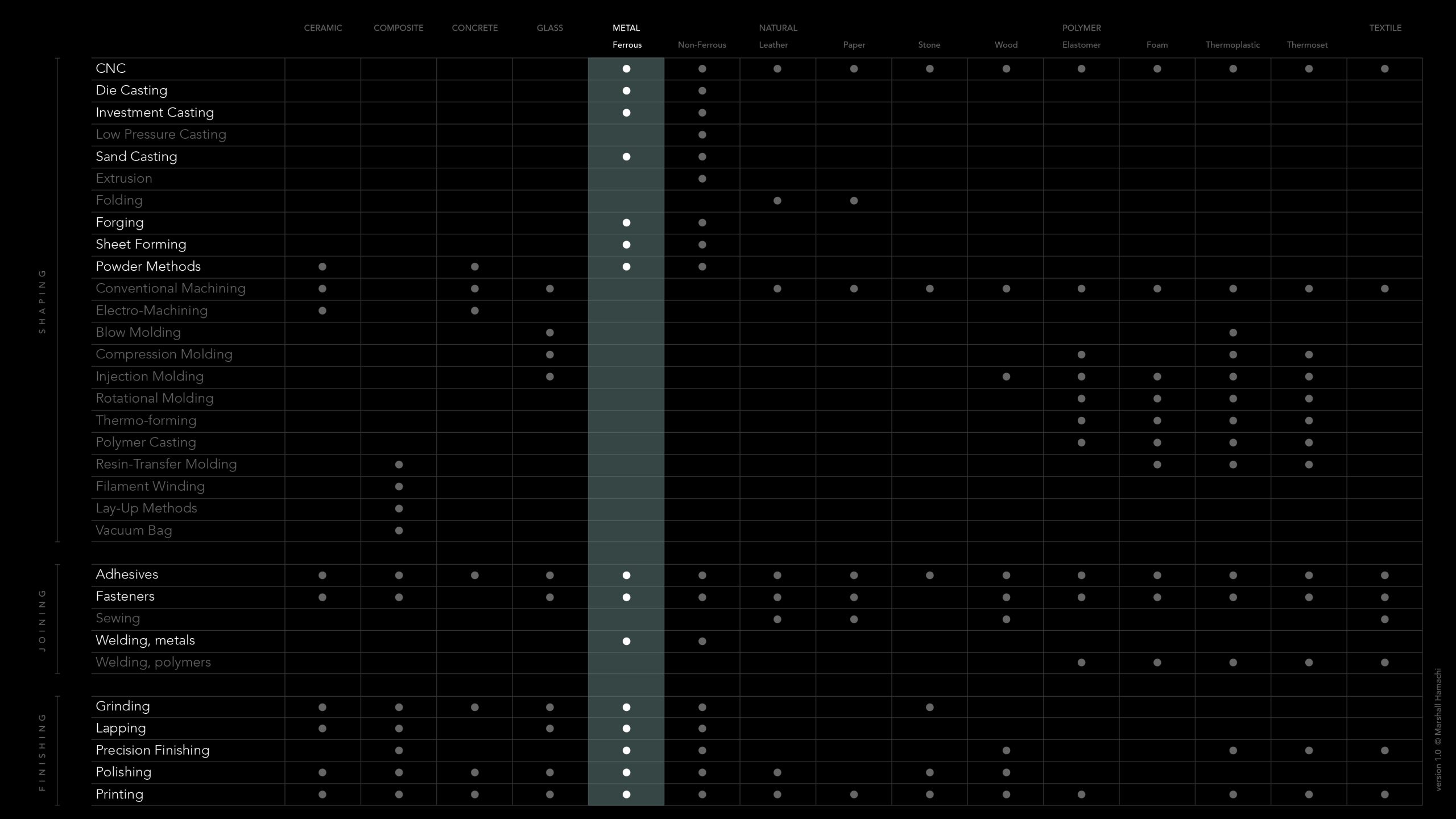
Shaping, Joining and Finishing process methods for Ferrous metal.
click on image to enlarge >
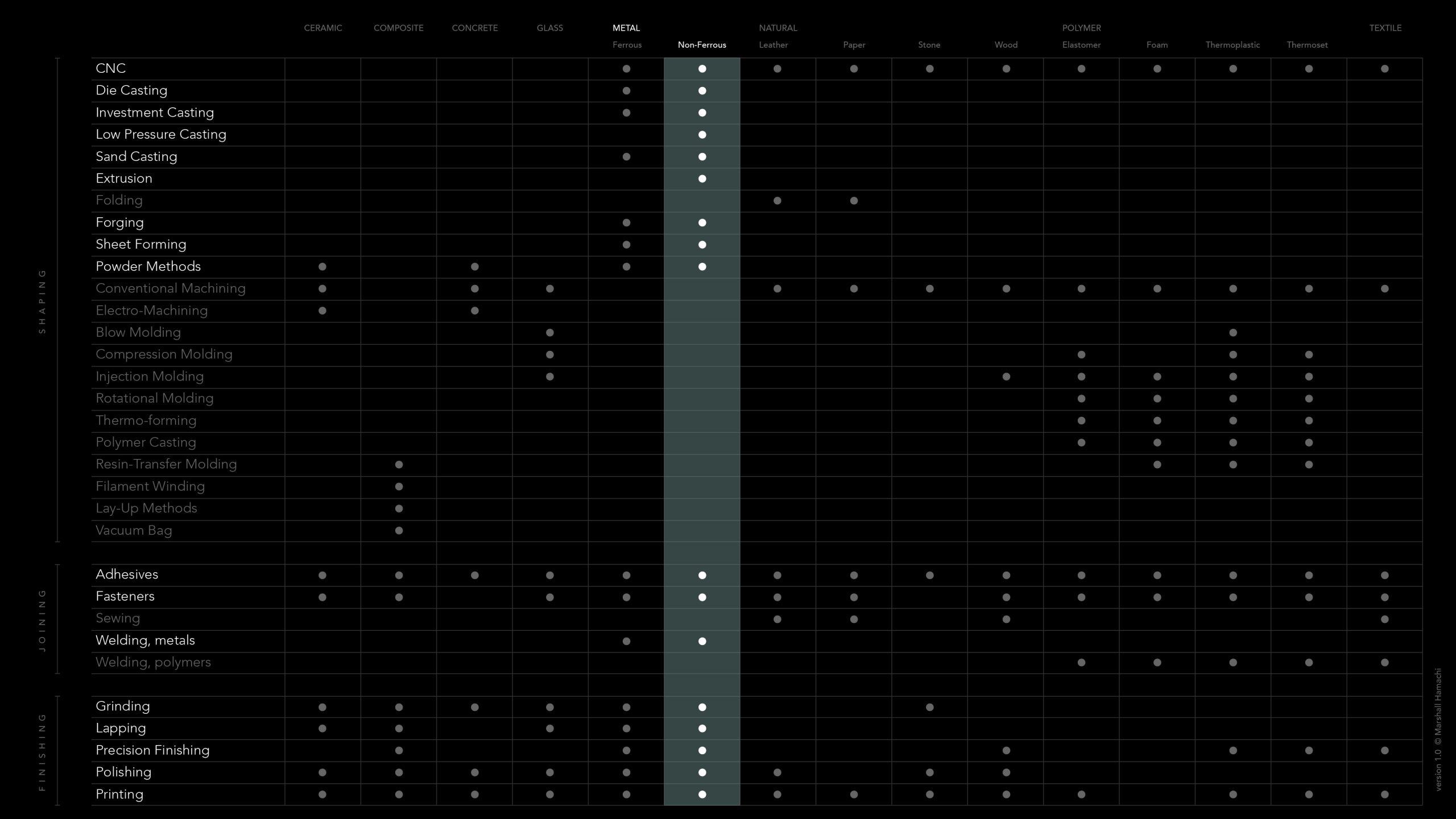
Shaping, Joining and Finishing process methods for Non-Ferrous metal.
click on image to enlarge >
/ Finishes
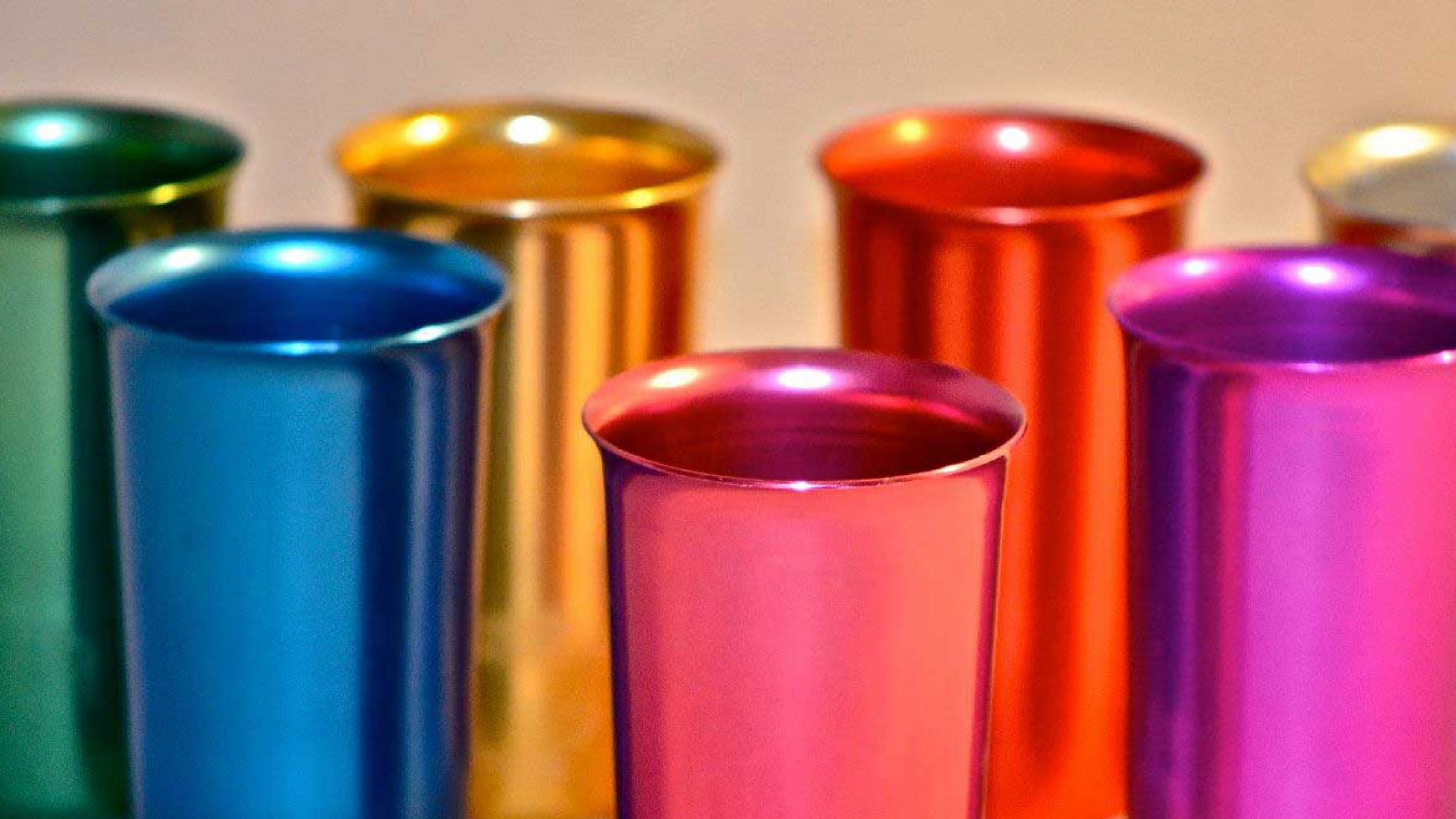
Some metals react with the atmosphere and produce a surface oxide layer that forms a protective barrier against further corrosion. The oxide layer is also very durable, such as anodized aluminum. The patina can be used for decorative effect such as colored anodized aluminum.
– Thompson, Rob. Manufacturing Processes for Design Professionals. p450
/ Manufacturing
Shaping
Centrifugal Casting
Deep Drawing
Die Casting
Electroforming
Forging
Investment Casting
Metal Injection Molding
Metal Spinning
Metal Stamping
Panel Beating
Press Braking
Roll Forming
Sand Casting
Superforming
Swaging
Tube & Section Bending
Cutting
– Die Cutting
– Electrical Discharge Machining
– Laser Cutting
– Photochemical Machining
– Plasma Torch Cutting
– Punching & Blanking
– Water Jet Cutting
Joining
Mechanical Fastening
Soldering and Brazing
Staking
Weaving
Welding
– Arc Welding
– Friction Welding
– Hot Plate Welding
– Power Beam Welding
– Resistance Welding
– Vibration Welding
– Ultrasonic Welding
Finishing
Additive
– Anodizing
– Electroplating
– Enameling
– Galvanizing
– Painting
– Powder Coating
Subtractive
– Engraving
– Grinding
– Photo Etching
– Polishing
– Sanding
Printing
– Foil Blocking & Embossing
– Pad Printing
– Screen Printing
– Stamping
Shaping >
Centrifugal Casting
Centrifugal Casting Process
Kuhn Special Steel
02:02
Deep Drawing
Deep Drawing Process
Geerts Dieptrekken
04:36
Die Casting
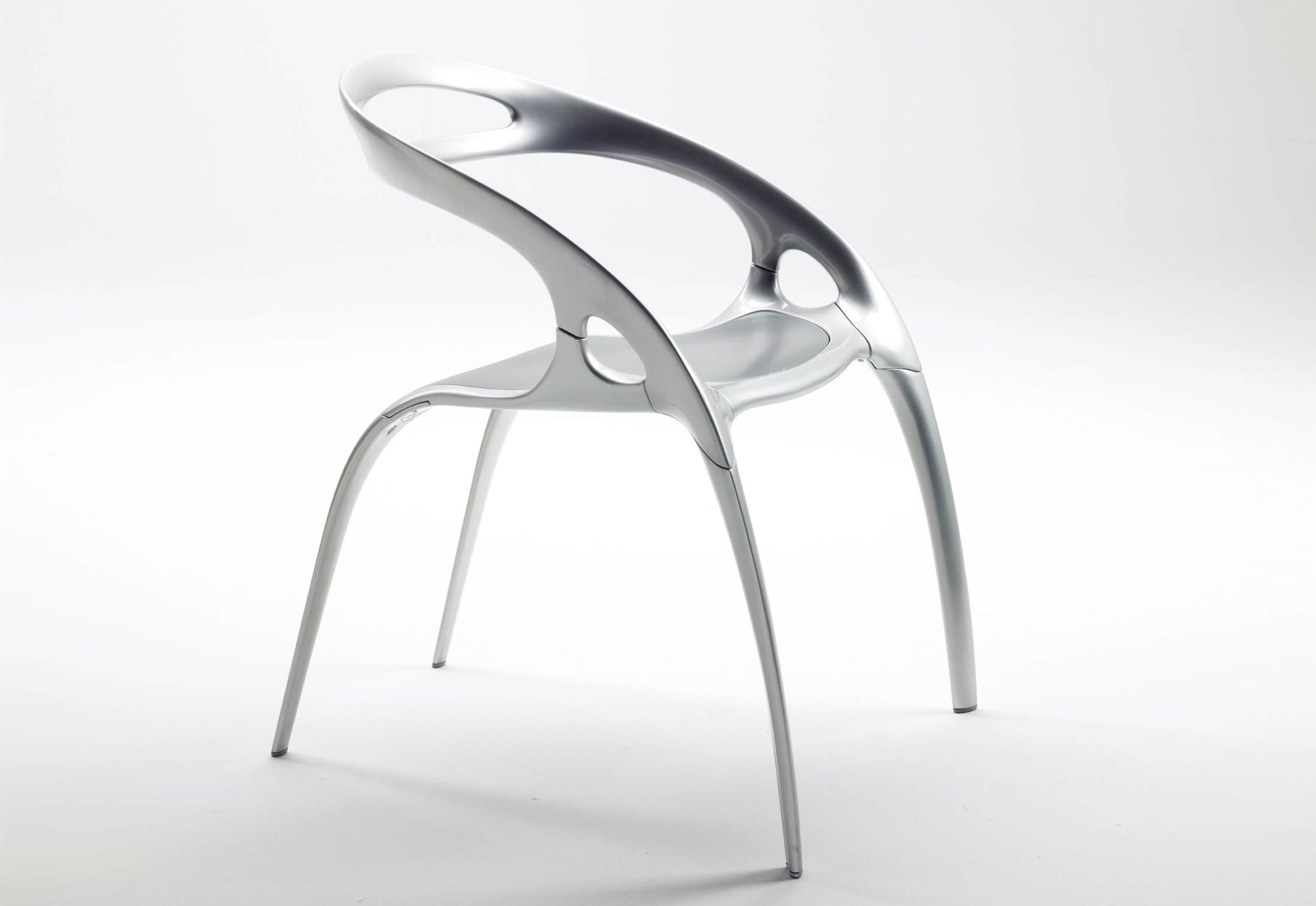
Eames Aluminum Chair
Charles & Ray Eames, Herman Miller
03:55
Electroforming (Copper)
Glass Goblet
Aethic Glassworks
03:12
Forging
Forest Axe
Gränsfors Bruks AG
02:18
Investment Casting
Investment Casting Process
Pennsylvania Precision Cast Parts
03:23
Metal Injection Molding
Metal Injection Molding Process
CMG Technologies (formerly Egide)
04:02
Metal Spinning
Supreme Metal Spinning
02:30
Metal Punching
Girotondo Basket
King Kong Team, Alessi
03:08
Metal Stamping
Ford Fusion NASCAR
NASCAR, Ford Motor Company
03:40
Panel Beating
Disco Volante
Touring Supperleggera, Alfa Romeo
04:54
Press Braking
ACB Press Braking Process
Northern Manufacturing Company
01:36
Roll Forming
Botanist Bench
Orange22
05:50
Sand Casting
Sand Casting Process
Voxeljet
02:30
Superforming
Morgan Aeromax body wing
Morgan Motor Company
00:10
Swaging
Harley Davidson front axle
Felss Group GmbH
03:03
Tube Bending
Steel Tube Bending Installation
Thomas Fechtner, Thonet, BLM Group
04:04
Tube Bending
Ring Rolling Aluminum
Steelcraft
00:56
Further References >
Ashby & Johnson – Materials and Design: The art and science of material selection in product design; Metals (pp 202-203).
Kula & Ternaux – Materiology: the creative industry’s guide to materials and technologies; Metal (pp 40-50).
Kula & Ternaux – Materiology: the creative industry’s guide to materials and technologies; Metal (pp 40-50).
Thompson, Rob – The materials sourcebook for design professionals; Metal (pp 20-95).
Thompson, Rob – Manufacturing processes for design professionals; “Forming: Metal” (pp 72-151); “Cutting: Metal” (pp 244-275); “Joining: Metal” (pp 282-297; 308-319); “Finishing: Metal” (pp 350-387; 392-411); “Materials: Metal” (pp 448-463).
/ Products
How an Alessi Kettle is Made
Alessi
BRANDMADE.TV
08:22
How a All-Clad Pan is Made
All-Clad Metalcrafters
BRANDMADE.TV
05:54
MacPro
Apple
02:02
How a Braun Shaver is Made
Braun USA
BRANDMADE.TV
05:54
How a Coleman Lantern is Made
Coleman
BRANDMADE.TV
08:06
How a Coleman Stove is Made
Coleman
BRANDMADE.TV
05:54
How an Emeco Chair is Made
Emeco
BRANDMADE.TV
05:43
How a Kitchenaid Mixer is Made
KitchenAid
BRANDMADE.TV
05:55
How a Leatherman is Made
Leatherman Tool Group
BRANDMADE.TV
06:51
How a Le Creuset Bakeware is Made
Le Creuset
BRANDMADE.TV
05:45
How a Lodge Skillet is Made
Lodge Cast Iron
BRANDMADE.TV
06:04
How a Maglite Flashlight is Made
Mag Instrument
BRANDMADE.TV
06:01
How a Miele Washer is Made
Miele USA
BRANDMADE.TV
08:02
How a Rimowa Aluminum Case is Made
Rimowa
BRANDMADE.TV
05:53
Liquidmetal Technology
Omega
01:44
How a Wolf Range is Made
Sub-Zero Group
BRANDMADE.TV
05:53
How a Zippo Lighter is Made
Zippo
BRANDMADE.TV
06:13
How a Zwilling J.A. Henckels Knife is Made
Zwilling J.A. Henckels
BRANDMADE.TV
08:11